With opinion still split on the digital euro and US firms dominating European payments, critics argue the project may be the bloc’s last chance to regain control over its money.
A group of European academics has urged EU policymakers not to dilute plans for the digital euro, warning political compromises could undermine the continent’s financial sovereignty.
In an open letter addressed to Members of the European Parliament (MEP), 70 academics said negotiations risk “hollowing out” the digital euro project, leaving Europe more dependent on foreign payment providers and exposed to geopolitical risk.
“A strong public digital euro is not a nice-to-have, it is an essential safeguard of European sovereignty, stability and resilience,” the letter said.
The academics argue Europe’s payment infrastructure is already heavily reliant on non-European companies. In 13 euro-area countries, they said, basic retail payments now depend entirely on international card schemes, with no domestic alternative in place.
The letter cautioned this reliance exposes European citizens, businesses and governments to foreign commercial interests and political leverage outside the EU’s control, particularly as private digital currencies backed by US firms look to only be getting stronger.
Without a meaningful digital euro, the group said, Europe risks losing control over “the most fundamental element in our economy: our money”.
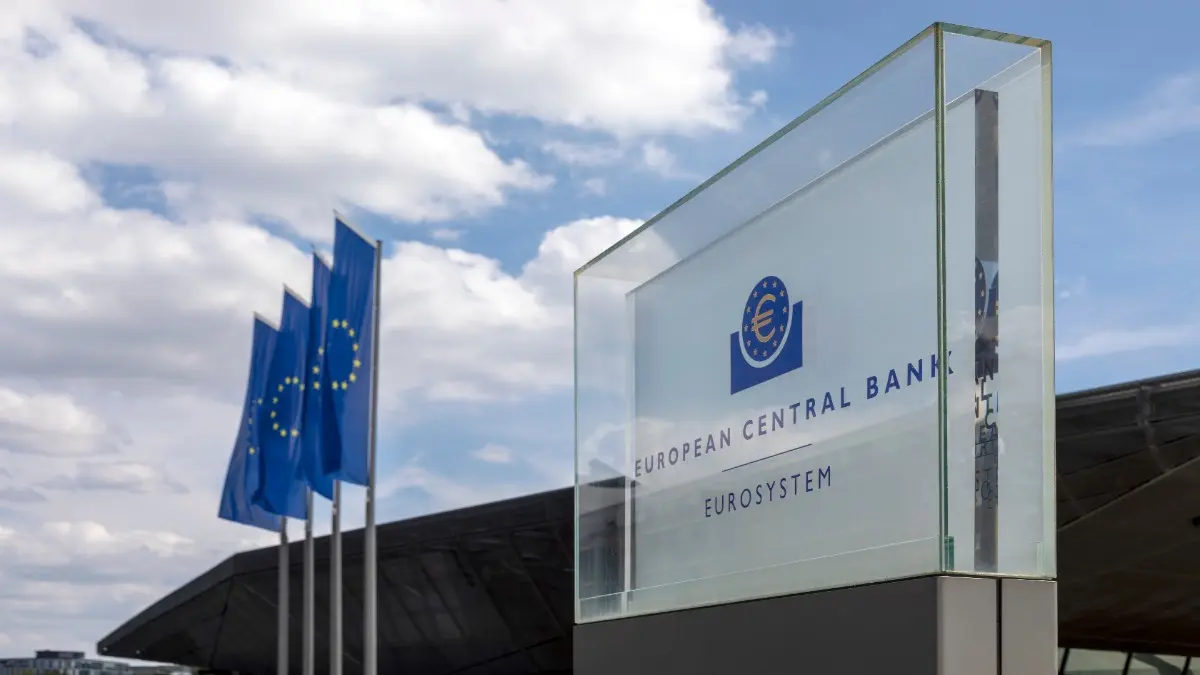
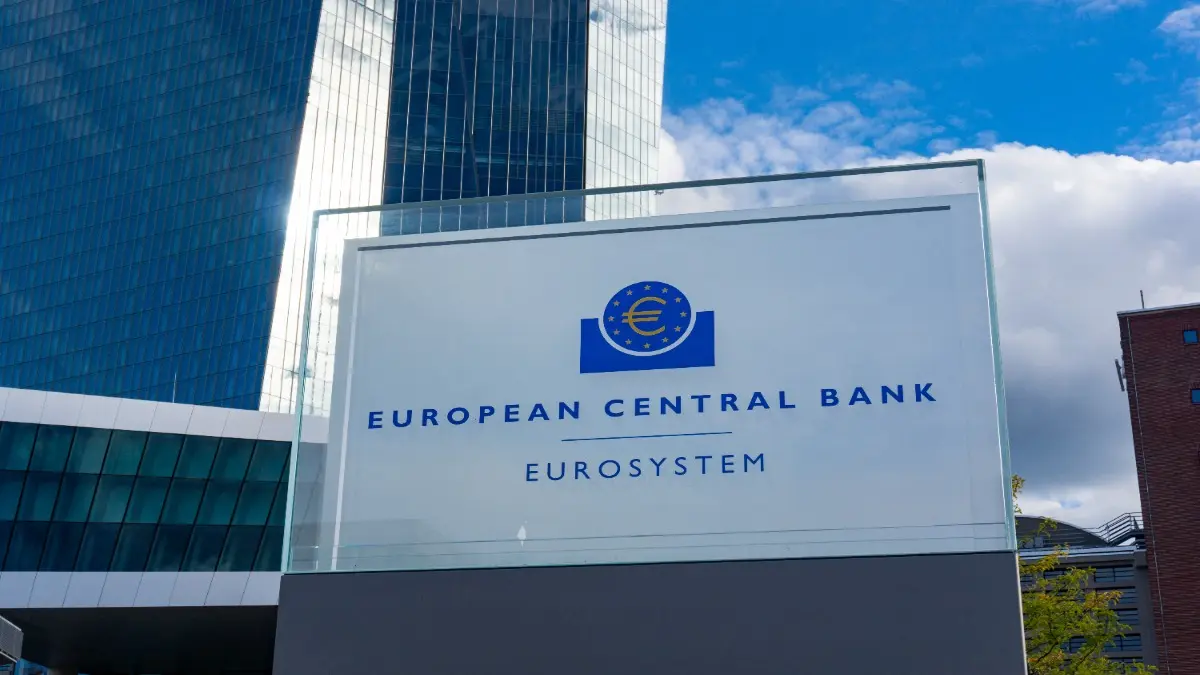
The digital euro is a proposed central bank digital currency issued by the European Central Bank (ECB), designed to provide a public form of digital money alongside cash and commercial bank deposits.
Advocates argue it would offer greater resilience, privacy protections and financial inclusion, while reducing dependence on private payment networks.
The academics stressed the digital euro must be usable both online and offline, available to all European residents, including those without bank accounts, and supported by holding limits high enough to make it a credible store of value.
“If a large part of European companies is excluded or allowed to refuse it, or if holding limits remain so low that citizens cannot use it as a serious store of value, then the digital euro will fail to realise its potential,” the letter read.
Is sovereignty more important than ever?
The intervention comes as the digital euro becomes increasingly tied to broader debates around European sovereignty.
Payment Expert heard those concerns first-hand at MoneyLive Europe in November 2025, where Alexandre Stervinou, Director of Cash and Retail Payments Policy and Oversight at Banque de France, outlined three trends changing the European payments landscape.
Stervinou pointed to declining cash usage, ongoing fragmentation across Europe’s payments market and the continued dominance of US-based providers such as Visa, Mastercard and PayPal.
“Do we want true independence in European payments?” he asked the audience, before suggesting central banks see the digital euro as part of the answer.
Recent actions from US President Donald Trump have placed greater emphasis on this argument and led to unease in Europe, particularly his threats involving Greenland, a Danish territory, which have raised questions about the reliability of alliances.
While the academics did not reference Trump directly, their warning about geopolitical leverage reflects a growing view in Europe that reliance on foreign-controlled payment systems carries political as well as economic risk.
“We may not get a second chance,” the academics wrote.
Where the digital euro stands
Legislation governing the digital euro is expected to be put to a vote in the European Parliament in the first half of 2026.
If approved by a majority of MEPs, the vote would accelerate the ECB’s roadmap, with issuance currently targeted for around 2029. However, support remains divided.
Liberal and centre-left groups have largely backed the project, aligning with the ECB’s view that a digital euro would strengthen monetary sovereignty and reduce reliance on non-EU payment providers.
Throughout 2025, ECB President Christine Lagarde and Executive Board member Piero Cipollone stepped up efforts to build support, holding meetings with finance ministers and repeatedly highlighting the project’s strategic importance.
Opposition remains strong in parts of Parliament, with some MEPs questioning whether there is sufficient demand from consumers, while others argue the digital euro risks duplicating services already provided by private payment solutions.
Banks have also raised concerns, warning a public digital currency could undermine recently launched European payment initiatives such as Wero.
Additionally, critics have voiced fears over privacy and government control, though the ECB has rejected those claims, insisting the digital euro would not enable surveillance and would be designed with strong privacy protections.
Given there is still split opinion on the project, officials have acknowledged the vote could go “down to the wire.”