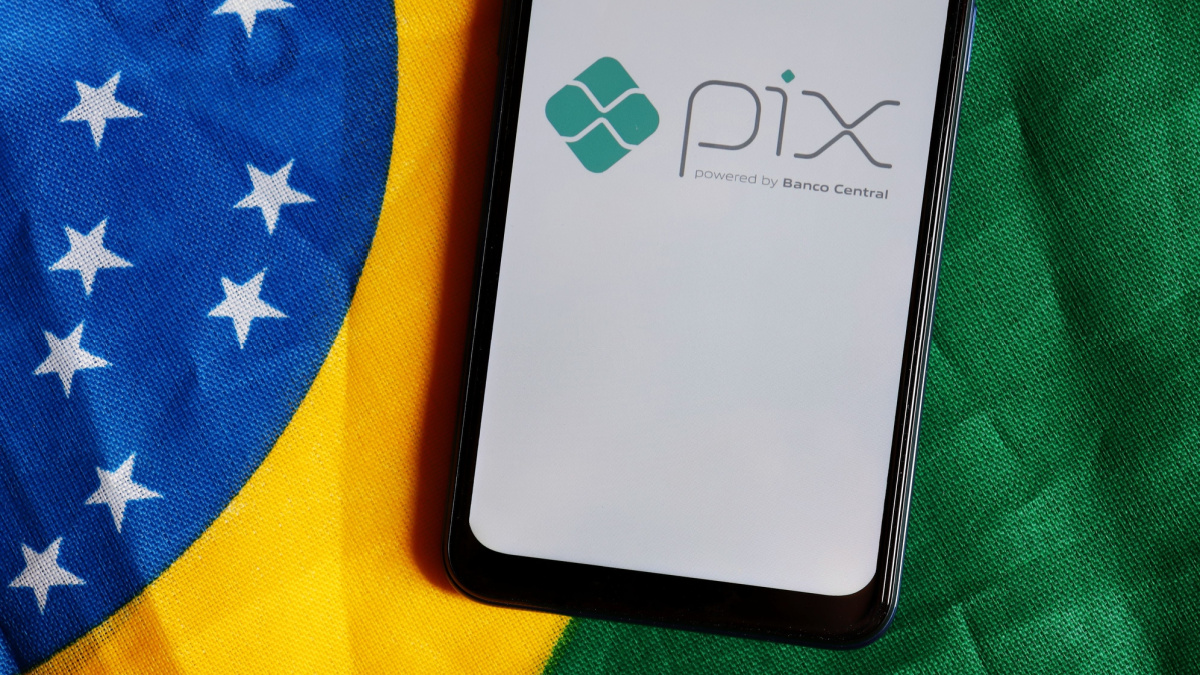
Real-time payments have transformed domestic money movement, but making cross-border payments just as fast depends on connecting systems, standards and regulation across markets.
The world has never been more connected and expectations on speed and convenience have never been higher. Payments are no exception, with consumers and businesses expecting money to move instantaneously.
Systems such as Pix in Brazil and Unified Payments Interface (UPI) in India have proven it is possible domestically, so the question of why this can’t be replicated globally is being asked.
What are real-time cross-border payments?
Real-time cross-border payments are international transfers where funds move between the sender and recipient within seconds or minutes.

Unlike a domestic transaction, which can often travel through one payment system and one regulatory framework, an international payment may involve foreign exchange, correspondent banks, different settlement systems, sanctions screening, local data rules and separate requirements for fraud and disputes.
Daniel Ruhman, CEO and Co-founder of Cumbuca, told Payment Expert that domestic systems have already changed what users expect.
“Real-time payments are changing expectations around how quickly and easily money should move, and that is increasingly extending to global commerce,” he said.
“Pix has already shown what this can look like in Brazil: instant, always available and built into the way people and businesses transact. The next step is bringing more of that experience across borders.”
Brazil’s central bank processes hundreds of millions of Pix transactions and India’s UPI recorded more than 24.5 billion transactions in August 2026 alone.
Both systems have also started targeting foreign markets, with UPI, for example, supporting payments at selected overseas merchants through international QR acceptance.
How instant payments are changing international commerce
Receiving money sooner as a business can improve cash flow, reduce uncertainty around incoming funds and make it easier to manage suppliers operating across several markets.
Merchants can also gain greater certainty over whether a payment has completed, while payment providers can design and launch products that operate outside traditional banking hours.
“For businesses, the opportunity is to make international payments feel much closer to domestic ones,” Ruhman said.
“The moment a payment crosses a border, though, different systems, rules around fraud and disputes, data requirements and regulatory frameworks come into play. That is where much of the friction still sits.”
The G20 has set a target for 75% of cross-border retail payments to make funds available to recipients within one hour by the end of 2027. However, the Financial Stability Board (FSB) acknowledged in its 2025 progress report that improvements had yet to translate into benefits for end users.
Connecting existing instant rails is one potential answer, an idea that the Bank for International Settlements (BIS) developed Project Nexus around.
It’s a concept that avoids every country building bilateral connections with every other payment system, providing a standardised model through which domestic instant-payment systems can connect once and gain access to others.
The BIS says such links could allow many international payments to reach recipients within 60 seconds.
BRICS put forward the idea of launching a common currency in the past, but is also looking at connecting existing systems as the way forward, according to Sanjay Malhotra, Governor of the Reserve Bank of India.
However, India has repeatedly brought up Central Bank Digital Currencies (CBDC) as another potential solution, but not every country is at the same stage in developing a CBDC, and some markets like the US oppose them.
What is needed to make cross-border payments instant?
Linking payment systems around the world looks simple, but payments wouldn’t automatically become instant because the technical challenge is the first hurdle.
Payment systems need to exchange compatible data, foreign exchange has to be available, financial-crime checks need to take place and institutions must know who carries responsibility when something goes wrong.
“The technology to move money in real time already exists,” Ruhman said. “The question is how effectively different markets can connect their systems. Open standards matter here because proprietary infrastructure does not have to mean proprietary protocols.”
The FSB’s cross-border payments roadmap focuses on three areas: interoperability between payment systems, greater alignment between legal and regulatory frameworks and better cross-border data exchange and messaging standards.
Standards such as ISO 20022 can help payment systems exchange richer and more consistent information, but technical alignment wouldn’t remove differences in sanctions rules, fraud liability, licensing requirements or privacy law.
“As those connections develop, cross-border payments should become faster and more efficient, with less friction when businesses move money between markets,” Ruhman said.
“We are still in early days, but I think we are moving towards a more connected global financial ecosystem and, potentially, greater international cooperation in financial services.”