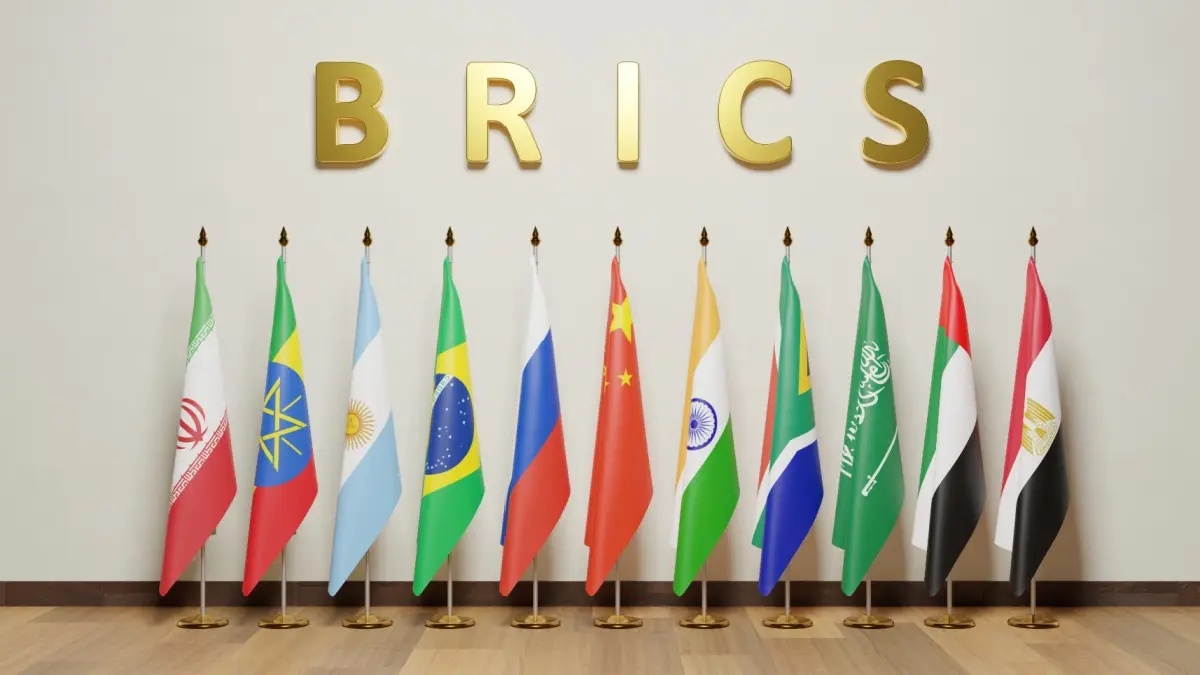
BRICS appears to be moving away from the idea of a shared currency and towards linking its domestic instant-payment networks.
Speaking at an event in Mumbai on 11 August, Sanjay Malhotra, Governor of the Reserve Bank of India (RBI), confirmed that discussions are taking place around several options to improve cross-border payments, although he stressed that nothing has been finalised.
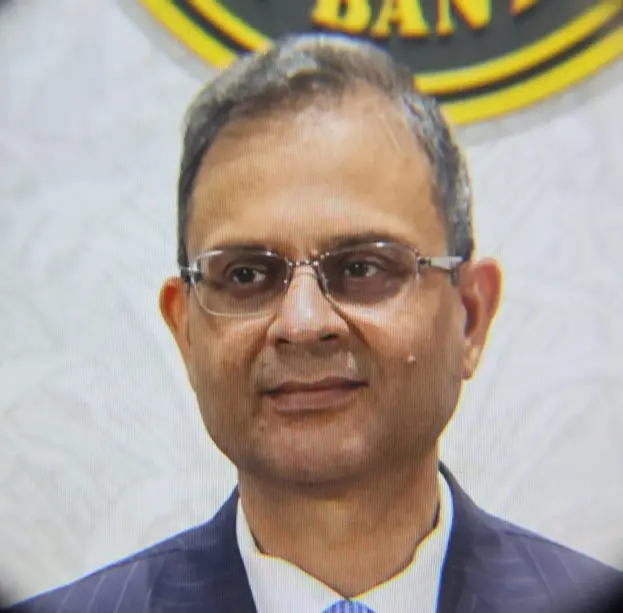
“Cross-border payments are an area of interest for all of us, including the BRICS, because we feel there is a lot of scope for reducing cost,” said Malhotra at the event.
“Various options are on the table, but it is still at the discussion stage, including Central Bank Digital Currencies (CBDCs) and linkages of fast payment systems.”
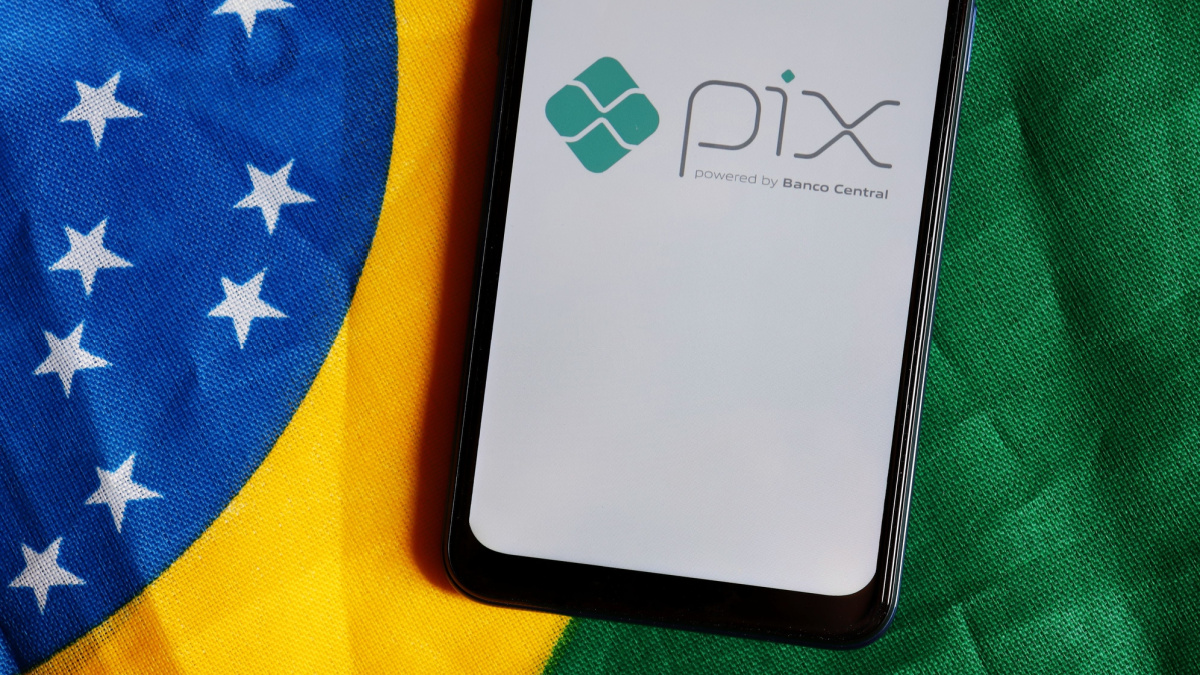
The BRICS countries are home to some of the world’s largest and most widely used instant-payment systems, particularly India’s Unified Payments Interface (UPI) and Brazil’s Pix.
While both have improved domestic payments, they shine in different aspects. Pix has become embedded in everyday commerce in Brazil, with the system used by the vast majority of the adult population.
UPI, meanwhile, has become one of the world’s largest payment systems by transaction volume, processing billions of transactions each month across everything from peer-to-peer transfers to retail purchases.
CBDCs are still an option
The latest talks are part of an effort by BRICS to reduce the cost and complexity of moving money between member states, a topic that has been ongoing for several years with no clear strategy yet.
In January 2026, the RBI proposed connecting the CBDCs of BRICS countries, with India hoping the idea would be included on the agenda for the 2026 Summit.
This followed a much more ambitious proposal at the 2023 BRICS Summit, when Brazilian President Luiz Inácio Lula da Silva suggested the idea of a common currency for the bloc.
The common-currency idea failed to gain any real traction, with India and other countries downplaying the prospect.
Connecting existing payment infrastructure is a much more realistic proposition, as it would allow countries to retain their own currencies and domestic systems while making cross-border transactions easier and preserving the sovereignty of their currencies.
CBDCs are also at different stages of development across the bloc and not every nation is entirely convinced by the technology. China has made progress with the digital yuan, while India has been running trials of the digital rupee. South Africa has taken a more cautious approach, with its central bank still exploring whether a CBDC would offer meaningful benefits.
Additionally, interoperability would be a significant challenge because countries have different regulatory frameworks, payment infrastructure and approaches to privacy and data.
What could BRICS fast payments look like?
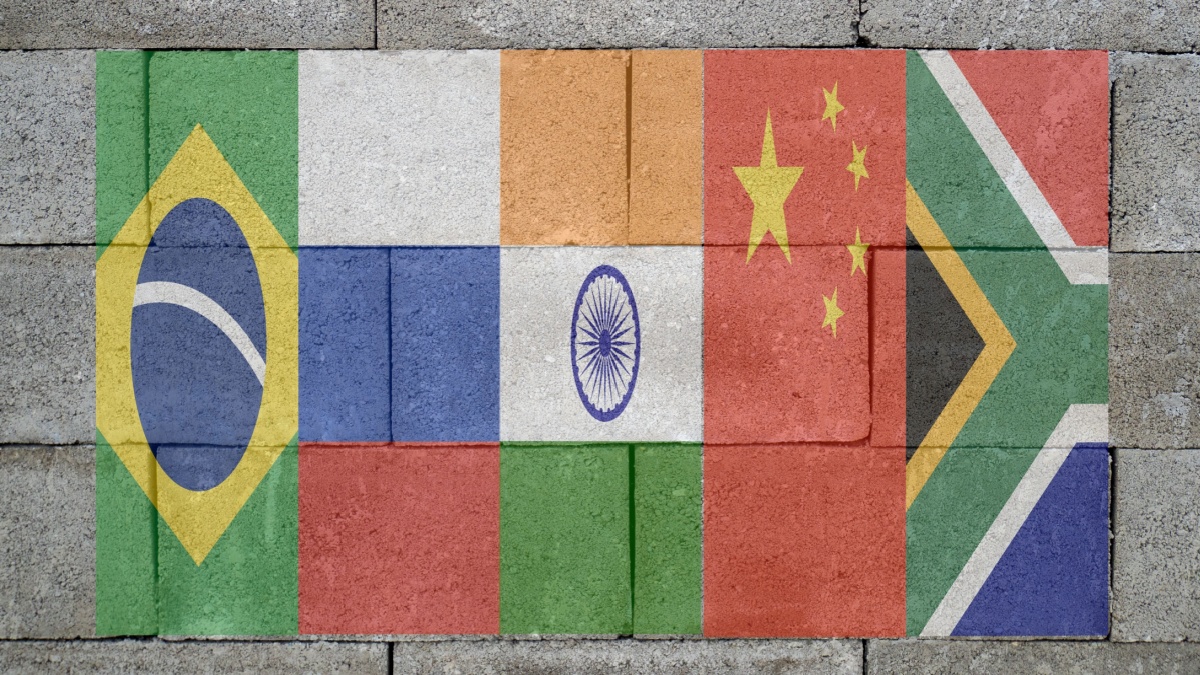
BRICS has expanded considerably since it was originally formed, with Egypt, Ethiopia, Iran, the UAE and Indonesia joining the original five. However, for the purposes of looking at the payment infrastructure that could potentially be connected, we are focusing on the original BRICS members, which are Brazil, Russia, India, China and South Africa.
As mentioned above, India has one of the world’s best-known instant payment systems in UPI, which allows users to transfer money between bank accounts instantly and around the clock.
Brazil’s Pix has similarly revolutionised domestic payments, allowing money to be transferred between accounts within seconds. Its transactions settle through the Central Bank of Brazil’s Instant Payment System and have helped reduce dependence on cash.
Russia operates the Faster Payments System (SBP), which enables 24/7 interbank transfers using mobile phone numbers and also supports QR-code payments.
South Africa’s PayShap launched in 2023 as an instant retail payment system, allowing users to make and receive payments in real time across participating banks. However, it’s still working to really embed into everyday commerce.
As Absa‘s Keenan Mayet told Payment Expert earlier this year, PayShap has shown demand for instant payments, but its “next chapter is merchant payments”.
China is somewhat different because its payment infrastructure includes the Interbank Payment System (IBPS), which supports real-time bank transfers, though consumer payments are dominated by services such as Alipay and WeChat Pay.
If BRICS does pursue linking these systems, there are still plenty of challenges to overcome.
Different regulations and technical systems, as well as FX and data-sharing requirements, will have to be ironed out, but compared with the idea of a shared BRICS currency, it looks more realistic.