The US government has launched a formal trade probe into Brazil’s instant payment system Pix, citing unfair treatment of American firms. But as tensions rise over tariffs, regulation, and digital sovereignty, the dispute reveals far more than just a payments turf war
On July 15, the Office of the US Trade Representative (USTR) announced a Section 301 investigation into Brazil’s trade practices.
The formal press release stated Washington was evaluating “acts, policies, and practices … related to digital trade and electronic payment services” that may “burden or restrict U.S. commerce”.
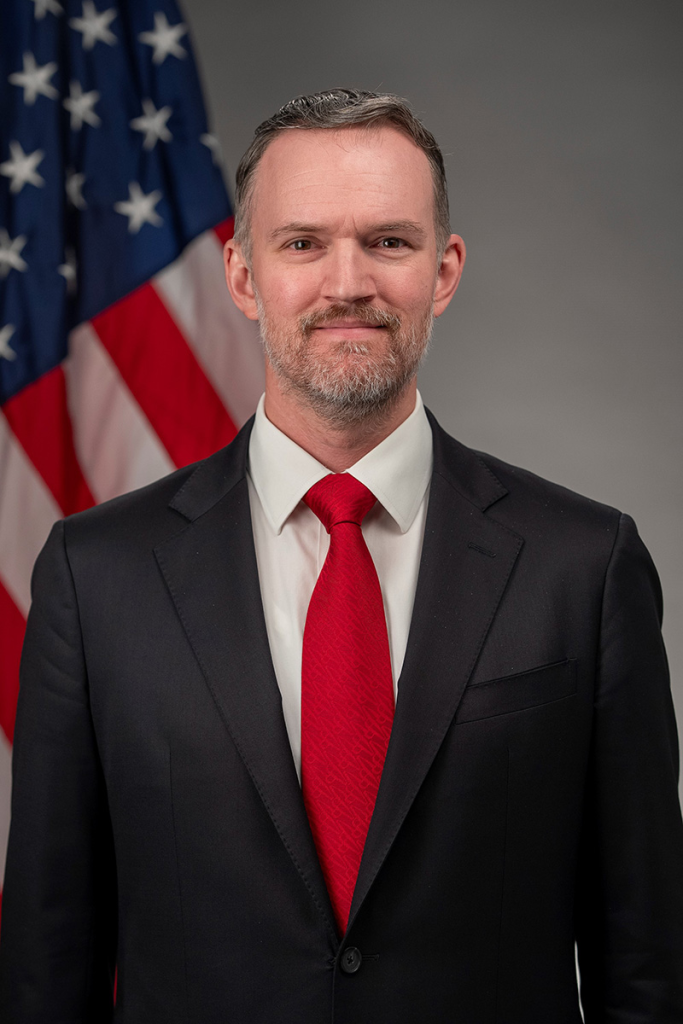
Ambassador Jamieson Greer explained this was “At President Trump’s direction… into Brazil’s attacks on American social media companies as well as other unfair trading practices”.
But what does this have to do with payments?
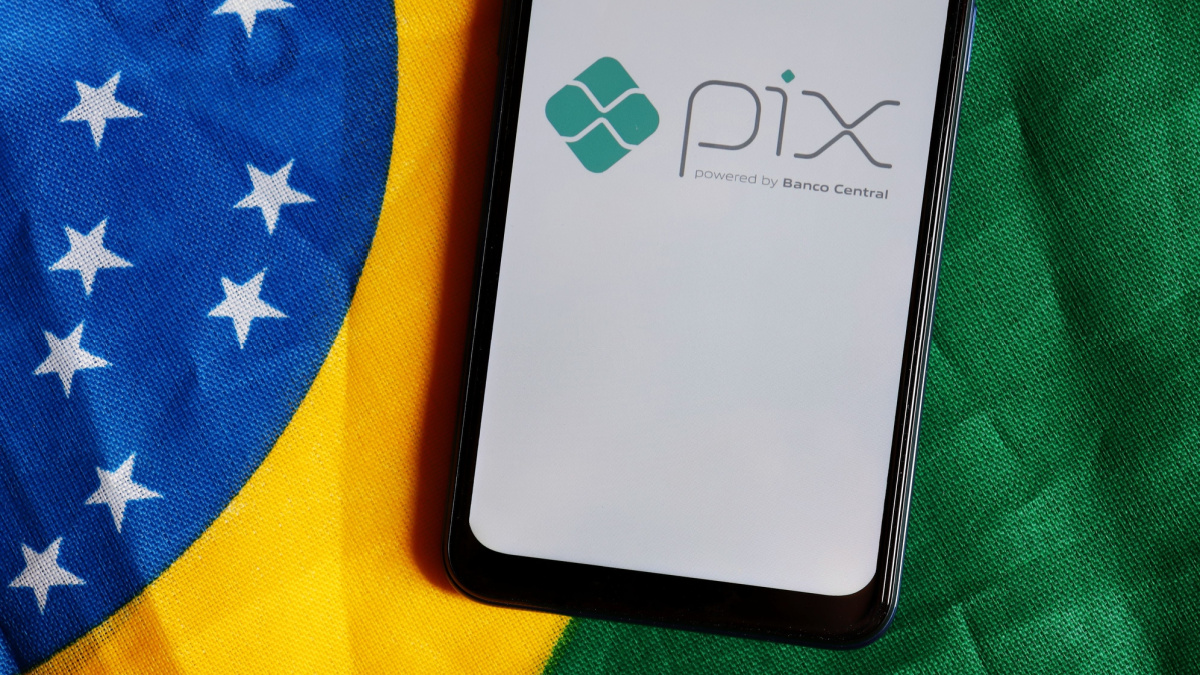
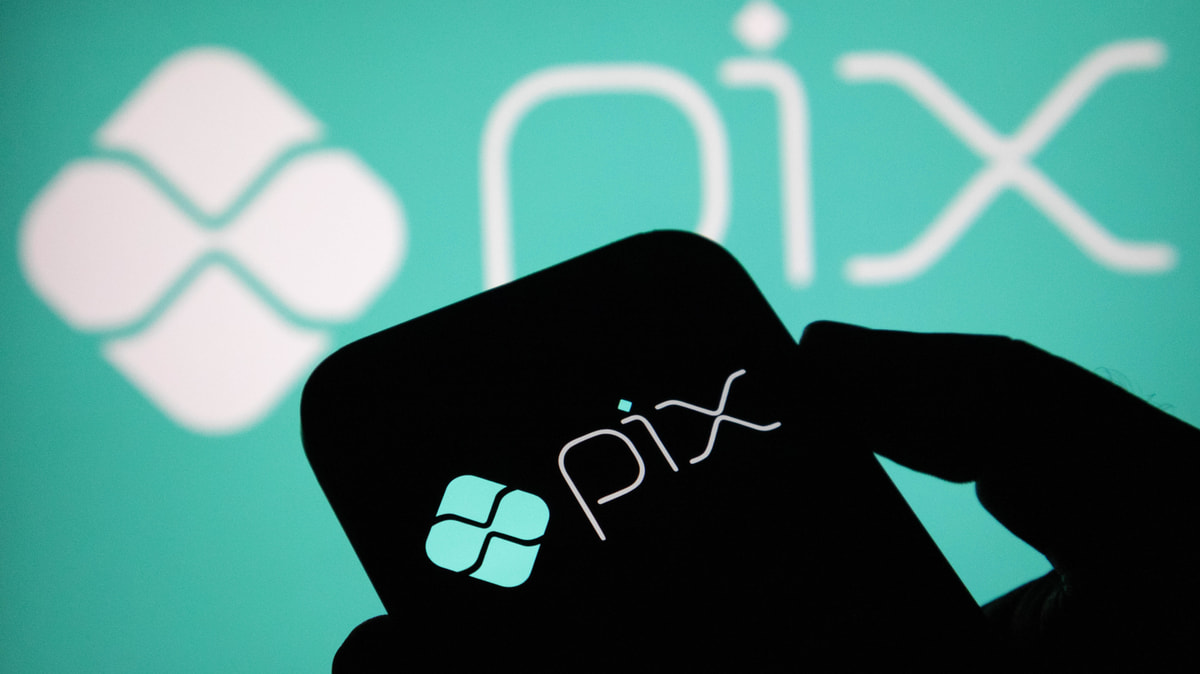
Pix – a publicly owned instant payment platform launched by the Banco Central do Brasil (BCB) in November 2020 – is named in USTR as potentially disadvantageous to foreign digital firms. Reuters confirms the probe specifically cites Brazil’s digital payment system as possibly discriminatory toward US companies.
Why Pix matters
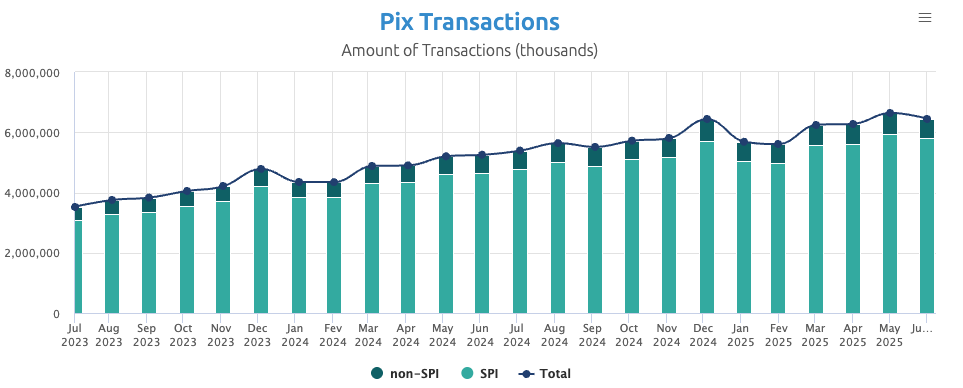
As of early 2025, Pix has become deeply embedded in the financial lives of Brazilians. Launched just five years earlier by the BCB, the instant payment system is now used by around 160 million people (roughly 76% of the country’s population) and accounts for nearly half of all domestic transactions by volume.
Its appeal lies in a powerful combination of speed, simplicity, and savings. Payments are processed in real time, with no fees for consumers and only minimal costs for merchants, averaging just 0.22% per transaction. That’s significantly lower than the typical fees charged by debit and credit card providers, which can exceed 1% and 2% respectively.
But Pix’s greatest achievement may be in financial inclusion. According to the BCB, the system has brought more than 70 million previously unbanked Brazilians into the formal financial ecosystem; from rural Amazon communities to urban peripheries.
The International Monetary Fund has praised Pix as a model of success, recognising how its rapid adoption has reshaped access to payments and financial services across Latin America’s largest economy.
Public infrastructure vs private reforms
Pix’s meteoric rise has also unsettled some of the world’s largest payment companies.
For US card giants like Visa, Mastercard and American Express, Brazil has become a more challenging market as Pix steadily eats into their transaction volumes. In fact, Roberto Campos Neto, then former head of Brazil’s central bank, went as far as to suggest that Pix could render credit cards obsolete; a stark warning from the very institution that launched the system.
This dual role of the BCB, as both regulator and operator of Pix, has raised eyebrows abroad. According to the Financial Times, Marcelo Tangioni, president of Mastercard Brazil, openly criticised the structure, arguing that it creates an inherent conflict of interest: the regulator is also a market participant, competing directly with the private sector it oversees.
Meta, too, has reason to be wary. Its digital payments feature for WhatsApp, a platform used widely across Brazil, was initially launched in June 2020, just months before Pix’s rollout. But within a week, the service was effectively blocked by the central bank on the grounds of competition and data privacy. It only returned to the market in mid-2021, by which time Pix had already gained a dominant foothold.
Geopolitics enters the frame
The probe into Pix doesn’t exist in a vacuum. It forms part of a wider Trump-era trade offensive aimed at reasserting US leverage across multiple fronts.
In the weeks leading up to the investigation, the administration floated the possibility of imposing 50% tariffs on Brazilian exports, a threat that coincided with political demands for Brazil to halt its legal proceedings against former president Jair Bolsonaro, a close ally of Donald Trump.
The scope of Washington’s grievances extends far beyond payments. In its official statement, the US referenced Brazilian policies across a broad spectrum – from digital trade and financial services to ethanol tariffs, intellectual property protections, and even Amazon deforestation.
This multipronged list suggests that Pix, while a flashpoint, may also be a strategic lever in a larger effort to influence Brazil’s economic and environmental posture.
Brazil pushes back
President Luiz Inácio Lula da Silva issued an unambiguous statement in defence of the platform.
“Pix is Brazil’s. We will not accept attacks on Pix, which is the patrimony of our people”, he declared, positioning the payment system as a symbol of national identity and innovation.
The government swiftly launched a social media campaign under the slogan “PIXéNosso, My Friend” – a colloquial, populist jab at what it characterised as US jealousy over a homegrown success story.
The messaging framed the investigation not as a trade dispute, but as a geopolitical slight, with Brazil cast as a digital innovator under siege from global incumbents clinging to outdated models.
Yet the situation remains far from resolved. The US Trade Representative has announced a September 3, 2025 with stakeholder comments invited until August 18. Depending on the findings, the US could pursue new tariffs or press for structural changes to Brazil’s payments architecture, including potentially forcing Pix to be spun out from central bank control.
For Brazil, such a demand would strike at the heart of how Pix is governed, and by extension, challenge the model of publicly owned, regulator-led infrastructure that many countries are now considering.