Paytm’s licence revocation risks fueling India’s UPI duopoly, with any hit to its user base likely strengthening PhonePe and Google Pay.
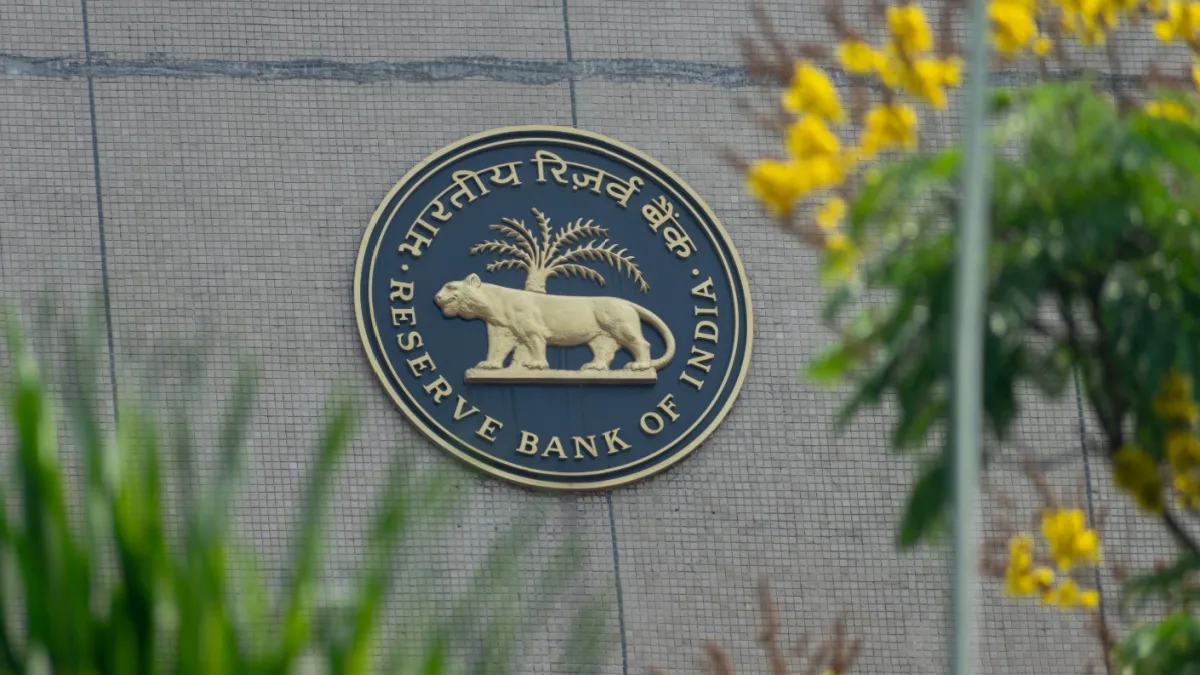
The Reserve Bank of India (RBI) has revoked the banking licence of Paytm Payments Bank, resulting in the bank ceasing all operations with immediate effect.
The RBI announced the decision on 24 April, stating the bank is no longer allowed to carry out any banking operations. The licence was revoked under the Banking Regulation Act, with the regulator also set to apply to the High Court to wind up the institution.
The decision follows a series of regulatory findings, with the RBI noting the bank’s affairs were conducted in a manner “detrimental to the interest of the bank and its depositors”, while also raising concerns around management practices and broader public interest.
“No useful purpose or public interest would be served by allowing the bank to continue,” said the RBI in a statement.
According to the regulator, Paytm Payments Bank failed to meet several conditions linked to its licence, including compliance requirements under multiple provisions of the Banking Regulation Act.
A long time coming for Paytm?
This isn’t the first time Paytm Payments Bank has faced regulatory action, with the RBI highlighting repeated compliance failures as a motivating factor behind its final decision.

In 2022, the RBI ordered the bank to halt the onboarding of new customers. This was followed by further restrictions in 2024, which prevented additional deposits, credits and top-ups across customer accounts, prepaid instruments and wallets.
At the time, RBI Deputy Governor Swaminathan Janakiraman stated: “This is supervisory action for persistent non-compliance. Such action is invariably preceded by months and sometimes years of bilateral engagement, where we point out the deficiencies but also give time to take corrective action.”
Reports in 2024 also suggested the regulator was already considering revoking the bank’s licence.
What’s the immediate impact?
Fortunately for customers, both the RBI and Paytm Payments Bank have stressed customer funds are secure.
“Your money is safe. All balances held in your Savings Account, Current Account and prepaid instruments, Wallet, FASTags, NCMC cards, and other deposit instruments with PPBL are fully secure. We will communicate further steps in time,” the bank said in a statement.
The RBI also confirmed the bank has sufficient liquidity to repay its entire deposit base as part of the winding-up process.
Paytm’s share price fell by around 8% following the announcement, while the company must now rely on partner banks to continue offering financial services previously supported by its payments bank infrastructure.
While users in India will still be able to access the Paytm app for everyday payments and Unified Payments Interface (UPI) transactions, the loss of its banking arm removes a layer of control over its ecosystem.
A concern for India’s UPI?
Looking past Paytm itself, the decision leads to questions about competition in India’s digital payments ecosystem.
In October 2025, the India Fintech Foundation (IFF) wrote to the Finance Ministry, warning that two third-party apps account for more than 80% of UPI transactions. According to Trade Brains data from September 2025, PhonePe held a 45.6% share, followed by Google Pay at 34.8%.
Paytm, while significantly smaller at 7.1%, has been one of the few credible challengers to this dominance, sitting ahead of Navi at 2.7%.
The IFF argued this concentration creates “systemic risks” that could limit innovation and reduce competition over time, calling for intervention to support smaller fintech players.
While Paytm’s UPI services are not directly impacted by the loss of its banking licence, there is a risk of indirect consequences. Reduced consumer confidence or operational friction could affect usage, potentially strengthening the position of the two dominant players.
In episode five of The Payment Expert Podcast, the team looked at the RBI’s proposal to introduce a deliberate pause into UPI.