Cloud migration, job cuts and consulting costs form part of an 18–42 month overhaul
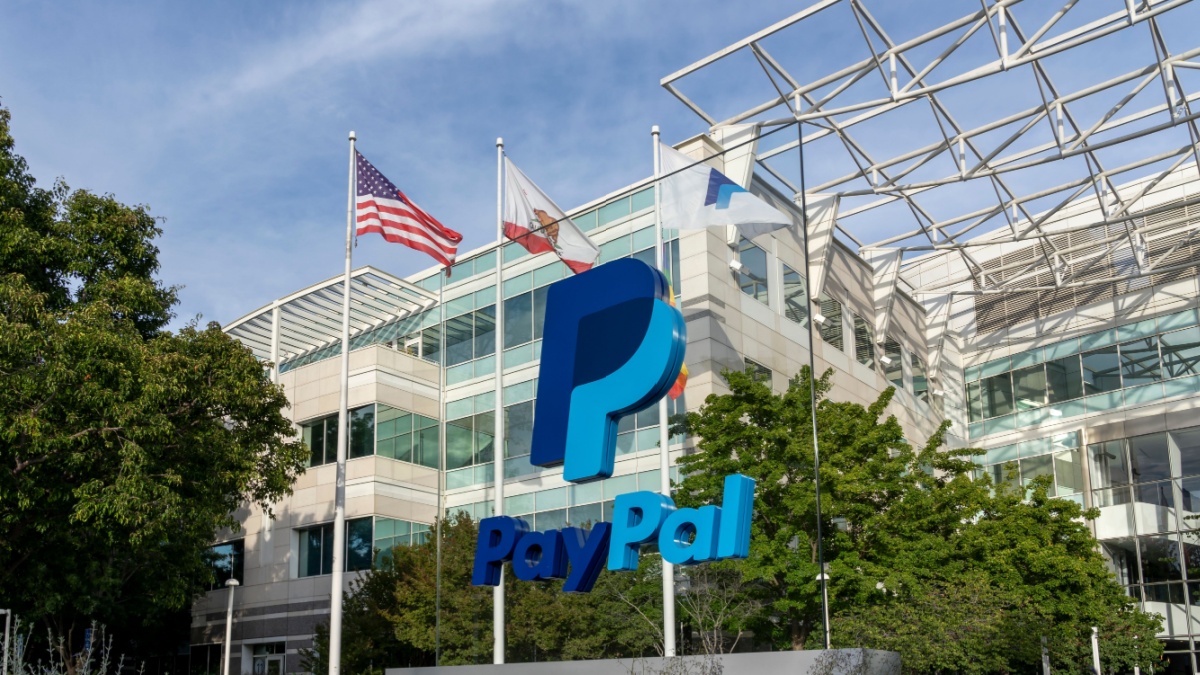
PayPal has committed to a sweeping internal restructuring, known internally as the “Q2 2025 Plan”, in a bid to modernise its technology stack, reduce costs and reconfigure its workforce over the next three years.
But while the $300 million initiative was quietly outlined in its latest financial filings, the company has offered few details on how the plan aligns with its shifting product strategy or impacts staff and operations globally.
The programme includes the closure of company-operated data centres, a full-scale cloud migration, and targeted workforce reductions — a move PayPal says will support scalability, reduce latency and “optimise” its employee base. The full execution is expected to run through 2028, with the bulk of job-related changes due by 2027.
Restructuring charges for Q2 reached $95 million and included severance and employee benefits costs. In total, PayPal anticipates spending:
- $90m–$100m on severance and benefits;
- $40m–$60m on asset impairments and accelerated depreciation; and
- $110m–$140m on “other restructuring costs”, such as contractor fees, cloud migration consulting, and software write-offs with no future economic benefit.
While the company emphasised the long-term efficiency upside of this reengineering effort, it has not confirmed how many roles will be affected, which locations are impacted, or how business units will be reorganised under the plan.
Strategic pivot, or margin play?
The restructuring comes at a time when PayPal is attempting to shift focus away from its struggling unbranded processing arm and towards higher-margin consumer products such as branded checkout, Venmo and PYUSD. CEO Alex Chriss has positioned the company’s branded products and AI initiatives as future growth engines, even as overall payment transaction volumes declined by 5% in Q2.
By contrast, branded transaction volumes rose and now account for 31% of PayPal’s total. Venmo revenue was up 31% year-on-year, boosted by a co-branded debit card push and new sports marketing initiatives. But PayPal’s ability to scale these products while simultaneously downsizing infrastructure and internal teams remains an open question.
There was also no indication of how much of the Q2 2025 Plan is directly linked to the performance of specific business units like Braintree, which has seen growth stagnate at 2%, down from 18% a year earlier.
PayPal’s silent cloud pivot
The cloud migration, a centrepiece of the Q2 2025 Plan, will see PayPal exit unspecified data centre facilities in favour of outsourced solutions. The company has not named its cloud provider(s), nor offered clarity on whether the shift includes proprietary infrastructure tied to risk management, merchant services or wallet integrations.
While such moves are often framed as operational upgrades, they also signal changing internal economics. PayPal noted the restructuring aims to “decrease operational costs,” but declined to quantify expected savings or the return timeline.
Investor filings suggest the decision is at least partly motivated by the need to support newer platforms such as PayPal World and agentic commerce – both of which demand scalable, low-latency technical architecture.
The company’s Q2 filing confirmed the infrastructure portion of the programme will not be completed before 2028. Until then, PayPal will be running hybrid systems — maintaining core payment processing while rebuilding key services on third-party infrastructure.
Execution risk and investor caution
Despite heavy messaging around “profitability and discipline” from management, the plan introduces material execution risk. Consulting-heavy restructuring efforts are often subject to timeline overruns and budget creep, particularly when they involve overlapping changes in workforce, technology and product development.
PayPal’s own disclosure reflects that uncertainty: it cautioned that “the timing of activities and cost estimates continue to be developed and are subject to change.”
At the same time, free cash flow for Q2 fell 42% year-on-year, impacted by working capital and Buy Now, Pay Later receivables timing. While the company reiterated its full-year FCF guidance of $6bn–$7bn, questions remain over whether that outlook fully reflects the scale of near-term restructuring drag.