Speakers at WEMEETING25 argued that cards-as-a-service is moving beyond quick issuing to focus on partnerable APIs, clearer programme governance and use-case-driven wallets
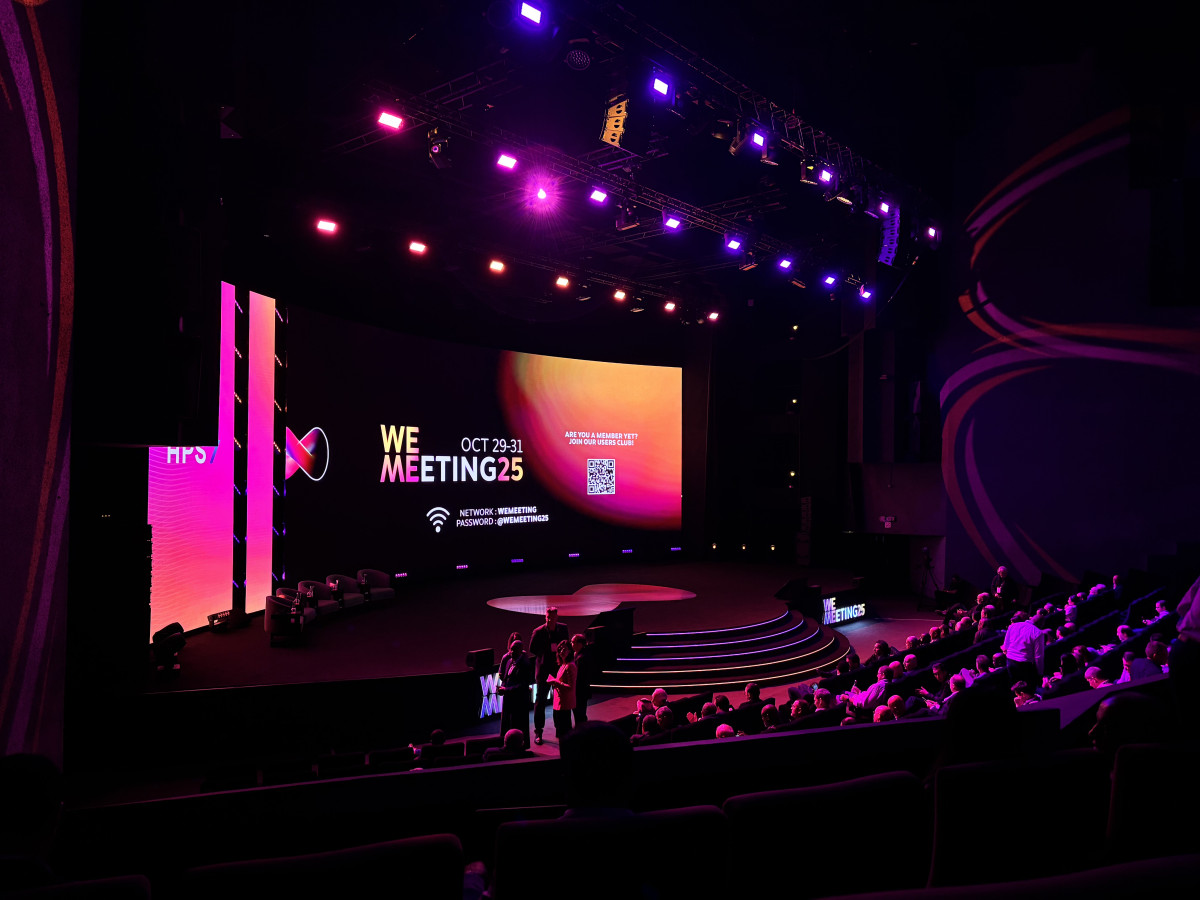
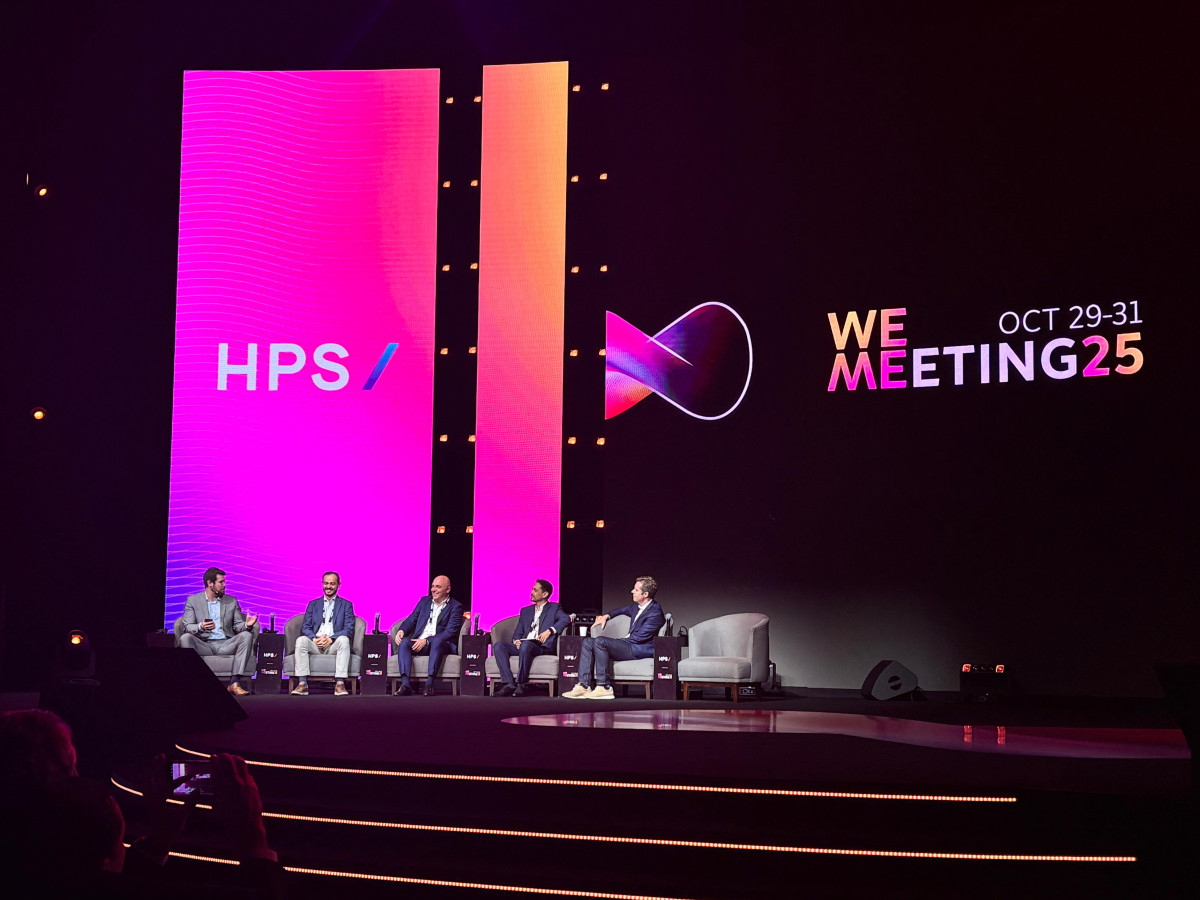
Cards-as-a-service is shaking off its “quick issuing” label and moving into full-stack orchestration, according to a panel of scheme, processor and technology leaders at HPS’ WEMEETING25.
With open APIs, tighter governance and real use-case design, CaaS now underpins embedded finance.
Setting the tone, Nexi Group’s Stefano Ottaviani said banks have been preparing for a very different competitive landscape. “As banks, we are sharpening our knives. We’ve seen the challenges coming,” he told delegates, arguing that success with CaaS depends as much on operating model discipline as it does on technology choices.
Mastercard’s Mark Elliott framed the demand side around wallet experiences and concrete jobs to be done. In Africa in particular, he said, growth comes when products solve specific, high-frequency needs. That means focusing on hooks.As Elliott put it, wallet propositions will win by targeting “use cases, be it remittances, be it kind of access to trading globally,” rather than trying to replicate universal banking breadth in one go.
He linked that to Mastercard’s partner-led approach. The company is building on an “open API infrastructure” and working with local specialists “like Blue Salt in West Africa, or Paymentology,” so fintechs can “focus on why they set up the business” while partners handle the payments heavy lifting.
Speed remains a core selling point, but the panel pushed back on common misconceptions. CaaS should not become another multi-year transformation. As one panellist put it, providers are “trying to offer a card issuance within weeks rather than doing a project for one.” That promise, though, only holds if roles are crystal clear. Several speakers warned that ambiguity in multi-party programmes can derail launches.
One panellist called out the need to be “aware of where the responsibilities lie in some of these tripartite arrangements, and how the invoicing works, and who pays what,” noting that confusion at inception erodes trust just when partnerships need it most.
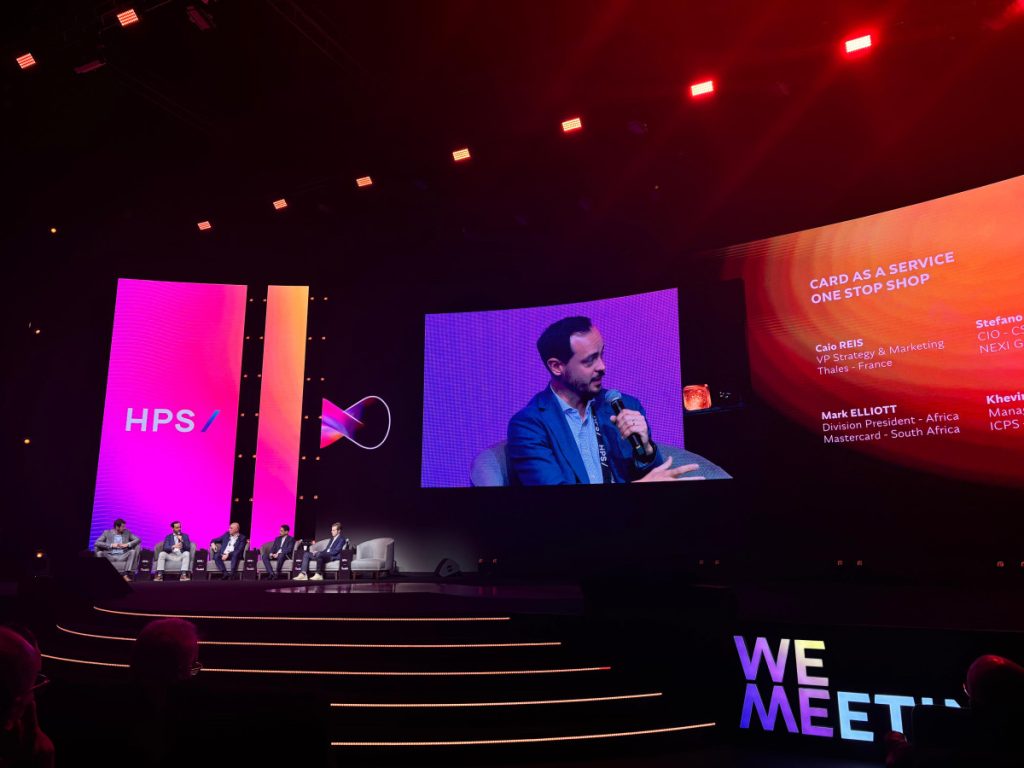
Vendors also stressed that orchestration now spans identity and risk, not just payments plumbing. Thales’ Caio Reis argued that tokenisation must be paired with richer device and identity signals to lift approval rates without adding friction. “It’s a matter of knowing which device you’re using, which [payment] platform, which browser, your personal identification data. And all of that is going to help you to protect the payment transaction and [it] uplifts the transaction optimisation rate,” he said.
That thinking is already shaping virtual-to-physical card journeys, where credentials are provisioned instantly, tokenised and pushed into wallets for use online and at the point of sale.
From the processor side, HPS’ group company ICPS positioned itself as an integrator. Managing Director Khevin Seebah described the aim as bringing partners together on cloud rails so issuers can scale faster across markets. “Our title is the one-stop shop for cloud-as-a-service,” he said, citing demand from banks, fintechs and telcos seeking modular capabilities with enterprise-grade support.
Regulatory reality was another brake on one-size-fits-all promises. Speakers pointed to data-sovereignty rules and local compliance requirements that can complicate cloud delivery and cross-border scaling. The conclusion was CaaS works best when providers adapt to the grain of each market, stitch together specialist partners, and start with narrow, high-value use cases that can be proven and then expanded.
Taken together, the panel’s through-line was that CaaS is becoming the orchestration layer for embedded finance. The model succeeds when it marries three things:
- a partnerable API stack to co-create quickly
- governance that makes responsibilities and economics unambiguous, and
- product design anchored in specific behaviours such as remittances or instant wallet provisioning
The prize is faster time to market and a cleaner path from MVP to multi-country scale. The risk, if those pieces are missing, is another round of expensive pilot theatre.