US Bank becomes the latest institution to launch a BNPL-style product while attempting to keep cards relevant.
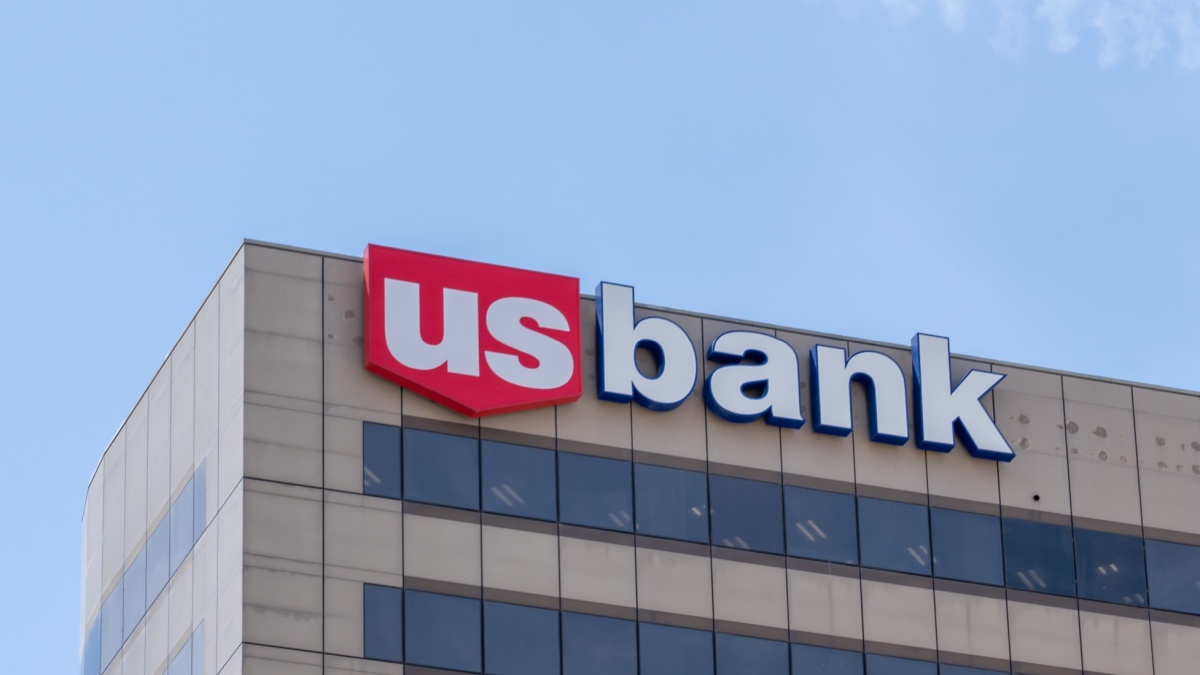
US Bank has partnered with Mastercard to launch a new credit card which allows users to split payments on all purchases, potentially rivalling buy-now pay-later (BNPL) models.
Called the ‘US Bank Split World Mastercard’, the card automatically divides each transaction into equal payments across three months. With a monthly fee, customers can also extend payment plans to six or twelve months for purchases over $100.
The bank has described the product as a “new alternative” to BNPL options and expects it to become a “top choice” for Gen Z consumers, who it believes want the usability and protections of a credit card while maintaining the financial consistency of equal monthly payments.
“Split Card meets the diverse needs of today’s consumers who are seeking easy and transparent ways to fund purchases of all sizes,” said Chris Roncari, Head of Product and Experience for Consumer and Small Business Payments at US Bank.
“Split Card has elements of a typical card but is far from a typical credit card with its budgeting control and interest-free option.”
A first-of-its-kind product?
BNPL has surged in popularity worldwide over the past few years. According to an EMARKETER report, there were 86.5 million US BNPL users in 2024 and predicts this figure will reach 105 million in 2028.
While governments around the world continue to debate how to regulate the sector, BNPL’s growth has already reshaped the payments landscape.
Klarna, a key driver of the BNPL movement, recently launched a debit card and a digital wallet in the UK in an effort to rebuild the trust traditional banks have historically commanded.
The Klarna Card, powered by Visa, lets customers make purchases with debit as the default. Those who want to use credit can apply for a spending plan, which Klarna describes as an option “when credit makes sense.”
American Express has taken a different approach, adding adverts to its debit and credit cards as part of a wider strategy to diversify revenue and highlight the traditional role of cards in driving purchases.
US Bank, meanwhile, appears to be merging the two models. Its new product functions as a traditional credit card while offering BNPL-style flexibility. Although it may be one of the first cards designed specifically for installment-based purchases, other technology firms are already exploring similar ideas.
In July 2025, Samsung Electronics America introduced a new installment payment feature in Samsung Wallet, allowing US consumers to split in-store purchases using their existing credit cards. The feature, powered by Splitit, requires no new account, application, or credit check.
The key differences
Samsung’s model enables consumers to avoid new debt or credit checks while continuing to earn card rewards. Retailers also keep full control of the checkout experience since the process is integrated directly into their own platforms.
Klarna’s product range includes Pay in 4, Pay in 30, and longer-term financing options which require credit checks. Some of these carry interest charges of up to 29.9% APR. Klarna also retains customer data and inserts a third-party interface during checkout, which can limit how much control merchants have over the payment experience.
US Bank’s Split Card charges no APR or annual fee and includes Mastercard World benefits such as built-in travel, entertainment, shopping and protection services.
There is also growing discussion about how these models differ in their handling of customer data. Unlike third-party BNPL providers, bank-issued cards like Split World may give customers and merchants greater privacy and continuity within existing financial systems.