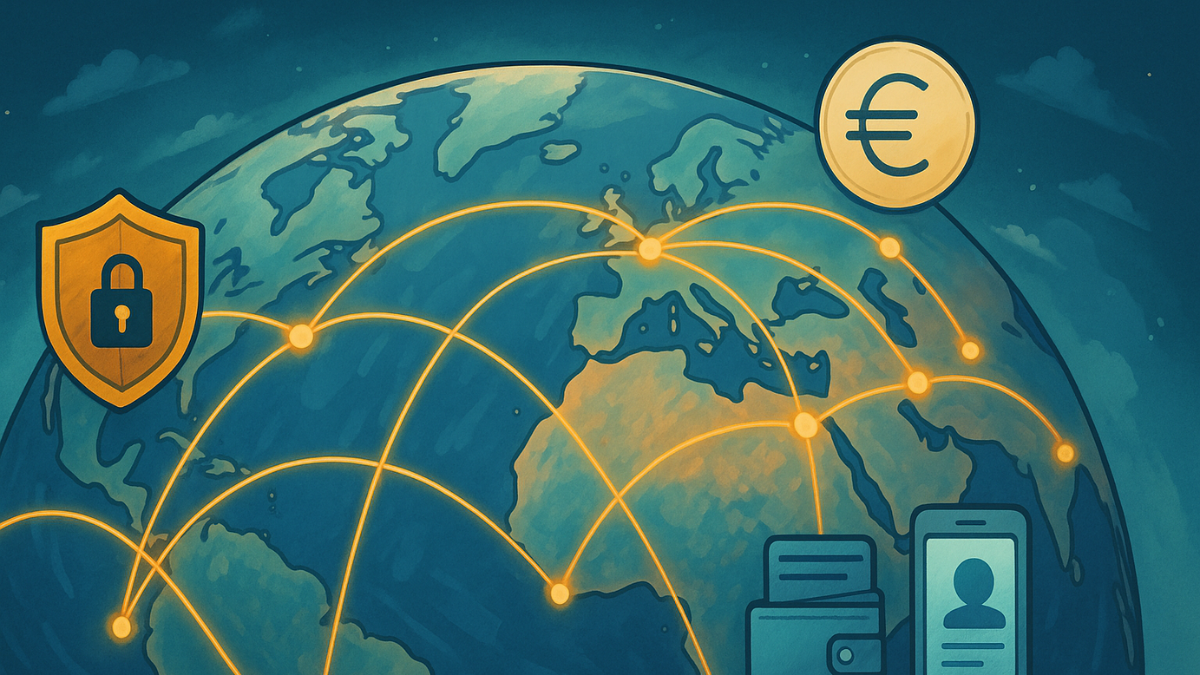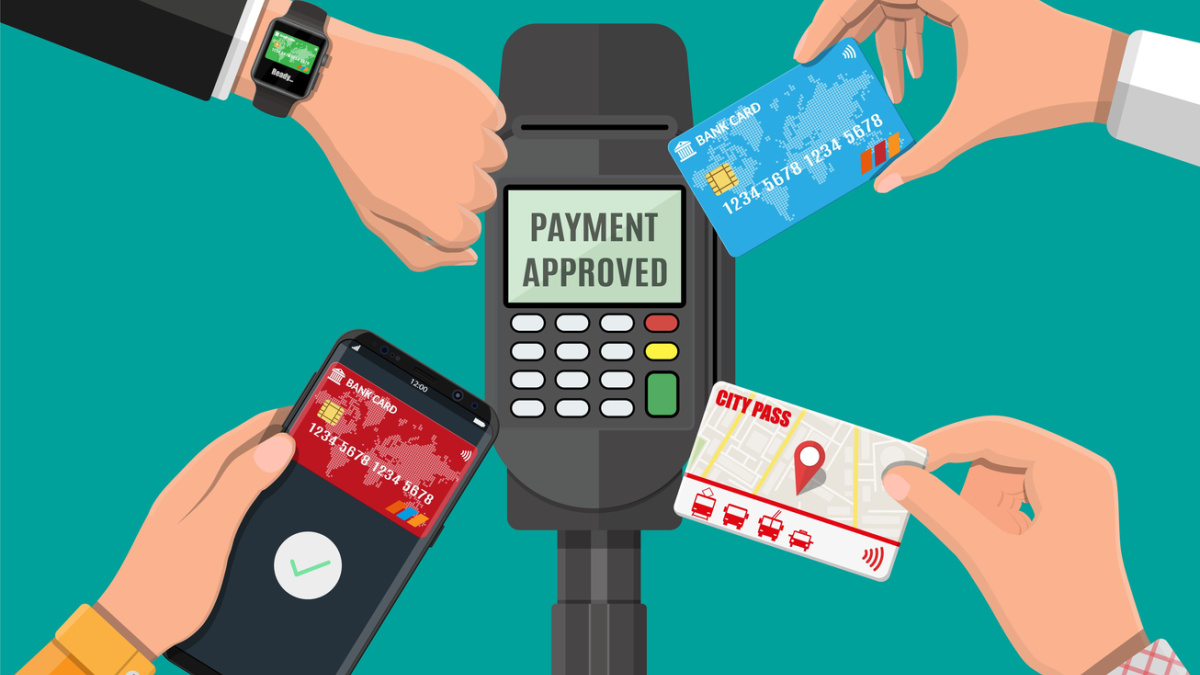
A Saturday night outage froze card payments across Denmark and parts of the Nordics. Nets calls it a “rare” component failure. The fixes now promised speak to a bigger European playbook on resilience, offline acceptance, and crisis comms.
The sound that anchors Nordic retail isn’t the clink of coins anymore but the soft beep of a terminal handshake.
On July 19, 2025 the beep vanished. Queues snaked at the Great Belt Bridge tolls, festivals reported lost sales, and restaurants pivoted to cash or let patrons walk. By late evening, service staggered back, but the questions lingered.
Nets (part of Nexi Group) has now issued its incident report: a “rare component failure” in vendor-managed infrastructure blocked an instant failover to its redundant card platform. This single choke point stretched the outage to roughly three hours on the Saturday evening, with knock-on problems such as erroneous reservations handled afterwards with data centres and banks.
The company says it’s revising workflows and escalation so critical customers get direct, rapid notifications.
Denmark is among Europe’s most digital retail economies – about nine in ten in-store payments are now digital – so the tolerance for downtime is near zero, according to the nation’s central bank, Danmarks Nationalbank.
The offline pivot
Nets’ post-mortem surfaced a practical gap.
An offline acceptance option existed, but mainly for physical co-badged Dankort cards and, crucially, many merchants either didn’t know about it or weren’t set up to use it. Nets now plans to implement a sector-developed offline solution with Danmarks Nationalbank that works for all card types, including those that normally require balance checks and mobile payments.
First stop: supermarkets and pharmacies, designated as critical for access to essentials (e.g. during a hybrid attack).
This direction tracks with the central bank’s own contingency work on offline cards: get more of the retail base able to transact safely when systems (or connectivity) are down, with clear rules on risk and post-event clearing.
A familiar pattern in big outages
Although the triggers differ, Europe has seen variations of the same movie:
- Failover that didn’t fail over (Visa, 2018): A “rare defect” in a data-centre switch meant the backup couldn’t take over, causing millions of failed transactions across the UK and Europe.
- External infrastructure damage (Worldline Italy, Black Friday 2024): Roadworks cut network connectivity to data centres, disrupting services during peak trading. Even when core platforms are healthy, off-platform dependencies can break payments.
- Cyber disruption (Adyen, April 2025): A DDoS attack degraded European services over two days. Not the same as a component failure, but the outcome for merchants and shoppers—declines and delays—looks similar. Resilience now spans capacity, diversity, and active defence.
Seen through that lens, Nets sits in a well-known risk cluster: redundancy that exists on paper but can’t be reached in time. The corrective measures are therefore as important as the fix itself.
Comms, coordination, confidence
Operational resilience is also public-facing. In Denmark, Sund & Bælt (Great Belt Bridge operator) said it would open barriers after 15 minutes of forecast queues during a future outage, and it called for stronger outage communications and offline options for foreign motorists.
This is a smart acknowledgement that the payments layer and national transport are now intertwined, and that clear, timely comms are part of keeping the economy moving. sydnyt.dk
Meanwhile, contemporaneous reporting captured how widely the disruption rippled (beyond Denmark into parts of the Nordics and mainland Europe) before Nets confirmed the issue was resolved later that evening.