As internal White House discussions float lump‑sum payments to every Greenlander, the proposal reveals something unexpected: even territorial ambition depends on rails, KYC and the ability to execute a clean mass payout.
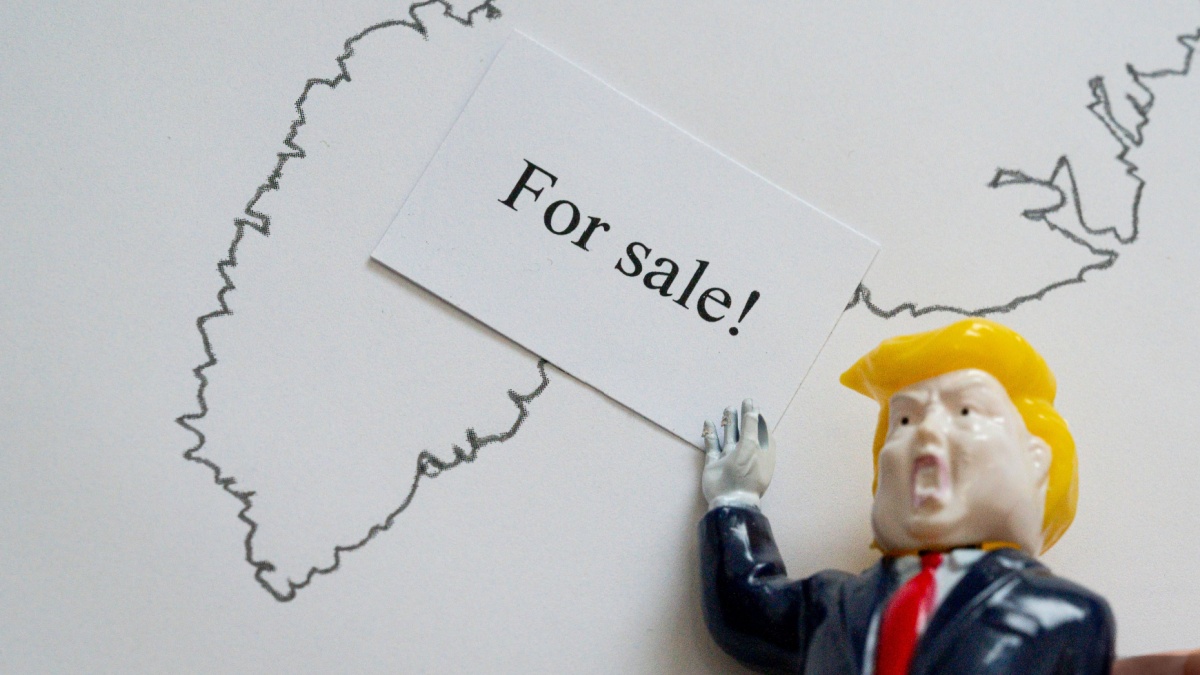
Unless you’ve been living under a rock, you’ll know the US administration has revived its long‑running interest in acquiring Greenland. What fewer people expected was the shift from diplomatic overtures to something that looks suspiciously like a mass‑payout strategy.
According to Reuters, White House aides have discussed lump‑sum payments of $10,000 to $100,000 per Greenlander as part of an effort to convince the island to secede from Denmark. It’s a geopolitical story, yes, but also – unexpectedly – a payments one.
Because once you strip away the headlines, what you’re left with is a very familiar operational question: how on earth do you actually move the money?
When annexation starts to look like a disbursement project
The idea of paying 57,000 people to influence a national decision may sound unprecedented, but the mechanics resemble something payments professionals know well: large‑scale government disbursements. Think stimulus cheques, pandemic relief, or emergency aid. The difference here is only the context – one that involves NATO allies, Arctic geopolitics and a population that has already made clear it is not for sale.
Still, the logistical challenges are the same. A mass payout is a mass payout, whether it’s for economic relief or, apparently, territorial acquisition.
Let’s assume, for a moment, that the plan progressed beyond internal discussions. How would you distribute $10k–$100k per person?
First, identity verification. Greenland’s population is small but spread across remote communities. Ensuring the right individuals receive the funds would require a robust KYC process. Payments professionals will recall that even the US struggled to verify recipients during its own stimulus programmes, with some payments going to deceased individuals due to outdated records. Now imagine applying that challenge to a territory thousands of miles away, with its own administrative systems and a different currency.
Then there’s fraud. Announce that every Greenlander is entitled to up to $100,000 and you instantly create a market for opportunistic impersonation. Payments teams already deal with synthetic identities; this would be synthetic nationalities.
And of course, the rails themselves. Greenland uses the Danish krone. The US would be paying in dollars. Cross‑border transfers at this scale would require coordination with Danish financial institutions (awkward, given Denmark’s repeated insistence that Greenland is not up for negotiation).
If you think onboarding a new merchant is painful, try onboarding an entire island.
The AML/KYC nightmare nobody asked for
From a compliance perspective, the proposal raises every red flag imaginable. Residency verification, anti‑fraud controls, sanctions screening, and monitoring for money‑muling would all be essential. The incentive to game the system would be enormous. Payments professionals spend their lives preventing small‑scale abuse; this would be abuse at geopolitical scale.
And unlike typical government disbursements, this one comes with a political objective attached. That alone would require layers of oversight, auditing and transparency – none of which are simple in remote Arctic communities.
Could a different payments infrastructure solve the problem? In theory, a CBDC could streamline distribution. In practice, no major economy has deployed one at this scale except perhaps China. Tokenised payments sound elegant until you remember many Greenlandic communities have limited digital connectivity. Prepaid cards, used in previous US relief efforts, would face the same issue.
In other words: even the most modern rails struggle when the geography is frozen tundra.
The economics of incentivising a nation
Reuters noted a $100,000‑per‑person payout would total nearly $6 billion. For context, that’s less than many US federal programmes, but still a substantial sum to justify to taxpayers. Payments professionals think in terms of cost‑per‑transaction, fraud rates and reconciliation. Applying those metrics to territorial acquisition is, at best, novel.
If nothing else, it reframes the idea of “customer acquisition cost.”
But stepping back from the specifics and an even broader pattern emerges. Payments – whether in the form of aid, sanctions, incentives or relief – have become central tools of global influence. Governments increasingly use financial infrastructure to shape outcomes. The Greenland discussions simply make that dynamic unusually explicit.
Even if the proposal never leaves the White House meeting room, it’s a reminder payments sit quietly at the heart of global power. Diplomacy may be conducted in press conferences, but influence is often exercised through transfers, incentives and the infrastructure that supports them.