As the CFPB faces major staff cuts and scaled-back oversight, consumers and financial firms are left navigating a period of uncertainty.
A federal appeals court has cleared the way for the Trump administration to continue with planned staff reductions at the Consumer Financial Protection Bureau (CFPB).
The DC Circuit ruled a lower court had overstepped its authority when it temporarily blocked the dismissal of roughly 1,500 CFPB employees earlier this year. While the ruling allows the layoffs to move forward, employees and consumer advocacy groups retain the option to appeal.
US Attorney General Pamela Bondi celebrated the decision on X, writing, “Another victory for President Trump! In a 2-1 ruling, the DC Circuit sided with my @TheJusticeDept attorneys in our effort to dismantle the CFPB and rein in crippling Obama-era regulations. We will continue to pursue the President’s deregulation efforts.”
The case marks a key moment in ongoing debates over the agency’s size, role and regulatory authority under the current administration.
Why heads are set to roll
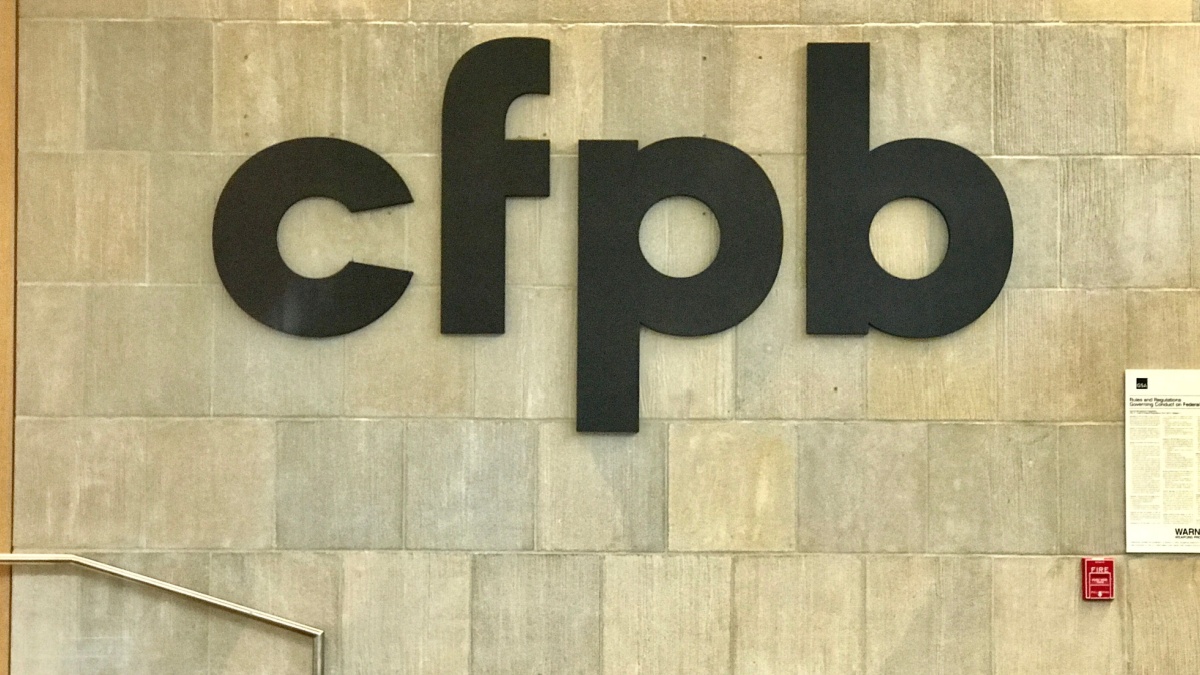
The CFPB is the US federal agency responsible for overseeing consumer finance markets, including mortgages, credit cards and digital payment platforms. Established in 2010, the bureau’s mandate is to protect consumers from unfair, deceptive, or abusive practices and to enforce financial regulations.
Earlier this year, the CFPB became a focal point in broader federal efforts to streamline government operations and cut costs following President Donald Trump’s re-election in January 2025.
As part of this initiative, a new department called DOGE was created to target government “waste” and reduce spending.
In February, Acting CFPB Director Russell Vought ordered the agency to halt nearly all operations and return unspent funds to the Federal Reserve, citing an “excessive” budget.
The move sparked immediate legal challenges, leading a federal judge to issue a temporary restraining order preventing the administration from deleting CFPB data, firing employees without cause, or returning funding to the Fed.
Despite the court order, CFPB leadership announced in April plans to lay off approximately 1,500 of the bureau’s 1,700 staff. Internal communications signaled a significant reduction in supervision and enforcement priorities, with the bureau now focusing primarily on depository institutions while scaling back oversight of nonbank financial services.
Elon Musk, who was closely involved with DOGE’s cost-cutting mission at the time, publicly highlighted the CFPB reductions on X, posting “CFPB RIP” shortly after the operational freeze was announced in February.
Who will this affect?
Trump’s administration has been openly critical of the CFPB, arguing the agency overreached under the Biden administration. Since taking control, it has dropped numerous ongoing cases and significantly scaled back enforcement efforts.
Consumer protection in the US has already seen effects. The CFPB confirmed plans to rescind its 1033 open banking rule, which would have allowed Americans to securely share financial data with third-party providers.
The reduction in oversight mirrors trends in the UK, where the government has streamlined the Financial Conduct Authority (FCA) and planned to close down the Payment Systems Regulator (PSR) to reduce red tape and attract investment.
However, the speed and scale of staff reductions at the CFPB raise serious concerns about consumer protection, especially as banks and fintechs dispute open banking rules.
A consortium of US banks and fintechs has filed a lawsuit claiming the CFPB’s framework exceeds statutory authority, challenging mandatory data sharing rules and arguing that compliance costs are excessive.
Meanwhile, state authorities are stepping in to fill gaps left by the CFPB. Last week, New York Attorney General Letitia James sued Early Warning Services, the operator of Zelle, after scammers stole over $1bn from users between 2017 and 2023.
Supervision in other areas is also being rolled back. On August 8, the CFPB issued four advance notices proposing to lift “larger participant” thresholds across international money transfers, consumer debt collection, consumer reporting and automobile financing.
These changes would concentrate oversight on the largest firms while relying on state regulators and prudential supervisors for mid-tier companies.
For payments professionals and consumers alike, these moves are creating uncertainty. While regulators argue they are focusing resources on the largest players, the resulting gaps leave smaller providers and customers exposed.