New York is moving to reimburse victims of Zelle fraud, despite the payments platform no longer being under CFPB scrutiny.
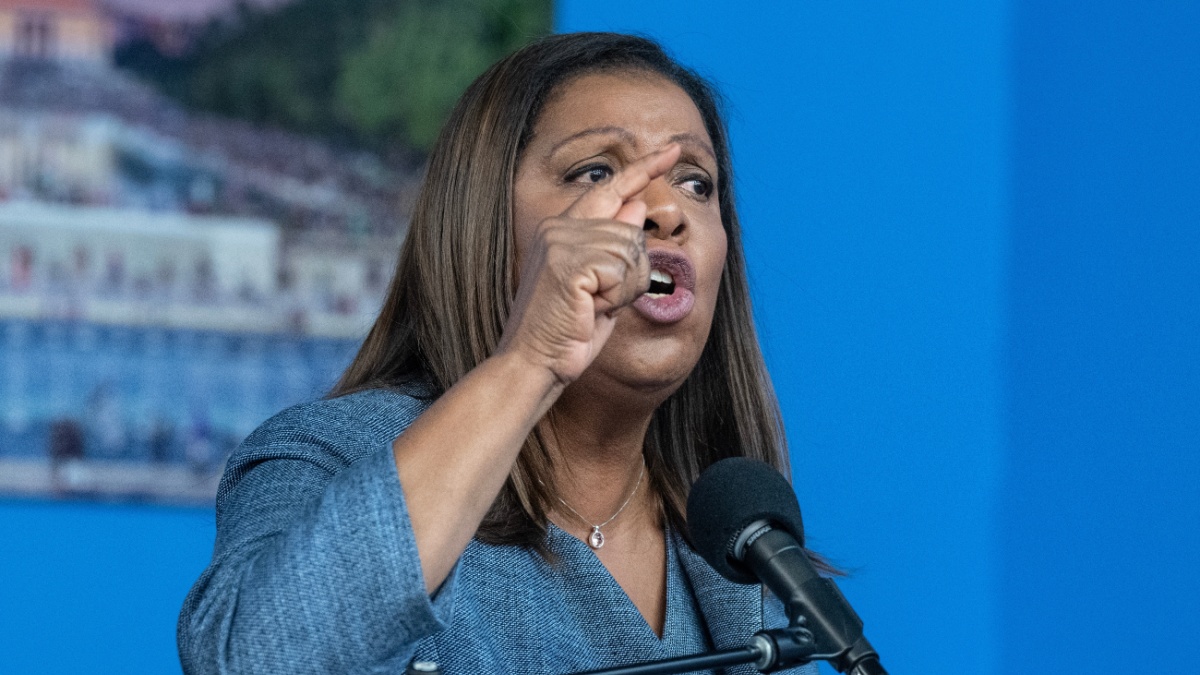
New York’s attorney general has sued the operator of the Zelle payment platform, citing security failures which led to “massive amounts of fraud”.
New York Attorney General Letitia James filed the case against Early Warning Services (EWS) on August 13, focusing on the period between 2017 and 2023 when scammers targeted users and stole over $1bn.
“EWS knew from the beginning that key features of the Zelle network made it uniquely susceptible to fraud, and yet it failed to adopt basic safeguards to address these glaring flaws or enforce any meaningful anti-fraud rules on its partner banks,” a release read.
James has encouraged New Yorkers who lost money to Zelle scams to file a report with the Office of the Attorney General (OAG).
“No one should be left to fend for themselves after falling victim to a scam,” said James. “I look forward to getting justice for the New Yorkers who suffered because of Zelle’s security failures.”
Background
Launched in 2017, Zelle is a US digital payments network run by a private company owned by major banks, including Bank of America, Wells Fargo and Capital One, among others.
The service was designed for payments between people who know and trust each other. Scammers, however, learned they could sign up using misleading email addresses tied to trusted businesses or government entities.
James highlighted an example. A New York user received a call from someone posing as a Con Edison employee who claimed the consumer was behind on bills and that his “electricity was going to be shut off that day” unless he paid via Zelle.
The fraudster used “Coned Billing” as the account name. The consumer sent $1,476.89 to a Zelle account called “Coned Billing,” but after realising it was a scam, was told by their bank, JPMorgan Chase, that the bank “can’t get [him] that money back.”
Platform response and earlier actions
JPMorgan found that nearly 50% of reported scams on Zelle began on social media. The bank later blocked Zelle payments initiated through social media.
Following rising scam reports, the Consumer Financial Protection Bureau (CFPB) last year filed a suit against Early Warning, as well as JPMorgan Chase, Bank of America and Wells Fargo. The case alleged the companies failed to implement effective anti-fraud measures and routinely denied reimbursement to victims.
In March, the case was dismissed amid moves to reduce CFPB oversight. This left many victims with limited options, prompting the New York Attorney General to sue EWS to seek reimbursement.
What the New York case seeks
Attorney General James alleges that EWS violated New York law by operating a platform highly susceptible to fraud and doing little to stop it while marketing it as safe and secure. The lawsuit seeks restitution and damages for affected New Yorkers, plus court orders requiring EWS to maintain anti-fraud safeguards and take other steps to protect customers.
A major legal hurdle is that, under US law, many of these transactions fall outside Regulation E, which generally requires reimbursement only for unauthorised transfers.
There is some optimism based on James’ recent actions against large payments firms. In June, Attorney General James sued payday lending companies DailyPay and MoneyGram for exploiting workers with predatory loans. In May, she sued Capital One for misleading customers and withholding millions in interest. In January 2024, she sued Citibank for failing to protect customers from fraud.
Elsewhere, lawmakers led by Representative Maxine Waters and Senators Elizabeth Warren and Richard Blumenthal requested detailed disclosures on fraud rates, reimbursement rules and risk controls, with a response deadline of July 16.