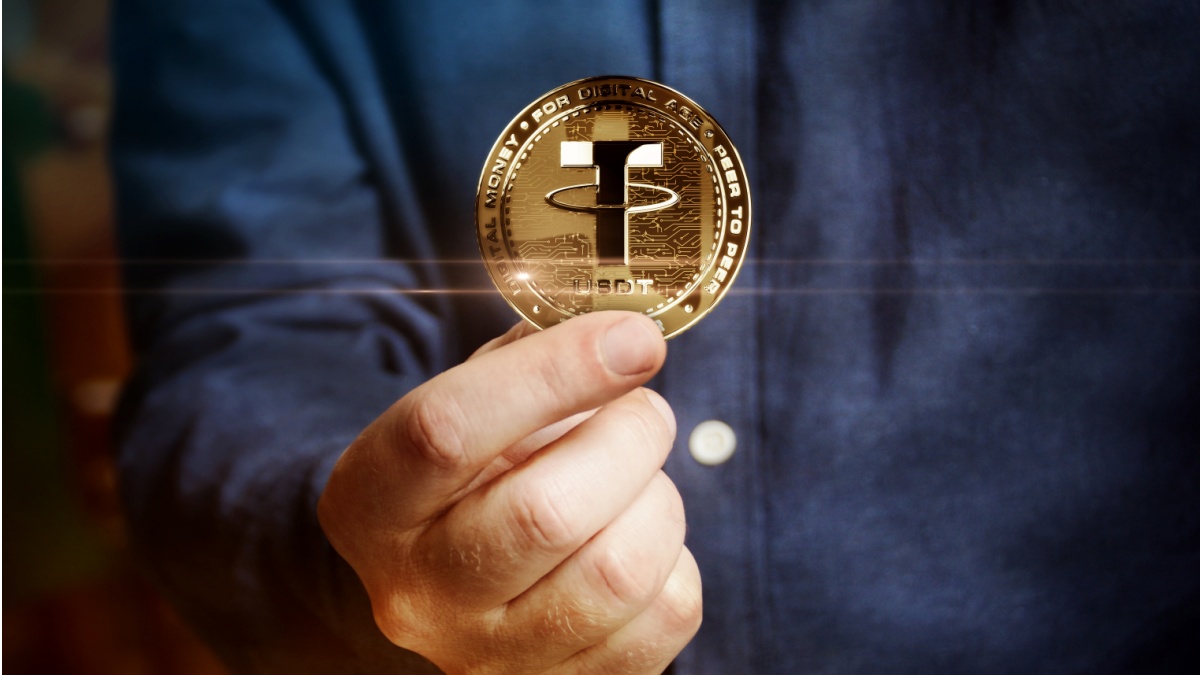
Concerns around stablecoin payments are mounting after reports of high-value scams and growing use by illicit actors
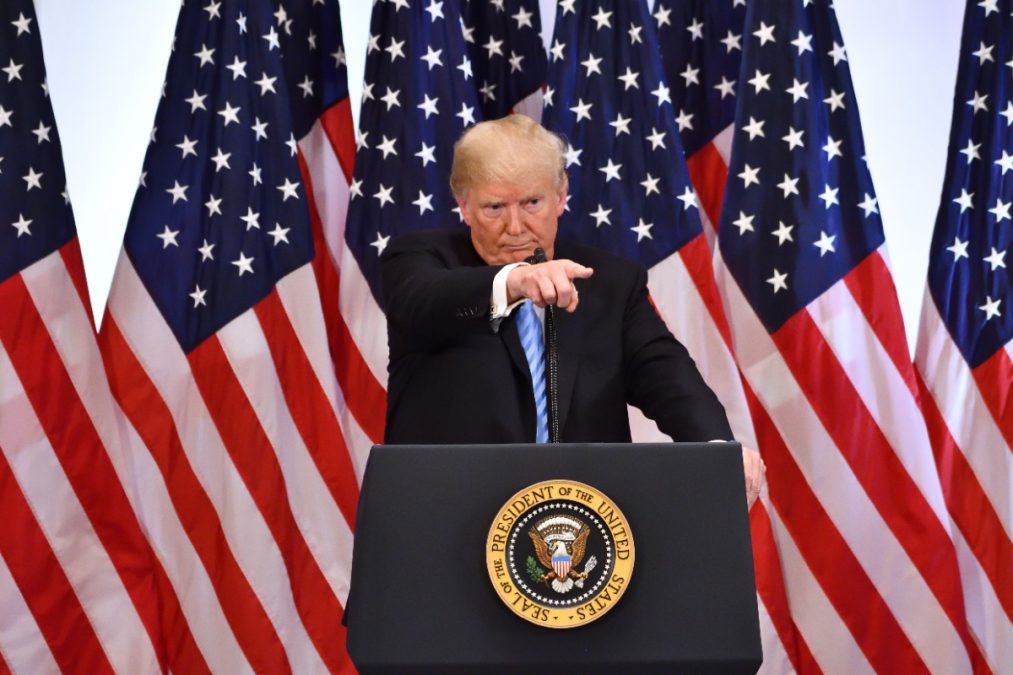
Scammers tricked victims into sending $250,300 worth of USDT stablecoin by using an email address designed to be similar to one connected with President Donald Trump’s inaugural committee.
The trick involved using a lowercase “l” rather than a lowercase “i” in the ending of the official email address: @t47inaugural.com. Sent in December, these emails appeared to be from Steve Witkoff, then Co-Chair of the Trump-Vance Inaugural Committee.
According to a civil complaint filed last week, “Fake Steve Witkoff solicited donations from the Victim on December 24, 2024. On December 26, 2024, Victim-1 sent 250,300 USDT.ETH to ADDRESS 58c52 with the intent to and belief they were donating to the Trump-Vance Inaugural Committee.”
Following an investigation, it is believed the funds were transferred to an account in Nigeria. The court filing stated the “Defendant Property is subject to forfeiture” to the US.
Are stablecoins really “stable”?
Stablecoin adoption has surged in recent years, with banks and payment providers eager to integrate these tokens once clearer regulations emerge. The US took the lead on June 17 by passing the GENIUS Act, the first federal law to regulate payment stablecoins.
Stablecoins have specifically received praise for speeding up cross-border transfers and preserving value through fiat-currency pegs.
Major payments firms are already staking their claims. Last month, Visa expanded its partnership with pan-African fintech Yellow Card to pilot stablecoin settlements across Europe, the Middle East and Africa.
Despite industry enthusiasm, some experts warn of flaws.
At a June 23 hearing of the European Parliament’s Committee on Economic and Monetary Affairs, ECB President Christine Lagarde warned: “Stablecoins are privately issued and notably pose risks for monetary policy and financial stability.”
Around the same time, the Bank for International Settlements issued a report calling stablecoins not “fit for purpose” in a modern society. It’s worth noting these critiques come from central banks, which may view decentralised infrastructure as a threat.
Independent bodies have also sounded alarms. The Financial Action Task Force warned that stablecoins and other virtual assets amplify illicit finance risks.
“The use of stablecoins by various illicit actors, including Democratic People’s Republic of Korea (DPRK) actors, terrorist financiers, and drug traffickers, has continued to increase since the 2024 Targeted Update, and most on-chain illicit activity now involves stablecoins (p. 20),” the FATF report states.
“Mass adoption of stablecoins or VAs more broadly could amplify illicit finance risks, particularly with uneven implementation of the FATF Standards for VAs/VASPs.”