Contactless payment adoption during COVID‑19 changed how consumers pay, creating new expectations for speed, convenience and choice.
Certain events in history can be pinpointed as changing the way people live. Over the last century, there have been the accidental discovery of penicillin in 1928, the invention of the World Wide Web in 1989 and the COVID-19 pandemic in 2020.
Each of these has had a dramatic impact on daily life, almost as if the world was trotting along in one direction before being fired onto a completely new trajectory.
In response to these moments, people and businesses have been required to adapt to new behaviours and expectations; the payments industry was no exception.
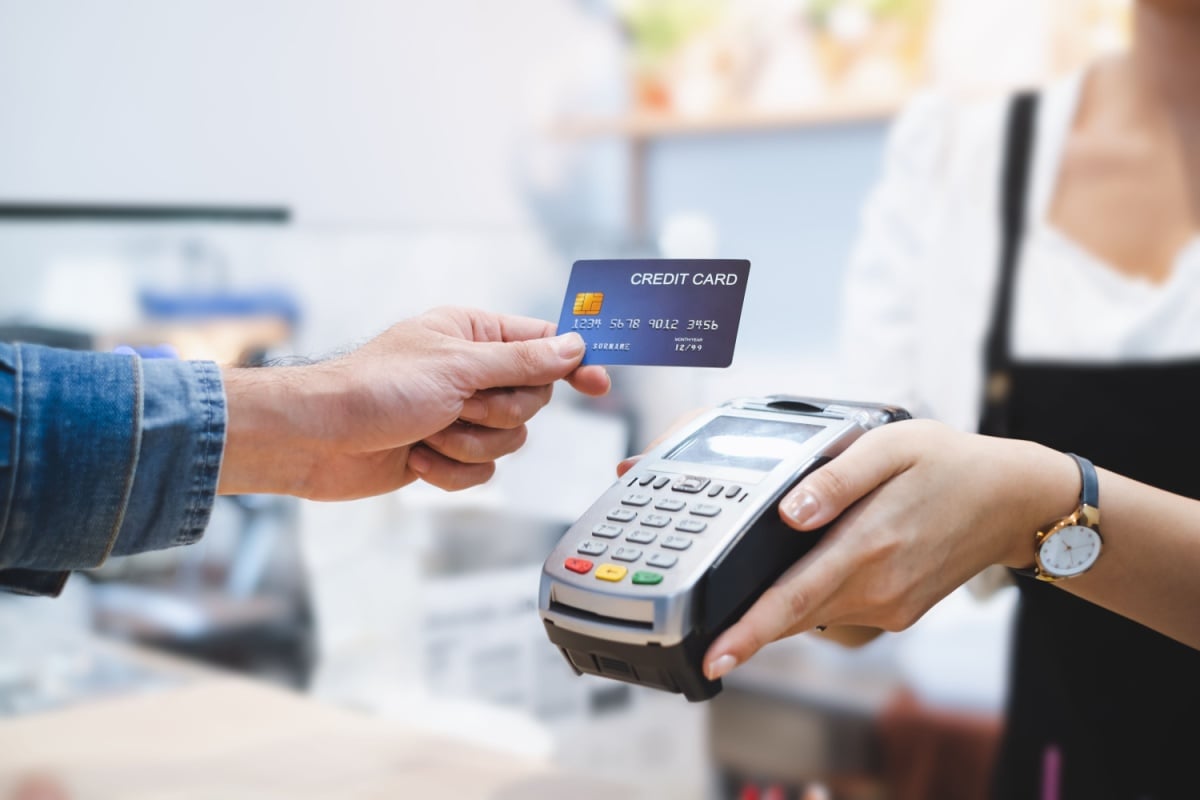
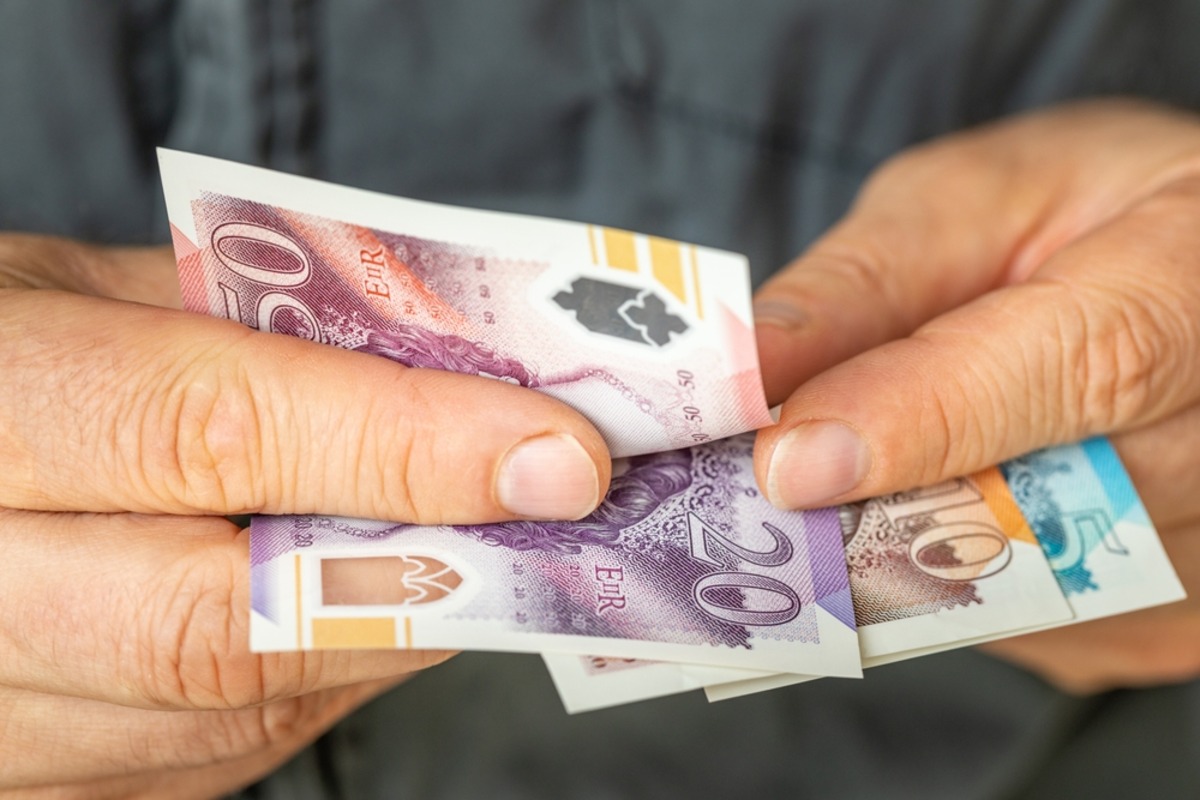
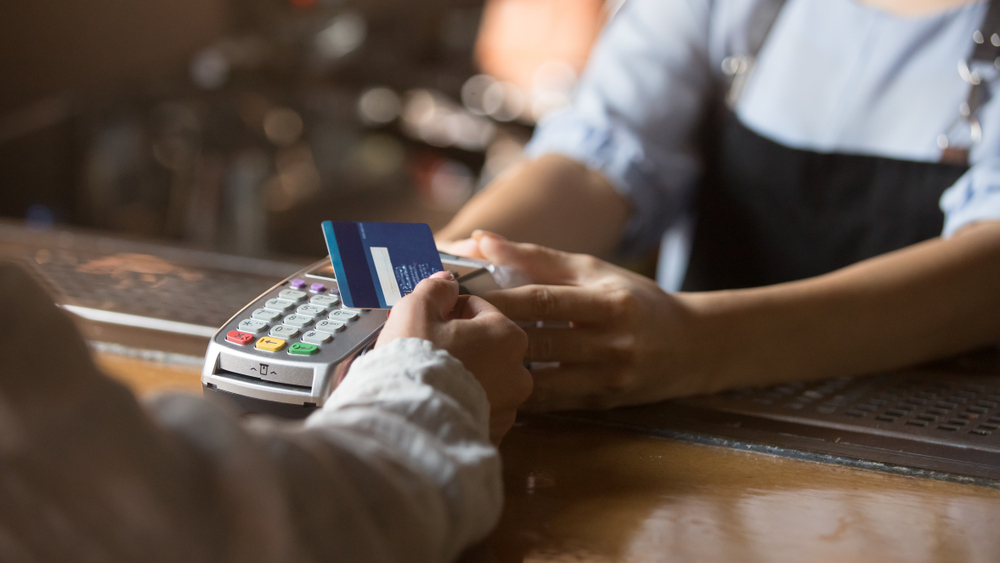
Before the COVID-19 pandemic, contactless payments were becoming part of everyday life, but adoption wasn’t at the levels it is today. Cash accounted for a significant share of everyday purchases and contactless was viewed as an alternative rather than the default payment method.
However, the pandemic changed this almost overnight.
In 2019, contactless payments accounted for 7% of all UK payments before rising to more than a quarter of transactions in 2020, according to UK Finance.
Why contactless became the default choice
At the start of the pandemic, governments around the world introduced lockdowns to contain the spread of COVID-19. Consumers and businesses tried their best to reduce physical interaction. This meant that cash became less appealing.
However, what started as a way to reduce interaction became a preferred payment experience because consumers and merchants found a myriad of benefits to using contactless.
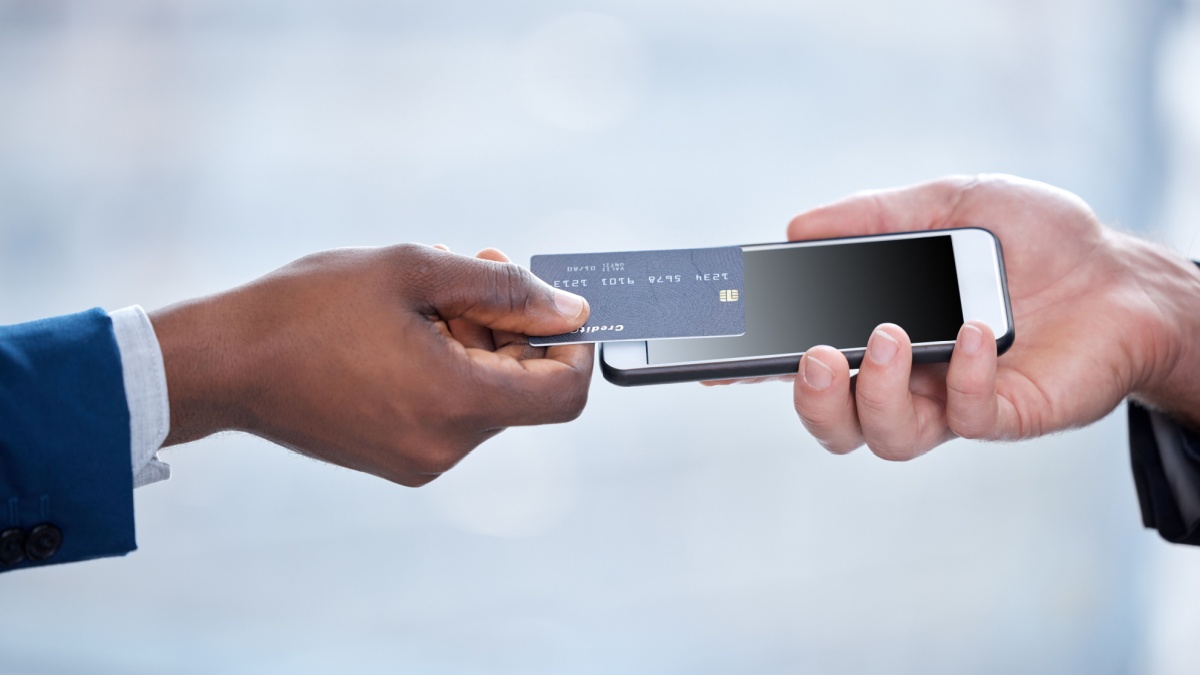
The payment method removes many of the friction points associated with traditional payment methods, allowing consumers to complete purchases without handling cash or entering a PIN.
The speed of contactless also benefited merchants by cutting queue times and improving the overall checkout experience during busy periods. As consumers became accustomed to faster transactions, older methods started to feel less convenient.
Regulators also played an important role in supporting adoption. In the UK, for instance, the contactless spending limit was raised from £30 to £45 in April 2020 before being raised again to £100 in 2021. Higher limits allowed consumers to use contactless for a wider range of purchases, helping turn the behaviour into a daily habit.
Security features, such as tokenisation and device authentication, reassured consumers that contactless payments could be used safely, while the growth of mobile wallets added another layer of familiarity.
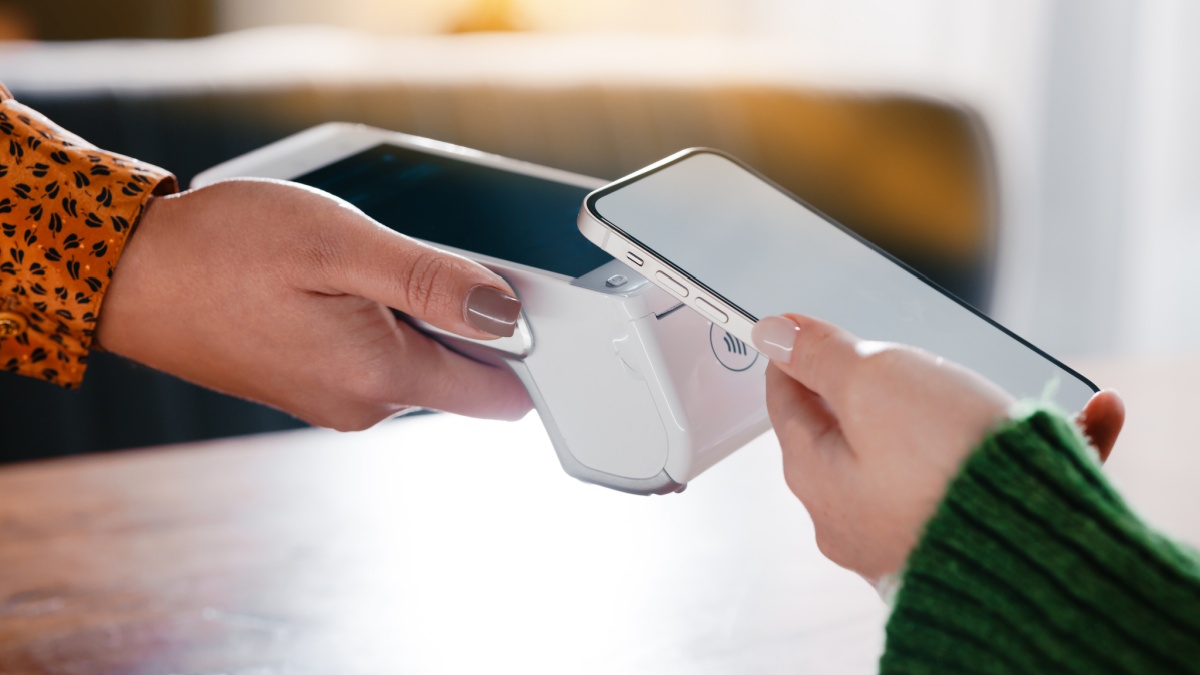
As consumers became more comfortable using smartphones for transport, digital services and other everyday tasks, using the same device to make payments became an obvious evolution.
Lasting changes in consumer expectations
Consumers became used to completing transactions quickly and with minimal effort, creating a new standard for what a payment experience should look like.
The areas most impacted by these changing expectations are:
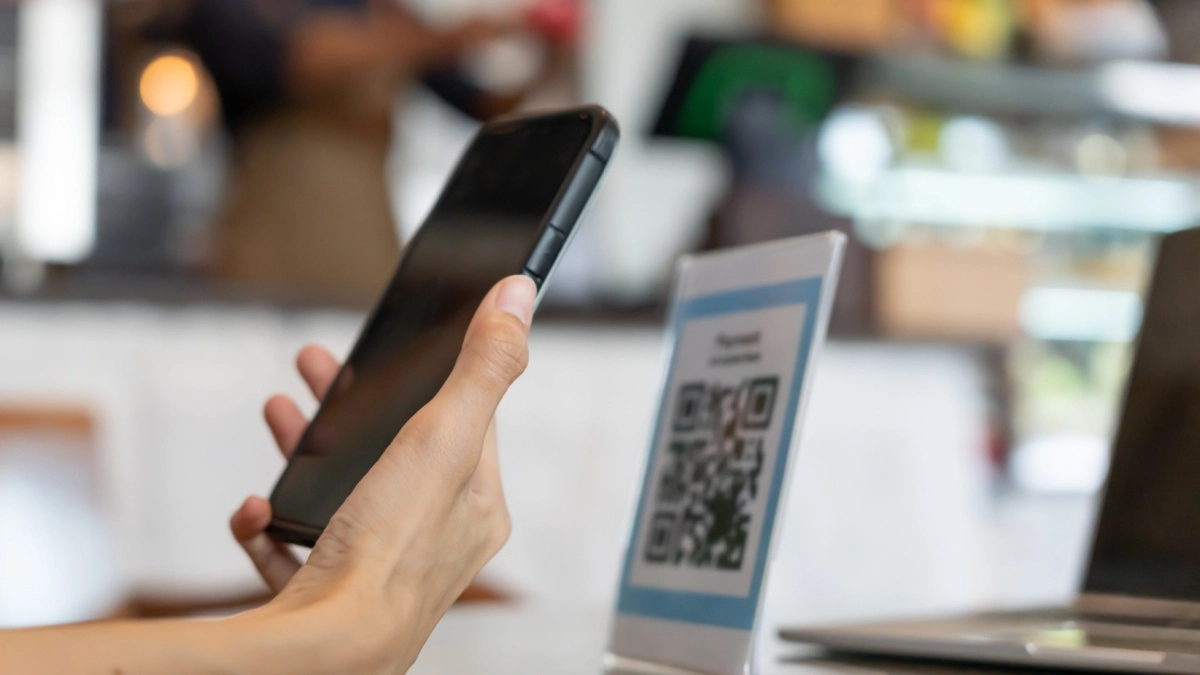
- Speed is now essential: Completing transactions with a tap of a card, phone or wearable device, or through a QR code scan, has made slower payment methods feel less convenient. Consumers now expect payments to be completed within seconds.
- Payment choice is expected: Shoppers expect merchants to support multiple digital payment methods, including contactless cards, mobile wallets, QR codes and in-app payments.
- Mobile payments are part of everyday routines: People expect payments to be integrated into the services they use every day, whether that is transport, retail apps or digital platforms, pushing businesses towards connected payment experiences.
What’s next for contactless payments?
Contactless payments are still developing, with new technologies expanding the experience past tapping a card at checkout.
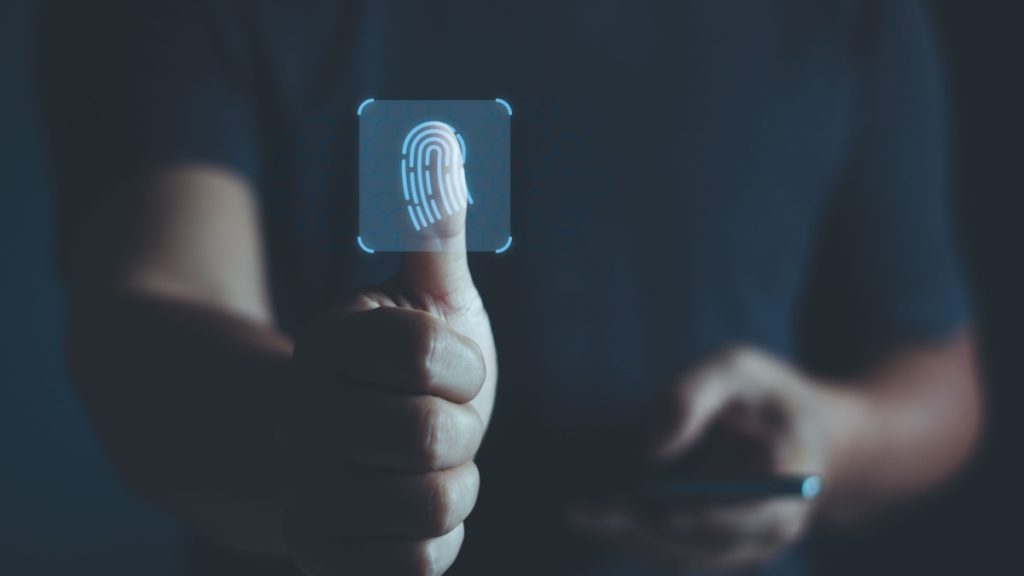
Wearables – such as Apple Watches – are becoming more common, allowing consumers to pay through smartwatches and other connected devices. Biometric authentication is supporting this growth, with fingerprint and facial recognition helping make device-based payments faster and more secure.
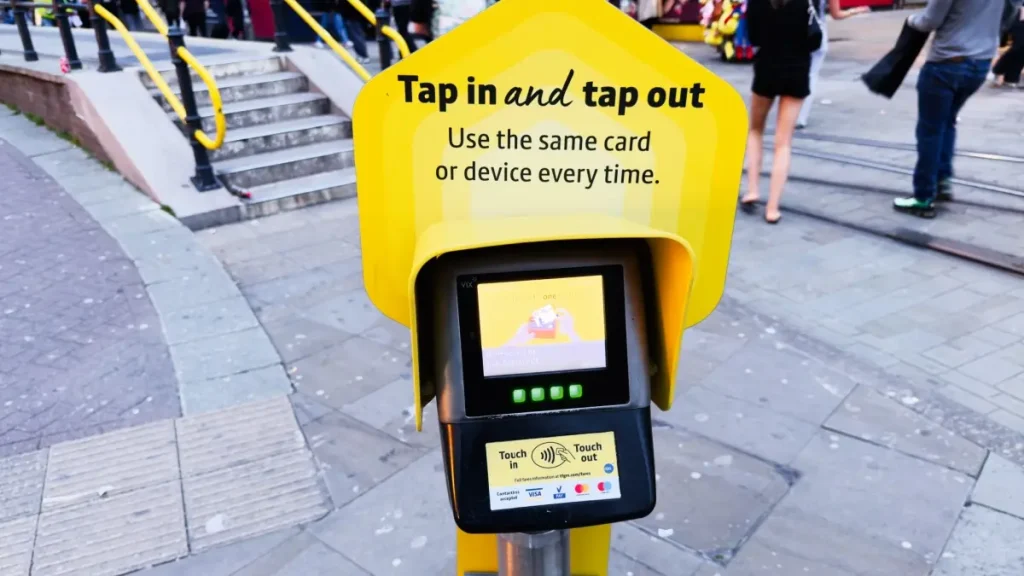
Transport systems are also showing how contactless payments can become embedded into everyday routines. Tap-to-go infrastructure in cities such as London, Singapore and New York has normalised contactless behaviour across millions of journeys.
Contactless is also being used as a vehicle to push different types of payments. In the US, QR codes are set to support wider adoption of account-to-account payments.
The X9.150 standard aims to create a shared framework for merchant-presented QR payments, allowing businesses to accept payments across multiple rails, including FedNow, RTP and ACH.