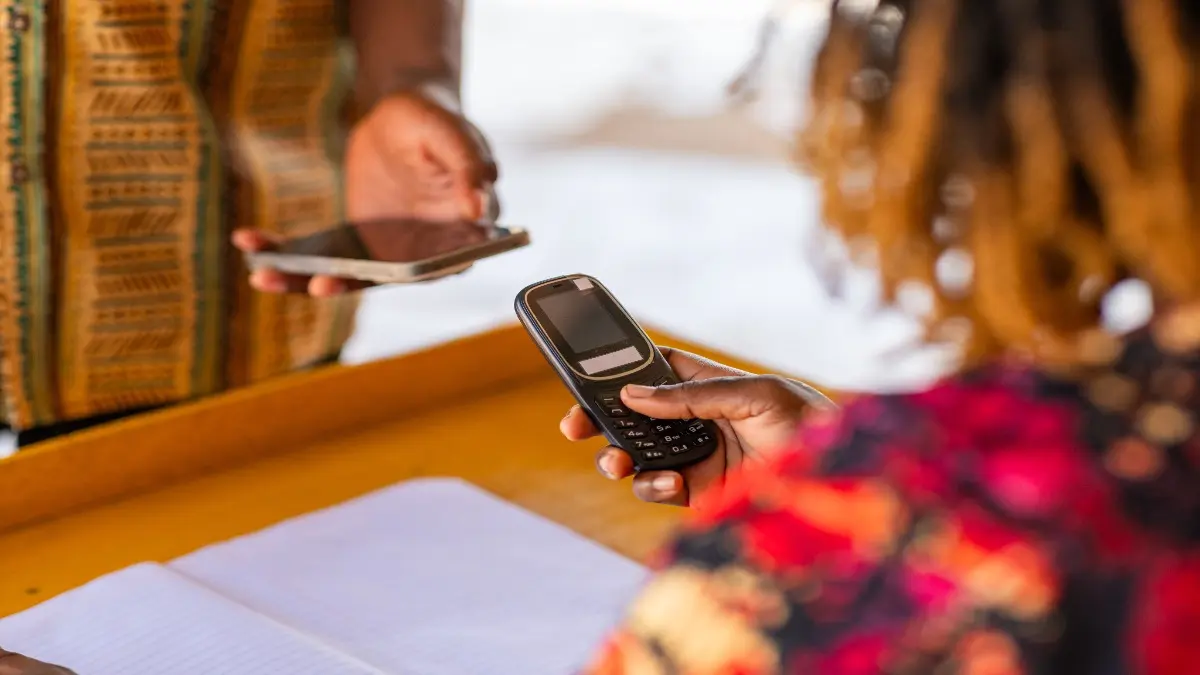
Mobile money has evolved into a financial inclusion tool connecting millions of people in emerging markets to payments, savings and wider financial services.
Mobile phones have become essential to daily life, allowing people to stay in touch with friends wherever they are, keep up with current events, carry the world’s encyclopaedia in their pocket and gain access to financial services through mobile payments.
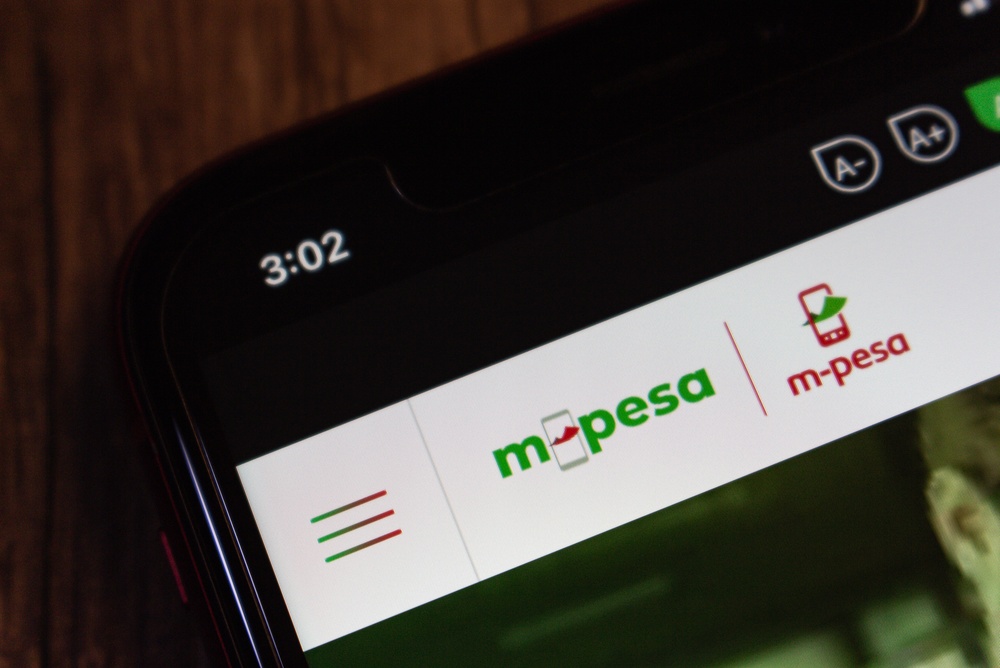
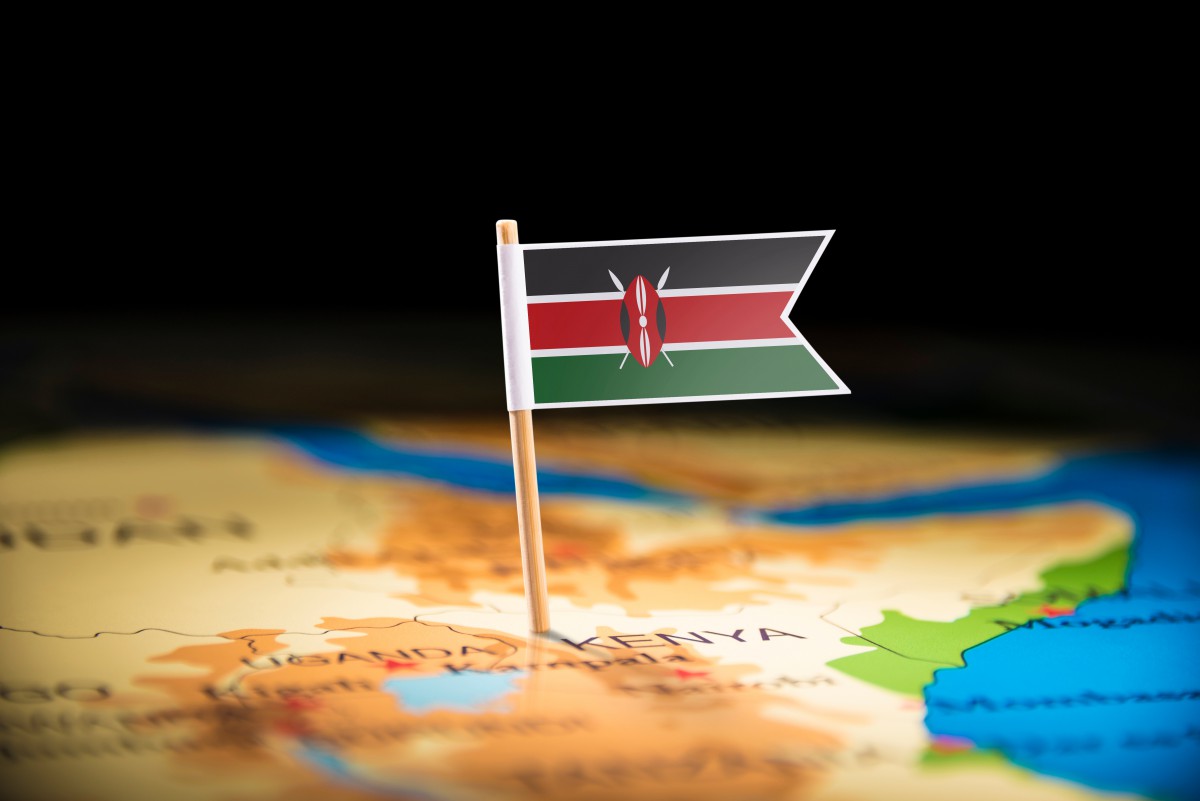
A landmark year in the history of mobile money was 2007, when Apple launched the original iPhone and Safaricom introduced M-PESA in Kenya, giving underserved consumers access to financial services without traditional bank branches.
M-PESA expanded into Tanzania, while telecom operators across Africa and other emerging markets launched their own mobile money services as demand surged. By the middle of the following decade, services supported bill payments, merchant transactions, international remittances and connections with the banking system.
Mobile money services processed more than $1trn in transactions during 2021 for the first time and by 2025 around $2.1trn was moving through mobile money wallets globally.
However, the story of paying through a mobile phone predates M-PESA and the original iPhone.
An early example appeared in Finland in 1997, when vending machines allowed consumers to purchase Coca-Cola products by using the mobile network.
Another important development came as telecom networks expanded technologies such as Unstructured Supplementary Service Data (USSD), a communication protocol used by cellular phones that doesn’t require a mobile data connection.
With these tools in hand, people in some developed economies started to informally transfer prepaid mobile airtime as a way of sending value to one another.
Why mobile money has become essential in emerging markets
Like most successful inventions, they were created to solve a problem, as was the case with mobile money.
Opening and regularly using a traditional bank account is difficult when customers live far away from branches, have inconsistent incomes or lack some of the documentation required by financial institutions.
Therefore, rather than requiring users to visit a bank, providers can distribute financial services through mobile networks and networks of local agents. These agents allow customers to deposit cash into a mobile wallet or convert digital funds back into cash when needed.
The Global System for Mobile Communications Association (GSMA) recorded around 30 million registered mobile money agents globally in 2025, with 11 million active each month. Agents handled around $430bn in cash deposits during the year.
It isn’t a method to replace cash, with cash still extremely important in many emerging markets. However, it allows cash-based consumers to access digital financial services without first becoming customers of a traditional bank.
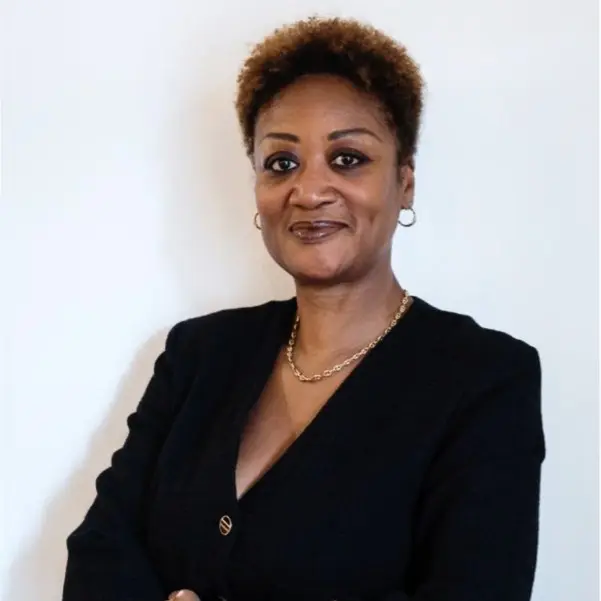
“The mobile payment system is crucial in African markets, where credit cards are not as widely used as in Europe and everything is generally done with cash. The most important thing for our customers is trust,” said Joëlle Hazoume Alao, Business Developer, Program Director and Board Member of Orange Money last year.
How mobile money is improving financial inclusion
A mobile money account can allow someone to receive wages, send money to family members, pay merchants, settle bills and store funds. Depending on the market and provider, mobile money customers can also access savings products, credit, insurance and international remittances.
The World Bank has highlighted mobile technology as an important contributor to financial inclusion in developing economies. In 2024, 10% of adults in developing economies used mobile money accounts to save, while around 900 million adults without a financial account still owned a mobile phone.
Sub-Saharan Africa has experienced significant growth in account ownership over the past decade, with the World Bank attributing much of the progress to mobile money adoption.
Mobile money also helps businesses, with small merchants able to accept digital payments without investing in traditional card terminals. Additionally, digital transaction records can provide providers with information that may help businesses access credit and other financial services.
The challenges facing mobile money growth
One of the biggest challenges to the growth of mobile money is taxation, with governments in several markets targeting mobile money as a revenue source by introducing transactional levies.
Transaction taxes raise costs and increase cash reversion, when a person withdraws their entire digital balance at once to use cash and bypass fees.
As with any place money changes hands, fraudsters linger. As record amounts of money move through phones, users become targets for scams, account takeovers and social engineering.
SIM-swapping is a common tactic used by bad actors, where they trick a mobile carrier into transferring your phone number to a SIM card they control, allowing them to intercept text messages and bypass security codes to hijack financial accounts.
As mobile money will be the first digital finance experience for many users, any scam or data breach is more likely to result in them not trusting or using the method again.
Despite progress, mobile money hasn’t removed the barriers to financial inclusion because access to a mobile phone isn’t universal and smartphone ownership, connectivity and affordability are imbalanced across the world.
The World Bank estimates that 1.3 billion adults globally still lack access to financial services and that around 31% of unbanked adults in low- and middle-income economies don’t own a mobile phone.
Speaking to Payment Expert earlier this year, Keenan Mayet, Head of Retail International Banking and Payments at Absa, said: “Ultimately, financial inclusion is not about digitising payments alone. It is about enabling greater economic participation.
“If digital payments help people transact more conveniently, manage money better and access broader financial services, adoption becomes a natural outcome rather than an imposed behaviour change.”