Revolut gains access to millions of Uber customers as A2A payments slowly become more mainstream.
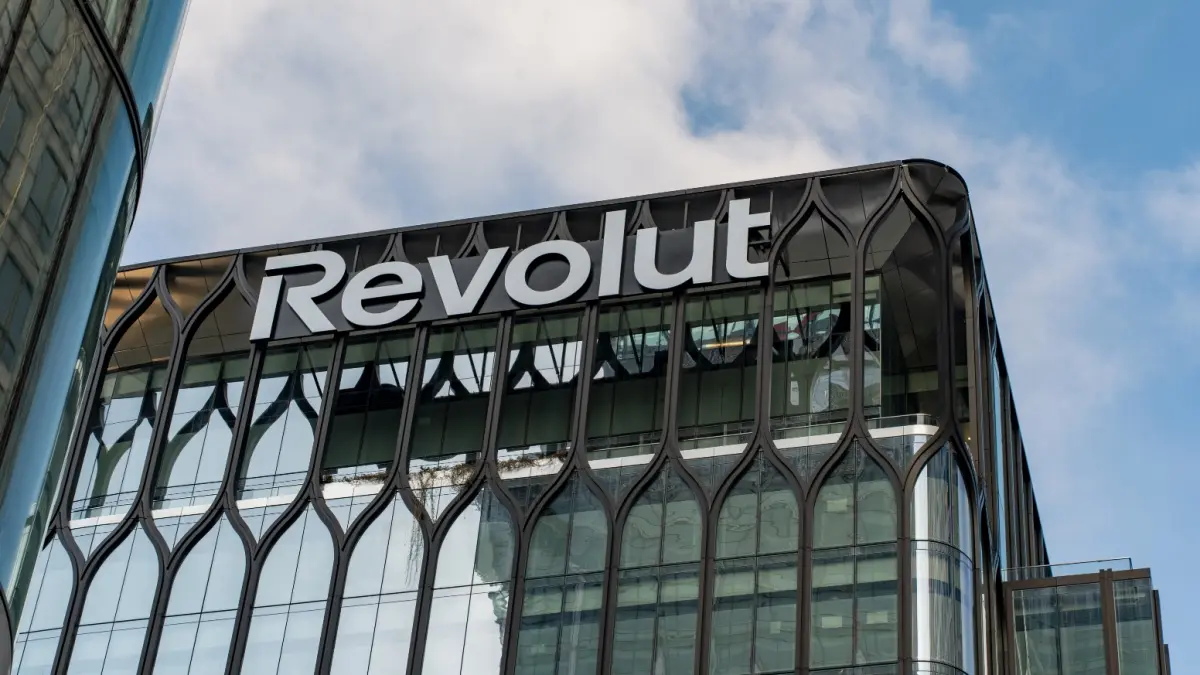
Revolut has integrated its account-to-account (A2A) payment service, Revolut Pay, into Uber across the UK and Europe.
Described as a “massive step forward” by Alex Codina, General Manager of Merchant Acquiring at Revolut, the integration will allow Uber and Uber Eats customers to pay from their Revolut accounts.

When selecting the payment method at checkout, customers can authorise the transaction through their Revolut app using biometric security, with payments made from their account as an alternative to card transactions.
Users will receive instant transaction notifications, live spending updates and local currency handling, which the fintech says provides greater visibility over their spending on rides and deliveries.
“Whether our shared customers are ordering a meal at home or navigating a new city abroad, we are ensuring they can choose the method of global payment that best matches their needs,” said Codina.
The partnership also connects Uber’s customer base with the fintech’s rewards ecosystem. More than five million Uber and Revolut users across the UK and Europe will have opportunities to earn RevPoints when paying for journeys and deliveries through Revolut Pay.
The launch is accompanied by a promotional offer running from 11 November to 6 January, giving customers an additional 5x RevPoints on eligible transactions.
More choice for Uber
Convenience is key for a food delivery and taxi service like Uber, which goes hand in hand with choice.
More and more merchants are offering consumers the ability to use A2A payments at checkout, with eBay and Amazon partnering with TrueLayer earlier this year to add Pay by Bank.
At the time, Jonathan Boumphrey, Country Manager for UK and Ireland at Amazon, said the new payment option gives customers faster refunds and more choice.
Uber will also benefit from the lack of fees associated with traditional card payments, as well as an average authorisation rate of 98.5%, according to the fintech’s official press release.
“At Uber, our goal is to make every journey as seamless as possible, and that extends directly to how our customers pay,” said Karl Hebert, VP of Global Commerce at Uber.
“Partnering with Revolut Pay gives our riders and eaters across the UK and Europe more choice, financial transparency, and exclusive rewards. We’re excited to be expanding our partnership with Revolut.”
Revolut makes progress for A2A
The UK-based fintech will likely view this as a significant win due to the exposure it can gain from Uber, which operates across 75 countries and serves more than 215 million monthly active platform consumers.
It also fits into the travel proposition that Revolut and other neobanks have developed in recent years, offering customers foreign exchange services, spending visibility, and payment options for use abroad.
However, the deal has perhaps done more for A2A payments in general than the company realises. A2A payments are slowly gaining traction but are still nowhere near the levels of card transactions.
A lack of consumer protections and payment habits is often cited as a barrier to adoption, but availability is an important factor. Consumers can only choose to pay from their bank accounts when merchants make the option available.
Integrating Revolut Pay into a platform as widely used as Uber therefore gives A2A payments access to a much larger everyday audience.
Speaking to Payment Expert earlier this year, Codina said it’s only a matter of time before A2A payments become the default choice, especially with Revolut Pay.
“We grew 4x year-on-year last year and expect similar growth this year. It needs to be everywhere. PayPal took 20 years to become omnipresent. We’re moving faster,” he said.
“For smaller players, they may need support from overseeing bodies because they may not have the same scale or technological capability. Account-to-account is just the starting point. The intersection with other rails – stablecoins, biometric payments – is coming. Revolut is well positioned to lead in that environment.”