Paytm is moving beyond digital payments by upgrading its AI-native platform to assist consumers and businesses with AI bots.
The Indian digital payments company is set to begin the rollout of Pi by Paytm, an AI-native platform, to deploy bots to its customers and business partners to automate back-office tasks and customer services.
The upgraded Pi by Paytm service intends to help with sales, back-office operations, customer service and more, according to people familiar with the matter, cited by Bloomberg.
The rollout will initially focus on Paytm financial institutions in its home market of India, such as banks, insurers and lenders, as well as in the United Arab Emirates (UAE).
This is Paytm’s first pivot into AI after Pi originally served as a fraud protection and risk management service.
Pi’s AI agents will be used to combine payment intelligence, behavioural models, voice detection technologies and workflow automations to assess customer needs, automate business marketing campaigns, and bring in new customers through its customer service application.
Back offices where Pi will be offered to Paytm’s business partners have been assured it comes with minimal supervision.
According to Bloomberg sources, Paytm will continue to maintain its Pi data used for fraud protection, as well as credit assessments and worthiness.

Why the AI pivot from Paytm?
Several high-profile digital payments and banking firms have shifted to providing holistic or third-party AI agentic and chatbox offerings as the technology continues to surge in its ability to draw investment and consumer usage.
Revolut has been working with OpenAI to deploy ChatGPT within its digital banking app, Starling has opted to launch a consolidated AI chatbot assistant, while firms such as Visa and Mastercard have been developing use cases for agentic commerce and payments.
Deploying AI-native services like agentic commerce and bot assistance allows companies like Paytm to add a value-added service, allowing it to expand its customer and partner bases, as well as providing another revenue stream.
India’s digital payment sector is also becoming increasingly competitive and sophisticated.
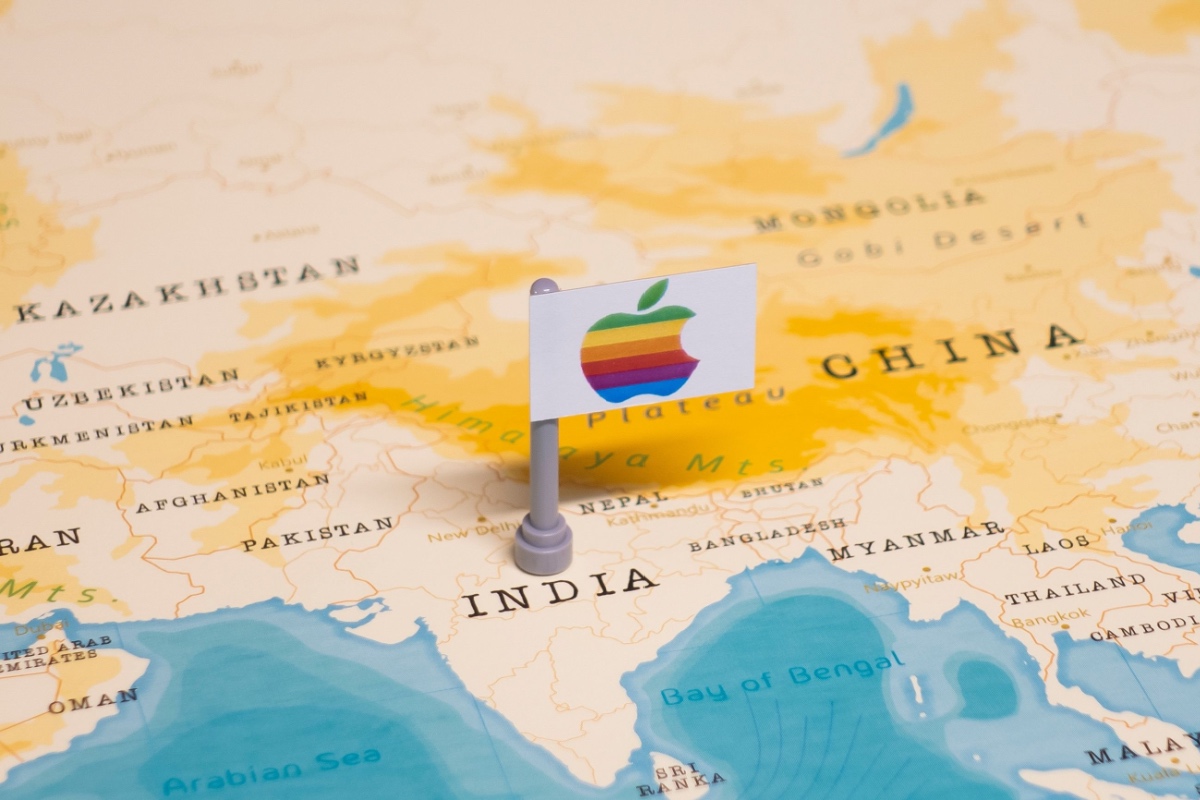
Paytm has to contend with competitors such as PhonePe, the largest Indian provider of Unified Payments Interface (UPI) transactions, alongside Indian payment firm Razorpay. Competitors outside India, such as Google – the second largest provider of UPI – and the interest of launching in India from Apple Pay, have also added to the competitive scene.
In a bid to diversify its digital payment offerings, Paytm has announced plans to hire up to 4,000 employees by early 2027 to drive its AI-native product solutions, such as Pi, as well as expand its merchant network.
As a publicly traded company for nearly five years under parent company One97 Communications, Paytm will no doubt continue to deploy value-added services as it may soon be facing competition from one of its competitors in public markets.
Reports in June 2026 suggested Razorpay executives were planning a $600m initial public offering (IPO) after confidentially filing in India.
Razorpay, based in Bengaluru, has received funding from Sequoia India, Alkeon Capital and GIC, Singapore’s sovereign wealth fund. JP Morgan, Citi, Axis Capital and Kotak Mahindra Capital are among some of the banks advising the payments firm on the IPO.