Agentic AI is becoming all the more common in payments as banks test systems that can execute transactions and assess fraud risks.
Starling Bank has launched an agentic AI assistant for businesses that can manage transactions and flag potential scams.
Named Starling Assistant, the free tool is available to all business customers through the bank’s app and follows the launch of an AI financial assistant for personal accounts in March 2026.
The bank has stressed that the agent is capable of carrying out tasks, a change from earlier banking AI tools that were mainly used to answer questions or provide support.
One example that the bank offered is tax management, where Starling Bank customers can ask the assistant to put 20% of the previous month’s earnings aside for VAT, with the tool calculating the amount from their account history and moving the money into a savings pot.
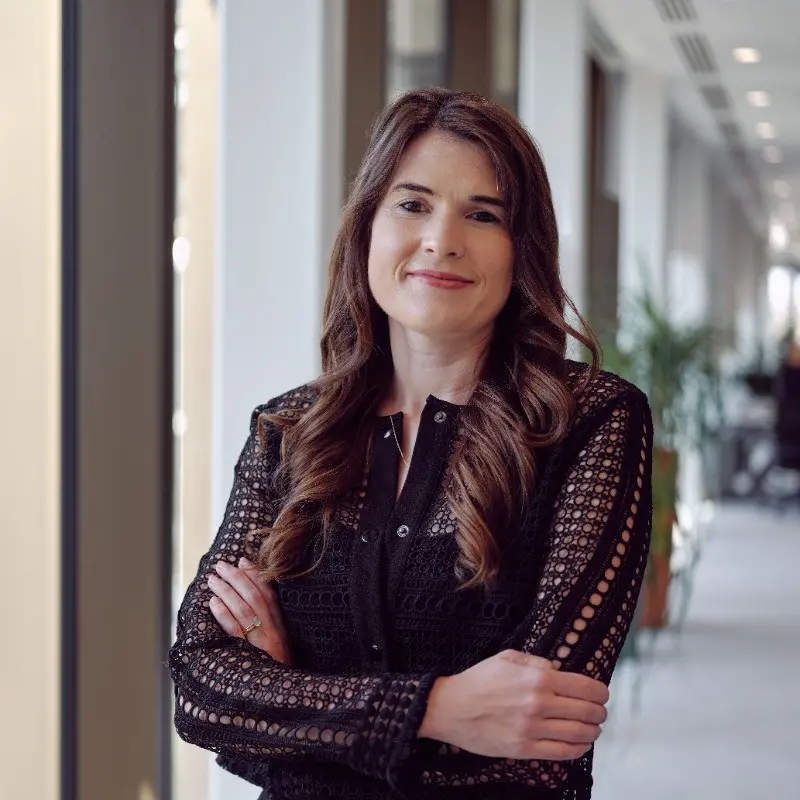
“We know that managing finances can be a major drain on time for small businesses,” said Harriet Rees, Group Chief Information Officer at Starling.
“Starling Assistant changes this by automating routine tasks and taking the guesswork out of money management.”
The assistant also includes a Making Tax Digital navigator for sole traders and landlords, helping users understand when they may be required to comply with MTD for Income Tax and directing them to relevant HMRC guidance.
Later this year, Starling plans to add receipt analysis and integrate the assistant with Starling Accounting, allowing businesses to track spending and instruct the system to create and send invoices.
Identifying potential fraud
Invoice fraud tends to start with criminals impersonating a supplier and convincing a business to send money to alternative bank details, making the point before payment a vital time to spot warning signs.
Starling Assistant aims to support customers at this stage by allowing them to discuss supplier invoices with the tool, which can identify potential concerns and offer guidance on what to do next.
A change in payment details, for example, can prompt the assistant to advise the business owner to contact the supplier and verify the information before sending funds.
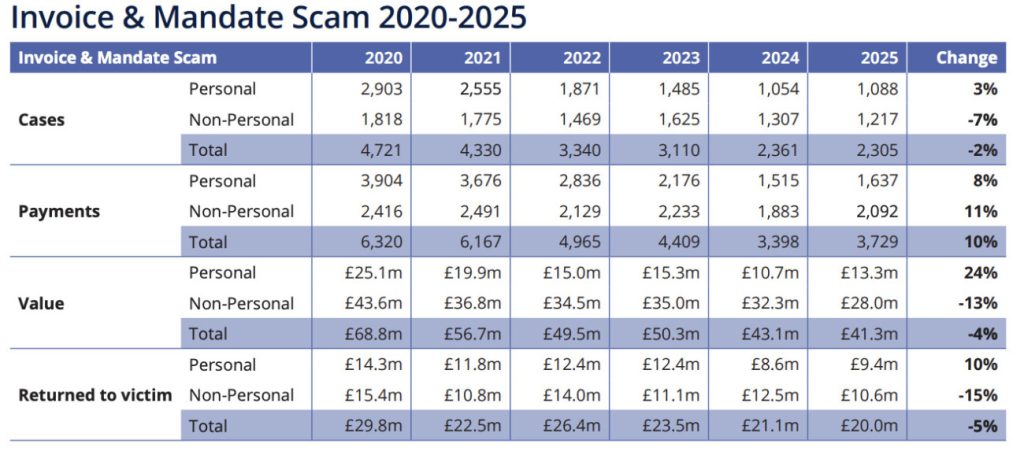
Invoice scams have become a significant problem for UK businesses, with UK Finance reporting £19.9m in losses from invoice and mandate scams during the first half of 2025, including £15m affecting business and other non-personal accounts.
Starling Bank also acknowledged the threat in its announcement, noting UK Finance figures showing that invoice fraud cost businesses more than £41m during 2025.
How far AI has come in payments
The launch comes as agentic AI starts to play a larger role in banking and payments, developing significantly from its early use in customer support.
In March, Banco Santander and Mastercard completed what they described as Europe’s first live, end-to-end payment executed by an AI agent on Santander’s live payments infrastructure.
The transaction used Mastercard Agent Pay and was orchestrated by PayOS, with the AI agent initiating and completing the payment within predefined limits and permissions.
Mastercard has since chosen the UK for the launch of Proto, a sandbox that lets retailers and payment providers test agentic AI solutions before they are introduced into live commerce.
The platform will allow businesses to test how products are discovered by AI agents, assess payment journeys and look at operational areas such as dispute management.
Simon Forbes, Division President, UK & Ireland at Mastercard, said businesses need environments where they can “evaluate performance, identify failure points and refine controls” before AI agents are trusted to act on behalf of consumers and companies.