
Kanishka Narayan told Fintech Week London the government is “pulling every possible lever” for fintech, from state capital to agentic payments.
UK Minister for Artificial Intelligence Kanishka Narayan said financial services and fintech will be “a critical driver” of the government’s target to make the UK the fastest adopter of AI in the G7.
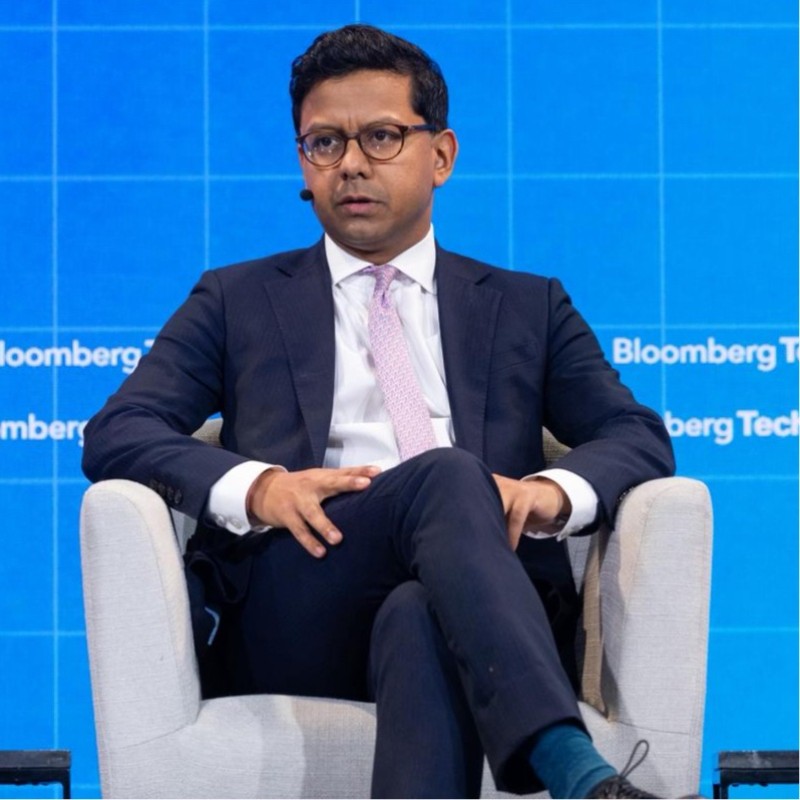
Narayan, a former fintech investor, told Fintech Week London the government is “pulling every possible lever” for the sector, naming capital, compute, regulation and talent. He said Britain has more than 4,000 fintech startups and that fintech takes “more than a quarter of all our venture funding”.
He added: “As a venture investor, I so often heard that we didn’t have a sufficiently deep pool of capital in the later stages.” Narayan pointed to the British Business Bank, whose total financial capacity was raised to £25.6bn ($34.7bn) at the 2025 Spending Review.
The bank has said it will increase annual investment by about two-thirds, to around £2.5bn a year, and make more direct investments so that companies “build here, innovate here, scale and stay here.” Mansion House pension reforms are directing more money into equities, Narayan added.
Asked whether the October budget would carry measures to double the number of UK unicorns, an ambition he attributed to the chancellor, Narayan said he could not “make premature budget announcements”. The British Business Bank’s equity programmes have backed 22 of the UK’s current unicorns, or 56%. Narayan said the £500m Sovereign AI Fund has made three equity investments – Ineffable Intelligence, Isomorphic Labs and Callosum – with further deals due “over the next two months”.
On compute, Narayan said Britain must give “every entrepreneur in this country” the capacity to build AI products, citing data-centre projects in North Wales, South Wales, the North East and Oxfordshire.
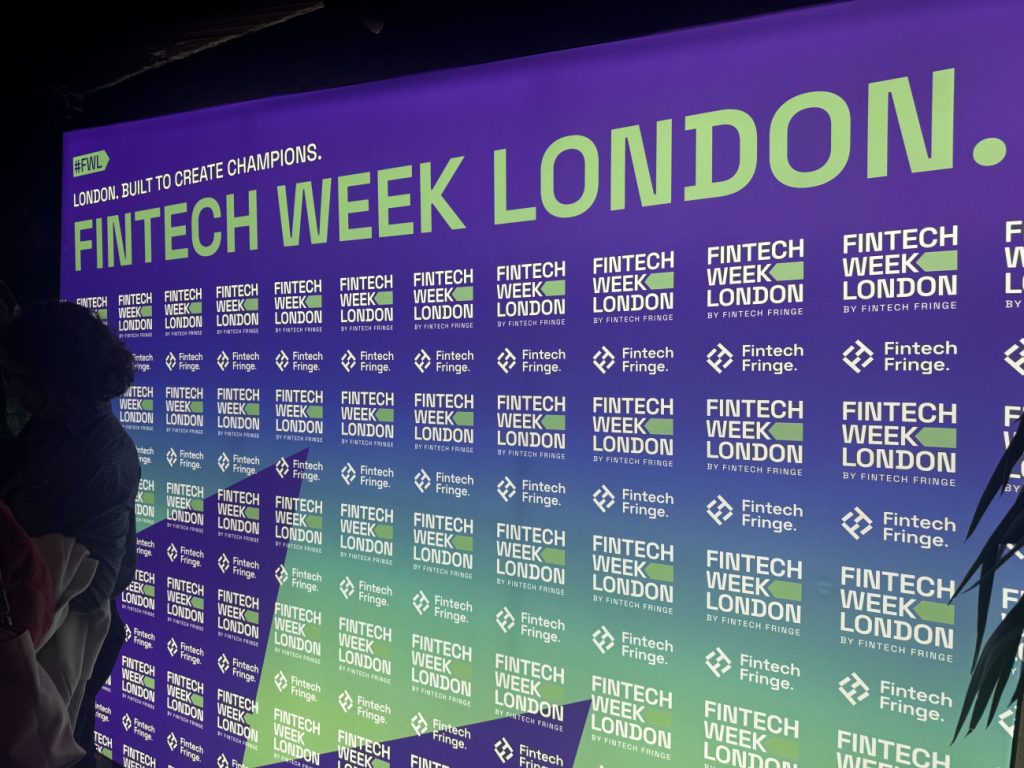
Agentic payments and the FCA sandboxes at Fintech Week London
Focusing on UK regulation, Narayan turned to payments. He said “clarity on regulation” was where the government could most help the sector, and that he had discussed agentic payments with the Bank of England, the FCA and the UK Treasury. “We’re setting up sandbox environments, which learn from the very best experiences of sandboxing in the FCA historically,” he said, referring to the regulator’s support for the first generation of neobanks.
The FCA already runs two programmes testing agentic payments – transactions initiated or authorised by AI agents on a user’s behalf. Its Supercharged Sandbox, built with NayaOne and NVIDIA, opened a second cohort on 13 July 2026 running to 31 December, focused on agent-led payments and commerce; TrueLayer is testing how AI agents initiate and complete Pay by Bank payments.
The FCA’s AI Live Testing programme, running since April 2026, lists agentic payments among its use cases. Agentic payments also featured in the financial services AI adoption plan published in July 2026 by the government’s sector champions, Harriet Rees of Starling Bank and Dr Rohit Dhawan of Lloyds Banking Group.
The FCA has said it will consider whether payment rules need to change for agentic AI, because regulation 67 of the Payment Services Regulations 2017 authorises a transaction only where the payer has consented to that specific transaction. Economic Secretary Lucy Rigby called agentic payments a “massive growth area” at the Innovate Finance Global Summit in April 2026.
Models beyond LLMs
Narayan set limits on large language models in regulated finance. Firms should “start with the outcomes” they need and then choose the model, he said, rather than force an available model to deliver them.
He added that the government treats its AI support as “a portfolio” that includes options beyond LLMs, and that he would launch a research lab with UCL and Oxford on symbolic and other non-language models.