The SEC is pushing ahead with its crypto framework as Congress is divided on the CLARITY Act.
The US Securities and Exchange Commission (SEC) has proposed rules that would provide crypto businesses with two routes to raise capital without registering their offerings under the Securities Act of 1933.
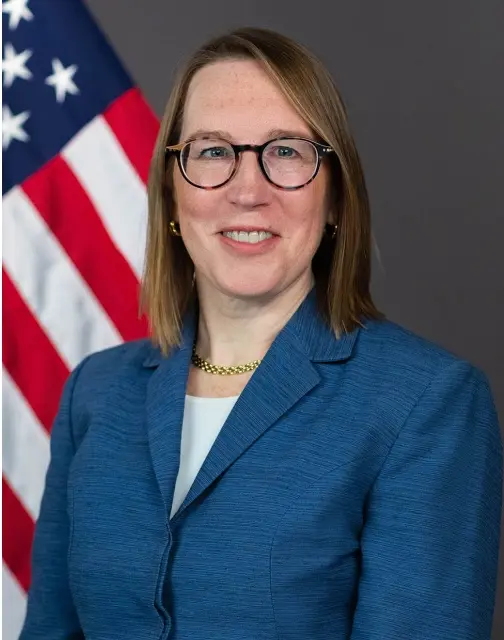
Commissioner Hester M. Peirce announced the proposal in a statement on 18 August, describing it as part of the SEC’s effort to establish “clear, sensible, enforceable rules” for crypto offerings.
The proposed Regulation Crypto Assets framework would introduce a startup exemption allowing offerings of up to $5m over four years, in addition to a larger exemption permitting offerings of up to $75m in any 12 months.
The startup exemption would be available to issuers without the additional reporting requirements attached to the larger fundraising route, while the $75m exemption would require financial statements and reporting.
Both exemptions would require “principles-based disclosures”, while the federal securities laws’ “antifraud and antimanipulation provisions” would continue to apply.
The SEC is also proposing a conditional safe harbour that would allow an issuer to separate a crypto asset from the investment contract with which it was originally associated.
“The safe harbour complements the recent interpretation by the SEC and Commodity Futures Trading Commission (CFTC) of how a crypto asset may cease to be subject to an investment contract,” Peirce said.
She also acknowledged that the proposals will not work for every business model, saying the rules need to be “tailored to changing market developments” and protect investors and market integrity.
Peirce said she would “particularly welcome thoughts on facilitating the ability of crypto assets to serve a role akin to equity” so token holders could “share in the growth and value of the enterprise” behind a crypto network.
The Regulation Crypto Assets proposal will now go through a 60-day public comment period.
Peirce said that the SEC “cannot walk that road alone” and called on stakeholders to submit their views during the comment period.
Why the petrol station?
Peirce introduced the proposal with a story about a stormy night at a New Jersey petrol station, where she had an empty tank but was not allowed to pump the fuel herself because of the state’s rules requiring customers to use an attendant.
The problem was that the attendant then told her she had to do it herself, leaving Peirce trying to reconcile what the rules required with what she was being told to do.
“The moral of that story was that rules should be written so that well-intentioned people can follow them without having to abandon legitimate pursuits,” Peirce said.
She stated that “rules that are sensible, clear, and enforceable” allow businesses pursuing legitimate goals to operate within the law while giving regulators rules they can enforce.
Peirce applied that logic to the SEC’s previous treatment of crypto, saying that “a whole generation” had struggled with the Commission’s insistence on applying rules that were not suited to the industry.
The new proposal, she explained, aims to move away from the past approach, with Peirce describing it as part of a longer process towards improved rules for crypto offerings.
The work has involved the SEC’s Crypto Task Force, public feedback and staff across the Commission, including the Divisions of Corporation Finance and Economic and Risk Analysis and the Office of General Counsel.
CLARITY Act stalls
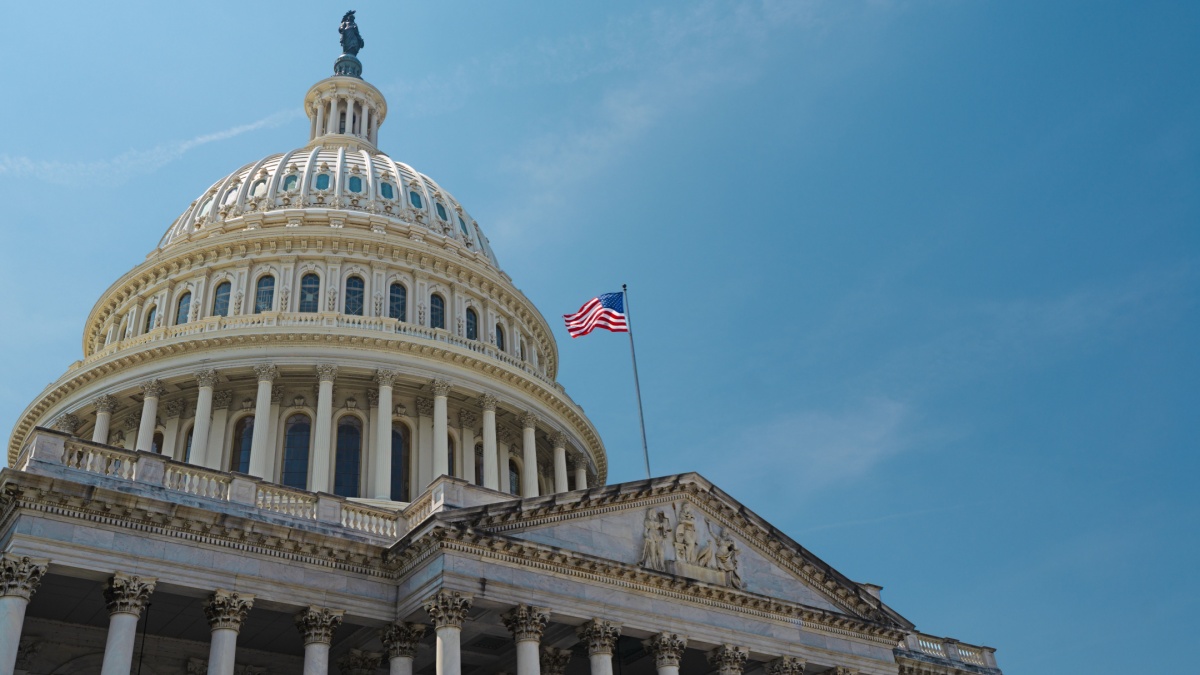
The SEC’s proposal comes as Congress continues to work on the Digital Asset Market CLARITY Act, which would establish a federal framework for digital assets.
The Senate entered its August recess without holding the planned vote on the legislation because Democrats and Republicans failed to resolve several issues. Senate Majority Leader John Thune subsequently filed a cloture motion setting up a vote on the motion to proceed for 15 September.
Negotiators still have disagreements over issues including ethics provisions, illicit finance and how parts of the Senate Agriculture Committee’s crypto legislation would be incorporated.
SEC Chairman Paul Atkins has stressed that the Commission supports the CLARITY Act and that he expects the bill to reach the desk of US President Donald Trump.