Bipartisan bill sets out federal framework for payment providers, combining direct access to Federal Reserve rails with bank-style safeguards
US lawmakers have introduced a bill which would allow certain nonbank payment firms to access Federal Reserve infrastructure directly, in a move aimed at reducing processing layers that can slow transactions and increase costs.
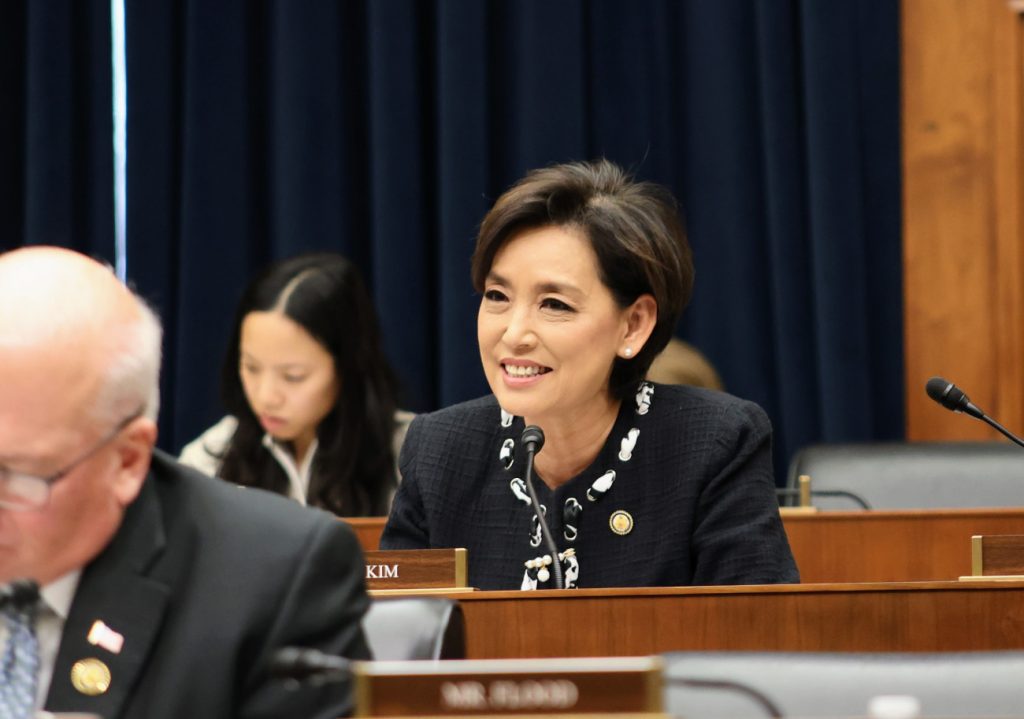
The Payments Access and Consumer Efficiency (PACE) Act of 2026, introduced by Representatives Young Kim and Sam Liccardo on 21 April, proposes a federal registration regime for payment providers alongside a pathway to access core payment systems such as Fedwire, FedNow and FedACH.
Today, most transactions initiated through digital wallets or payment apps are routed through intermediary banks before reaching central bank systems. According to the bill’s accompanying statement, this structure means payments often “pass through multiple layers before it reaches its destination, slowing down payments and adding extra costs along the way.”
The legislation seeks to change that by enabling qualifying firms to connect more directly to those systems.
Federal registration for payment providers
At the centre of the proposal is the creation of a new category of regulated firms known as “registered covered providers.”
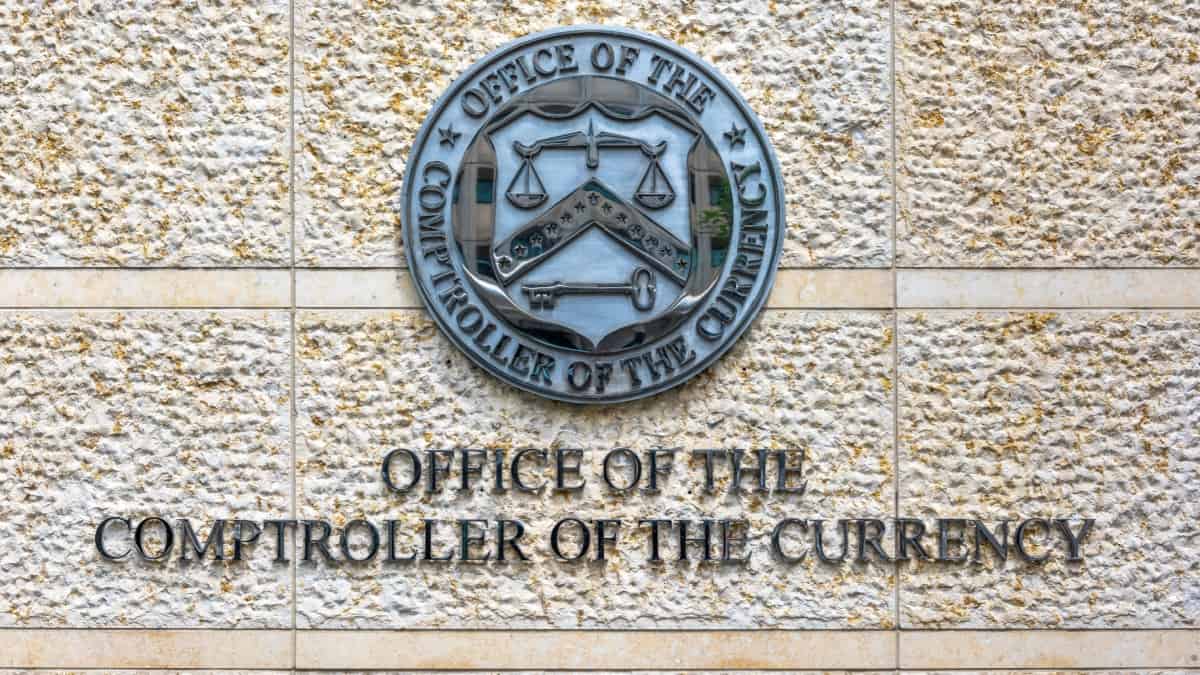
These would include payment companies already operating under extensive state-level licensing or holding certain financial charters. Under the bill, eligible firms could apply to register with the Office of the Comptroller of the Currency (OCC), which would assess applications based on defined criteria, including operational scope, governance, and compliance capabilities.
The legislation states a provider must demonstrate “adequate financial resources, managerial or technical expertise, and a governance system tailored to the business model and risk profile.”
Once registered, firms would be permitted to offer payment services nationwide, replacing the need to operate solely under a patchwork of state licences.
“We can reduce the burden of bank fees borne by too many American families by enabling broader access to innovative payment systems that deliver cheaper, faster, more reliable service,” Liccardo said. “I’m proud to partner with Young Kim on this bipartisan PACE Act, to modernise our payment system for the benefit of millions of cash-strapped Americans.”
Direct access to Federal Reserve payment rails
A key provision of the bill would allow approved providers to apply for a ‘payments reserve account’ at the Federal Reserve.
Such an account would grant access to major US payment systems, including real-time settlement via FedNow and traditional clearing through FedACH.
Supporters of the bill argue this would streamline transaction flows. Kim said the current system leaves consumers “stuck dealing with delays and increased fees due to outdated payment infrastructure,” adding that the proposal would “deliver faster payments, lower costs, and help families and small businesses keep more of their hard-earned money.
“Whether it’s splitting a bill, paying rent, or waiting on a paycheck to clear, Americans are often stuck dealing with delays and increased fees due to outdated payment infrastructure,” said Kim. “Hardworking Americans shouldn’t have to wait days to access their own money or pay extra just to move it. My PACE Act modernises our system to deliver faster payments, lower costs, and helps families and small businesses keep more of their hard-earned money.”
Liccardo added that expanding access to payment systems could “deliver cheaper, faster, more reliable service.”
Reserve and safeguarding requirements
The bill pairs expanded access with a set of safeguarding rules that mirror elements of banking and stablecoin regulation.
Registered providers would be required to hold reserves backing customer obligations on a 1:1 basis, using assets such as cash, insured deposits, or short-term US Treasuries.
It also specifies that such reserves “may not be pledged, rehypothecated, or reused,” placing limits on how customer funds can be managed.
In addition, firms offering custody or wallet-like services would need to segregate customer funds from their own balance sheets and maintain detailed records of ownership.
Oversight, compliance and risk controls
Supervision would fall primarily to the OCC, which would be responsible for approving registrations, conducting examinations and enforcing compliance.
Applicants would need to demonstrate the ability to meet obligations under the Bank Secrecy Act and other financial regulations. The bill also requires that providers operate within a defined scope, limiting activities to those “that directly support or are incidental to the provision of payment services.”
Third-party service providers supporting critical operations could also fall under regulatory scrutiny.
The legislation sets out a specific framework for handling provider failure.
In the event of insolvency, customer claims would be prioritised over most other liabilities, with the bill stating that “outstanding payment obligations to customers” rank ahead of general creditors.
Where funds are properly segregated, they would not form part of the provider’s general estate.
Industry backing
The bill has already drawn support from several industry bodies, including the Financial Technology Association, Blockchain Association, The Digital Chamber and the Crypto Council for Innovation.
Penny Lee, President and CEO of the Financial Technology Association, said the current system leaves users waiting unnecessarily, noting that “American consumers and small businesses shouldn’t have to wait days for a direct deposit to clear,” adding that broader access to federal payment rails would enable “faster transactions, lower costs, and more seamless experiences.”
Summer Mersinger, CEO of the Blockchain Association, pointed to infrastructure access as a longstanding issue, stating that “digital asset payment companies have been locked out of the same financial infrastructure that their competitors have access to,” with the PACE Act providing a route for “qualified nonbank providers to obtain direct access to Federal Reserve payment rails.”
Cody Carbone, CEO of The Digital Chamber, described the bill as a “forward-looking proposal to modernize access to America’s core payment rails,” highlighting its role in creating “a pathway for qualified payments companies to access a subset of Federal Reserve payment services.”