Paper cheques still clear billions in B2B payments. What keeps them alive in the US, UK and France, and what is killing them off
Business-to-business payments have moved almost entirely onto electronic rails over two decades. Nacha reports B2B volume on the US ACH network reached nearly 2.1 billion payments worth $16tn in Q3 2025, up 8.8% year on year and 69% of all value on the network.
However, still paper survives today in corporate payables for practical reasons. For one, a cheque carries remittance data inside the instrument; it needs no acquiring contract or hardware; and it imposes no transaction cap – it’s a familiar means of payment for finance teams reluctant to re-plumb accounts payable.
Payment Expert analyses the state of B2B payments in three markets, looking at how different jurisdictions have evolved alternate B2B payments practices.
United States: cheques hold out
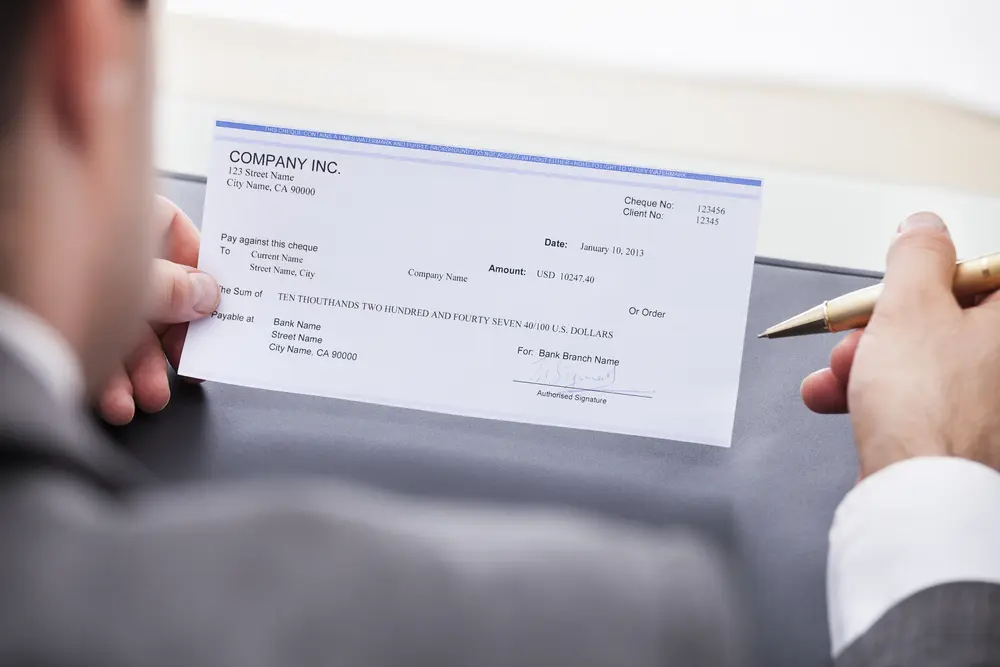
The AFP Digital Payments Survey put the cheque share of B2B payments at 26% in 2025, down from 33% in 2022 and 81% in 2004.
Value has already gone electronic, while cheques linger in transaction count. The remaining users likely skew toward smaller firms and low-frequency payees, for whom switching costs outweigh the saving.
The Federal Reserve, which clears cheques for banks, expects its own forward cheque volume to fall 5.4% across full-year 2025 and projects further decline. No US policy forces the pace, so the decline of cheque use runs on cost and convenience alone, which leaves the deepest legacy cheque base in the developed world still in place.
United Kingdom: cheques on the path to extinction

UK Finance counted 91 million cheques used for payment in 2024, down 17% year on year, at 0.2% of all UK payments. Volumes have fallen a long way, from 1.21 billion cheques in 2009 to 627 million in 2014, 272 million in 2019 and 91 million in 2024.
In the same report, Faster Payments, the UK’s real-time rail, reached 5.6 billion payments in 2024 and now ranks as the second most-used method behind debit cards. For most UK businesses the cheque serves as an occasional fallback for one-off or hard-to-reach payees, and the switch has run almost to completion on market pressure alone.
France: State pushing cheques away
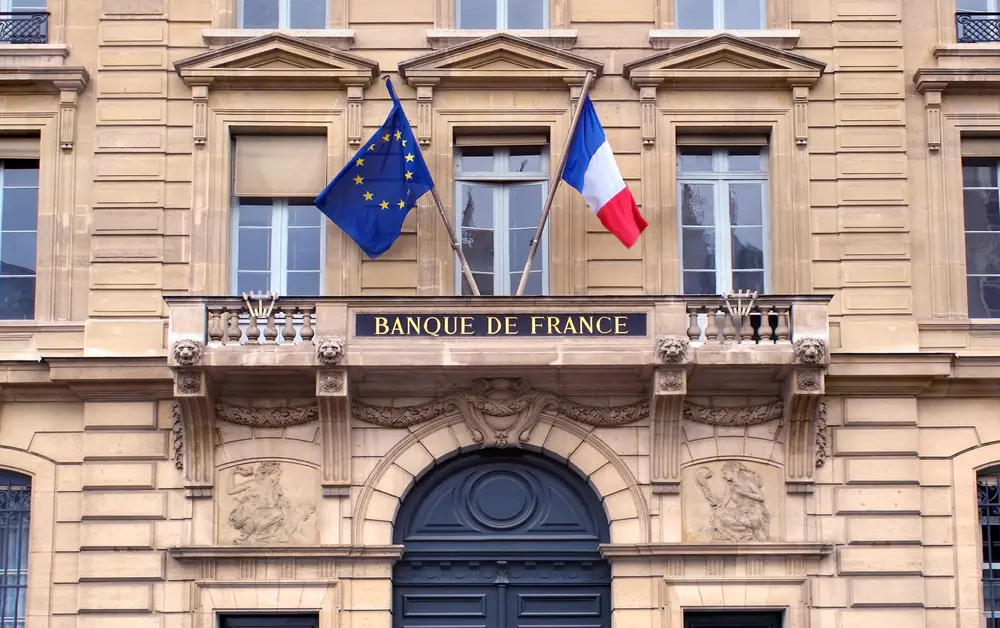
France signed 784 million cheques worth €392bn in 2024, down 12.1% by volume and 16.1% by value. The Banque de France reports France accounted for 87% of all euro-area cheque transactions in 2024.
Under the French monetary code the cheque is free to the issuer, carries no ceiling, which suits large one-off B2B settlements, and stays entrenched among tradespeople and small firms.
The state is now removing the format from its own books. Since March 2026, French businesses and professionals can no longer pay any tax by cheque; the tax authority reports cheques were 5% of the payments it received in 2024 but 30% of its payment-processing cost. SEPA Instant transfers, priced at parity with standard transfers across the EU since January 2025 and so effectively free, remove one of the cheque’s last practical advantages.
Three markets at different points on same path?
US cheques remain prevalent because a large base of smaller firms still finds switching more trouble than it saves, and there is no federal-level mandate to change this, whereas the UK reached near-zero on market pressure alone, as free real-time transfers made the cheque redundant for all but awkward one-off payees.
France, long the outlier, is where the state itself has begun pulling cheque acceptance, closing off the uses a free instant rail had not already taken. On current trajectories, the cheque’s remaining ground is small-business habit in markets without a free instant alternative.