European sovereignty is driving numerous payment initiatives , but is there a chance it will lead to some toes being stepped on?
BNP Paribas has joined a consortium of leading European banks developing a euro-backed stablecoin, expanding the group to 10 members.
The consortium, initially formed in September 2025 by nine banks including ING, UniCredit, CaixaBank and SEB, aims to issue a MiCA-compliant stablecoin which can be used for cross-border payments, digital asset settlement and other on-chain transactions.
A new entity, Qivalis, has been launched in Amsterdam to run the project and has submitted an application for an electronic money licence with the De Nederlandsche Bank.
BNP Paribas said its decision to join the initiative comes amid growing interest in the role blockchain-based tools may play in future payment systems.
According to the consortium, the goal is to create a reliable digital payment option backed by regulated financial institutions rather than private issuers outside the EU. The group said Qivalis will focus on meeting MiCAR requirements, which came into force in mid-2024 and set out rules for asset-referenced tokens and e-money tokens.
Qivalis has named Jan-Oliver Sell as CEO, subject to regulatory approval. Sell previously led Coinbase Germany and held roles at Binance and in asset management. He said the project marks “a watershed moment for European digital commerce,” adding a euro-denominated stablecoin could give companies and consumers a familiar currency for on-chain transactions.
Howard Davies, the former chair of the UK’s Financial Services Authority and RBS, will serve as chairman of the supervisory board.
“This infrastructure is essential if Europe wants to compete globally in the digital economy while preserving its economic independence,” he said.
“We’re not just building payment rails; we’re making sure European values on data protection, financial stability and regulatory compliance are built into the next stage of digital money.”
Qivalis is aiming to launch in the second half of 2026, with current work focused on regulatory checks and technical preparation.
Europe’s Digital Money Debate
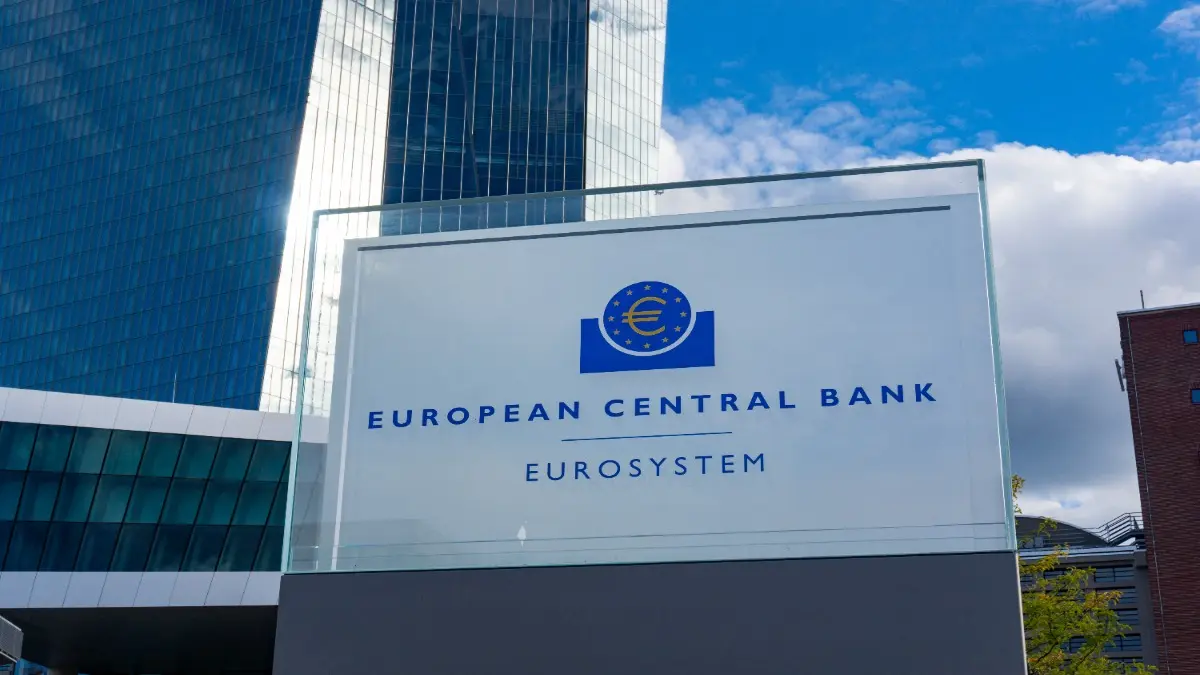
Given the backing of 10 major European banks, the Qivalis project already stands out from several recent stablecoin launches. It could also ruffle some feathers when it comes to the Digital Euro project run by the European Central Bank.
The Digital Euro is a central bank digital currency (CBDC) being explored as a publicly issued form of digital money for everyday payments.
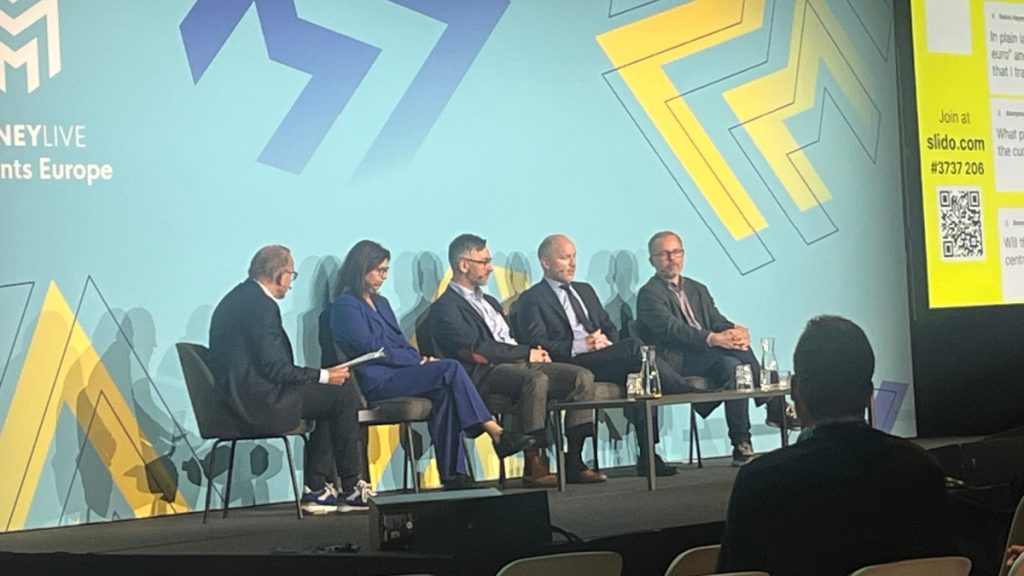
At MoneyLIVE last month, attended by Payment Expert, audience members asked panellists on a digital euro panel to explain the differences between CBDCs and stablecoins, and whether stablecoins could pose a threat to a future digital euro.
Panellists did not refer to Qivalis specifically, but the discussion highlighted how the two types of digital money serve different roles.
Ville Sointu, Chief Strategist for Transaction Banking and Digital Currencies at Nordea, warned against grouping CBDCs and stablecoins together, describing the comparison as “like apples to oranges.”
He said the digital euro is being designed primarily as a retail payment tool, whereas stablecoins come in many forms, with no shared definition or common structure. “Anyone can create a stablecoin,” he noted, stating the regulatory landscape is uneven and often leads to fragmentation.
Even when looking at something as simple as a euro-denominated stablecoin, Sointu said it is still only “a token on a public blockchain,” with no unified approach behind it – though this appears not to be the case this time around.
However, both the Qivalis stablecoin and a potential digital euro share the broader goal of strengthening European sovereignty in payments.
Alexandre Stervinou, Director of Cash and Retail Payments Policy and Oversight at the Banque de France, said the European market is being shaped by three major trends: declining cash use, ongoing fragmentation and competition from US-based firms such as Visa, Mastercard and PayPal.
“Do we want true independence in European payments?” Stervinou asked the audience. He said central banks see the digital euro as one possible answer, explaining just as private money once led to instability before the creation of central banks, Europe now faces a similar challenge in the digital era.
Rivals or complementary projects?
The differences between Qivalis and the digital euro suggest the two could coexist rather than compete, with each serving different purposes while sharing the goal of strengthening European independence.
There has already been some crossover between the initiatives. In 2022, CaixaBank was chosen to develop a mobile application for peer-to-peer digital euro payments.
Additionally, in 2024, UniCredit CEO Andrea Orcel said the digital euro would benefit both the currency bloc and its lenders if banks remained integral to the flow of money. “It’s a matter of sovereignty for Europe: we cannot not have a digital euro,” Orcel said.
Payment Expert has asked Qivalis for its response to this question.