New liquidity management measures will begin rolling out from June as the Eurosystem prepares its payments infrastructure for instant payments, tokenised settlement and future digital euro requirements.
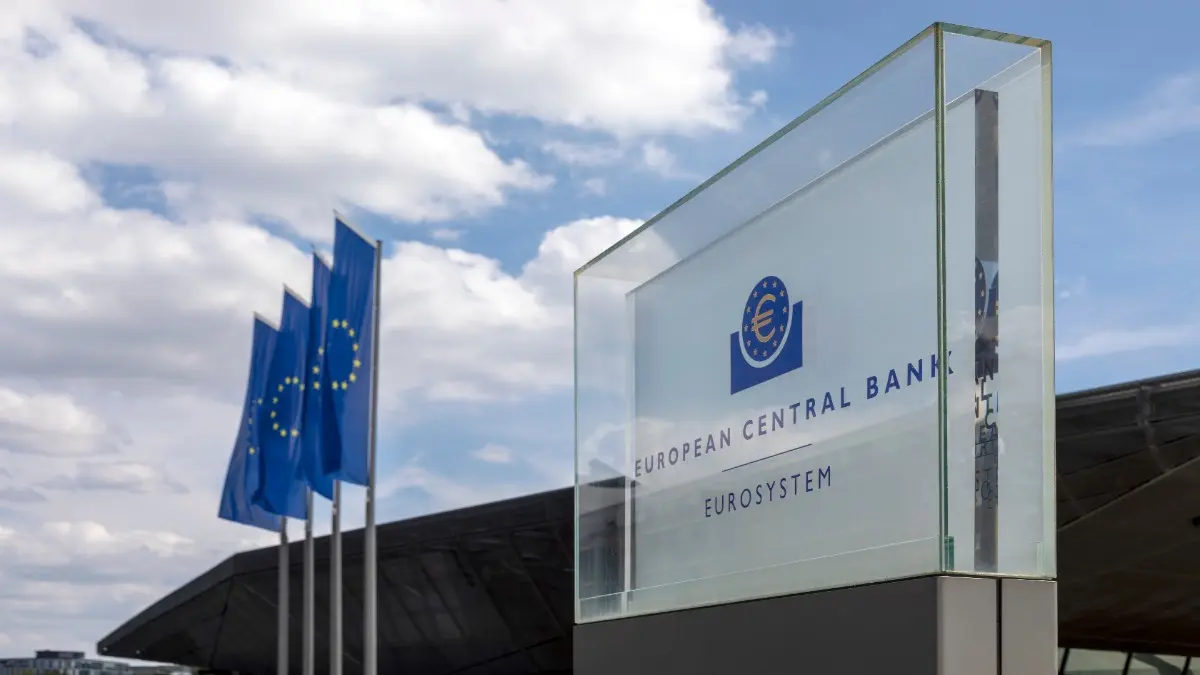
The European Central Bank (ECB) has unveiled a roadmap to extend the operating hours of T2, signalling a gradual shift towards a payments infrastructure designed for a world of instant payments, tokenised assets and potentially a digital euro.
The roadmap follows a public consultation launched in June 2025, which gathered feedback from 125 organisations across 19 countries, including banks, financial market infrastructures and industry associations. According to the ECB, respondents represented more than two-thirds of T2 transaction volumes and values.
Currently, T2’s central liquidity management (CLM) component operates for 22.5 hours on weekdays, while liquidity transfers are unavailable for 48 consecutive hours over weekends. Although TARGET Instant Payment Settlement (TIPS) operates continuously, participants cannot move liquidity between TIPS and other TARGET accounts when CLM is closed.
The ECB’s consultation found that improving liquidity management for instant payments was the most pressing reason for extending T2 operating hours, alongside preparations for future services such as Pontes and a potential digital euro.
The ECB also pointed to the G20’s cross-border payments agenda and efforts by other major central banks to expand the operating hours of their real-time gross settlement (RTGS) systems.
Why the ECB wants longer operating hours
The ECB said the growth of instant payments is creating new liquidity management challenges for banks.
As instant payments settle around the clock, institutions increasingly need access to liquidity outside traditional operating windows. Respondents also highlighted the benefits of greater overlap with other major RTGS systems, which could support cross-border payments and reduce reliance on US dollar liquidity for late-day transactions and margin calls.
Future infrastructure projects also featured prominently in the consultation.
The ECB noted that Pontes, its distributed ledger technology (DLT) settlement initiative, and a potential digital euro could both create demand for liquidity management on a near-continuous basis. Respondents broadly agreed that T2 would need to evolve to accommodate these requirements.
Three measures coming first
Rather than moving immediately towards a fully continuous operating model, the ECB opted for a phased approach.
The first change will see excess reserves held in TARGET accounts automatically remunerated at the deposit facility rate. Scheduled to become operational in June 2026, the measure will apply across TARGET accounts, including TIPS accounts, removing the need for participants to transfer liquidity elsewhere purely for remuneration purposes.
The second measure, also due in June, will introduce rule-based liquidity transfers between TIPS dedicated cash accounts and main cash accounts.
Participants will be able to set predefined floor and ceiling thresholds, enabling liquidity to move automatically when balances fall below or rise above specified levels. The ECB said this should reduce operational and liquidity risks associated with manual transfers.
A third measure will introduce a dedicated weekend settlement window within the next two years.
Under the proposal, T2 will open for one to two hours during most weekends, likely between Saturday evening and Sunday morning, allowing liquidity transfers to and from TIPS. The ECB believes this will help banks manage funding positions during periods when CLM would otherwise be unavailable.
A roadmap towards 24/7
While the immediate focus is on liquidity management, the ECB made clear that it is considering more ambitious changes over the longer term.
Among the options under review are operating CLM on a near-24/7 basis with only limited maintenance windows, extending RTGS operations towards a near-24/5 model, delaying end-of-day cut-off times by up to two hours and opening the Eurosystem Collateral Management System (ECMS) during weekends.
The ECB believes such changes could improve support for 24/7 payment services, strengthen cross-border payment capabilities and increase the international role of the euro by expanding settlement availability. Later cut-off times could also help central counterparties settle late margin calls in euro rather than relying on alternative currencies.
However, the consultation also highlighted significant concerns.
Respondents warned that longer operating hours would require substantial investment in IT systems, automation and staffing. Some also raised concerns about liquidity risks when money markets are closed, as well as increased cybersecurity and operational risks associated with longer system availability.
To refine its plans, the ECB intends to launch a second market consultation towards the end of 2026 or early 2027 before making decisions on further extensions.
Cipollone links T2 changes to broader digital strategy
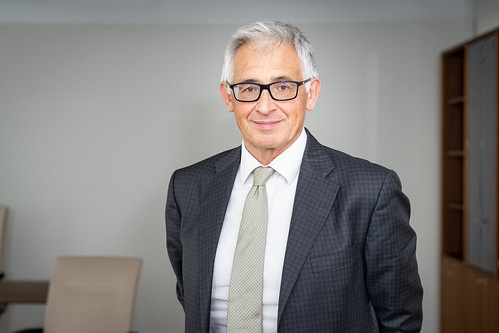
Speaking on the same day as the roadmap’s publication, Piero Cipollone, Member of the ECB Executive Board, framed the extension of central bank infrastructure as part of a wider effort to modernise money for a digital economy.
In a speech focused on retail payments, tokenisation and cross-border payments, Cipollone argued that central bank money must adapt to technological change or risk becoming less relevant across parts of the financial system.
He highlighted the launch of Pontes in the third quarter of 2026, which will connect distributed ledger technology platforms to TARGET Services and allow tokenised asset transactions to settle in central bank money. He also reiterated plans for a digital euro pilot from 2027, subject to legislative approval.
Those projects were repeatedly identified throughout the T2 consultation as future drivers of demand for near-continuous liquidity management, suggesting that the extension of operating hours forms part of a broader ECB strategy to prepare its infrastructure for digital settlement models.