Ministers move to unify oversight of traditional and digital payments, with stablecoins and AI-driven transactions in scope.
The UK government will consult on creating a single regulatory framework for payments, bringing stablecoins, tokenised deposits and traditional e-money under one regime as part of a wider fintech package unveiled during UK Fintech Week, which started today (21 April).
The measures, announced in London, form part of a broader effort to modernise payment services regulation and strengthen the UK’s position as a destination for fintech investment.
City Minister Lucy Rigby, speaking during the week’s events, said the reforms are intended to build “a payments ecosystem that is secure, competitive and fully equipped to harness the opportunities created by rapid technological change”.
Stablecoins, open banking, and AI agents
The government said it intends to create a single, coherent framework for both traditional and tokenised payments – covering stablecoins and tokenised deposits – and to provide the Financial Conduct Authority (FCA) with new powers to effectively regulate the development of open banking payment schemes within commercial frameworks.
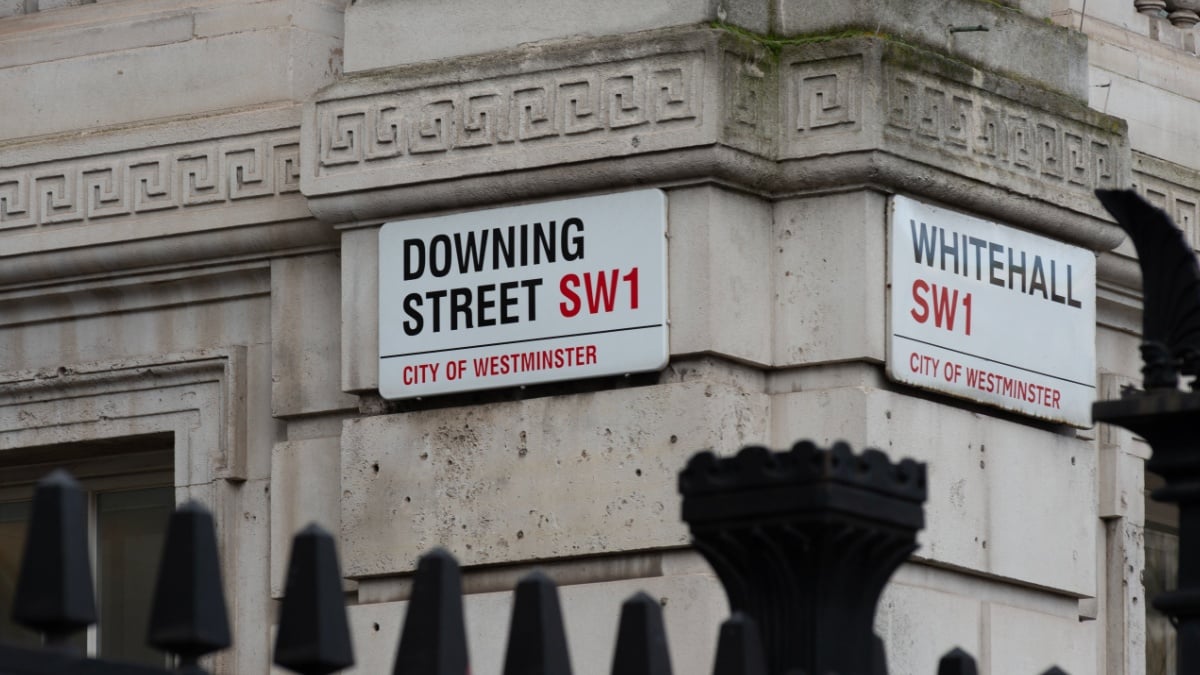
The package also commits to exploring how payment services regulation should adapt to transactions conducted by AI agents, a signal that Downing Street is moving to get ahead of the operational realities of agentic finance before they outpace the rulebook.

Lars Weber, UK Managing Director at Zeller, tells Payment Expert the announcement represented “a positive, pro-innovation shift,” adding that regulating stablecoins for retail payments offered a direct response to the speed and cost pressures merchants face.
“By moving stablecoins into the mainstream, we can transition to a world of instant, 24/7 liquidity,” he said. “This means local businesses no longer have to wait for ‘banking days’ to access their own revenue.”
New data from Zeller suggests poor checkout experiences put over £22.7bn ($30.6bn) in payments at risk annually, a figure Weber said explains why regulatory progress needs to translate into tangible improvements at the checkout.
Woolard appointed to drive tokenisation push
Alongside the regulatory reforms, the government announced the appointment of Chris Woolard CBE as Wholesale Digital Markets Champion. Woolard, a partner at Ernst & Young (EY) and former interim CEO of the FCA, will lead work to build a tokenised wholesale financial markets system.
He said the role would require “open two-way dialogue between the private and public sectors” to enhance the UK’s global competitiveness in digital markets.
The appointment fulfils a commitment made under the government’s Wholesale Financial Markets Digital Strategy, published last July as part of the Leeds Reforms.
HM Treasury also confirmed an additional £1m in funding for the Centre for Finance, Innovation and Technology (CFIT) and set out its response to the consultation on bringing the Payments Systems Regulator into the FCA, a move which has been under active discussion since last year.
After helping spearhead a campaign to see the UK take a leading role on stablecoins, Innovate Finance CEO Janine Hirt said the UK had “all the ingredients to be a global superpower in fintech, payments and capital markets by leading in open banking, digital assets and stablecoin, and agentic AI.” She welcomed the appointment of Woolard as a vehicle for mobilising industry around the government’s strategic ambitions.
Infrastructure must keep pace with regulation

For Anthony Yeung, Chief Commercial Officer of CoinCover, while the government’s focus on stablecoins and tokenisation was “directionally right,” regulation alone will not be enough to drive institutional adoption, he tells Payment Expert.
“Beyond regulatory frameworks, institutions require confidence in the operational resilience of the underlying infrastructure,” he said, pointing to custody models, key management, and disaster recovery as critical components.
“The real measure of success will not be how quickly rules are implemented, but whether the ecosystem is built with resilience, recoverability, and operational integrity at its core.”
The government said it will shortly publish a consultation inviting the payments sector to give feedback on the proposed reforms.