With the US and EU both pushing ahead on stablecoin frameworks, peers warn that Bank of England caution could cost the UK its chance to anchor a competitive sterling-backed market
A cross-party House of Lords committee has called on the Bank of England to ease its proposed stablecoin rules, warning that overly conservative requirements could stifle a nascent sterling-backed market before it gets started.
The Financial Services Regulation Committee, chaired by the Conservative peer Baroness Noakes DBE, published its report – Stablecoins: waiting for regulation – urging the central bank to reconsider two specific proposals: caps that would limit individual stablecoin holdings to £20,000 ($26,800) per coin and business holdings to £10m , and a requirement for stablecoin issuers to hold large portions of reserves as unremunerated deposits at the central bank.
On the holding limits, the committee said: “Given the early stage of the GBP stablecoin market, rather than pre-emptively impose holding limits, the Bank should consider monitoring the growth of the market and imposing holding limits only if the financial stability risks clearly warrant it,” the committee said.
The committee also noted on reserve requirements the proposed rules “could have a significant impact on the business viability of stablecoin issuers in the UK”.
The Bank of England is already listening – but slowly
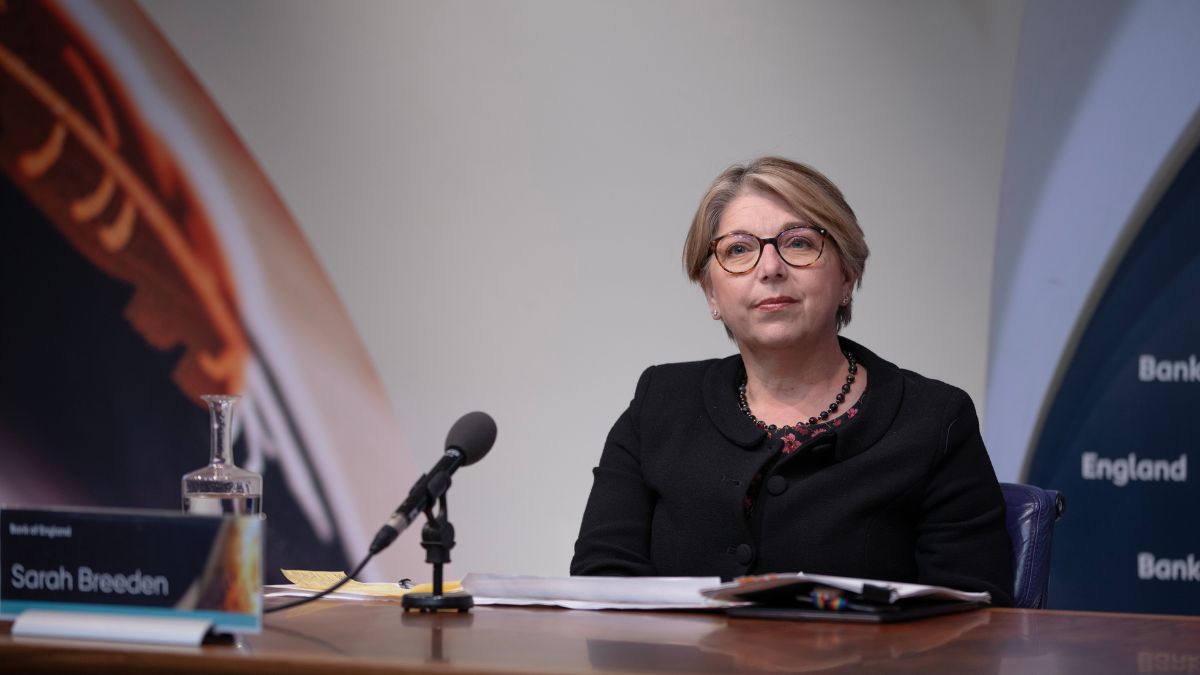
The Bank of England has not been entirely deaf to these concerns. Sarah Breeden, Deputy Governor for Financial Stability, has already said to the Financial Times the original proposals were “overly conservative,” and said the bank is “looking very hard at whether there are different ways we can manage what we think is an important risk as stablecoins come into play”.

Industry experts have warned that GBP stablecoins could simply be issued from Dublin to avoid UK rules, raising the question of whether the Bank of England wants to regulate the most-used GBP stablecoin or watch it emerge from another market. Breeden has acknowledged this, and the revised approach changes focus from consumer-level limits to issuer-level controls.
But for the Lords committee, it is not moving fast enough. Its report urges the Bank of England, the FCA and HM Treasury to stick to their published timetable, warning that any slippage will entrench the dominance of dollar-backed tokens and leave UK challenger banks, payment firms and small businesses on the wrong side of an emerging global infrastructure.
The competition is not waiting
The urgency is understandable when you look at what is happening elsewhere. The passage of the GENIUS Act in July 2025 – a landmark bipartisan US stablecoin law – has ignited fresh debate about the risks such developments may pose to rival jurisdictions, not least the UK.
The EU moved earlier still. MiCA has applied to stablecoins since June 2024, distinguishing between e-money tokens that track a single currency and asset-referenced tokens that follow a basket of assets, a framework that, whatever its flaws, at least exists.
Only a small number of jurisdictions have brought stablecoin regulation into force thus far, including Japan, the EU and Hong Kong. The UK is not among them.
Global divergence is widening as the EU prepares MiCA 2 and the US accelerates GENIUS Act implementation, with comment deadlines falling in June 2026. The window for the UK to set a framework that is competitive, credible and its own is narrowing by the quarter.
Baroness Noakes said: “The global stablecoin market is dominated by US dollar stablecoins and evolved to serve cryptoasset trading.”
A GBP stablecoin market would serve a different purpose – cheaper and faster domestic payments, a use case for businesses and consumers. But it will not materialise if the rules make it commercially unworkable from the start.