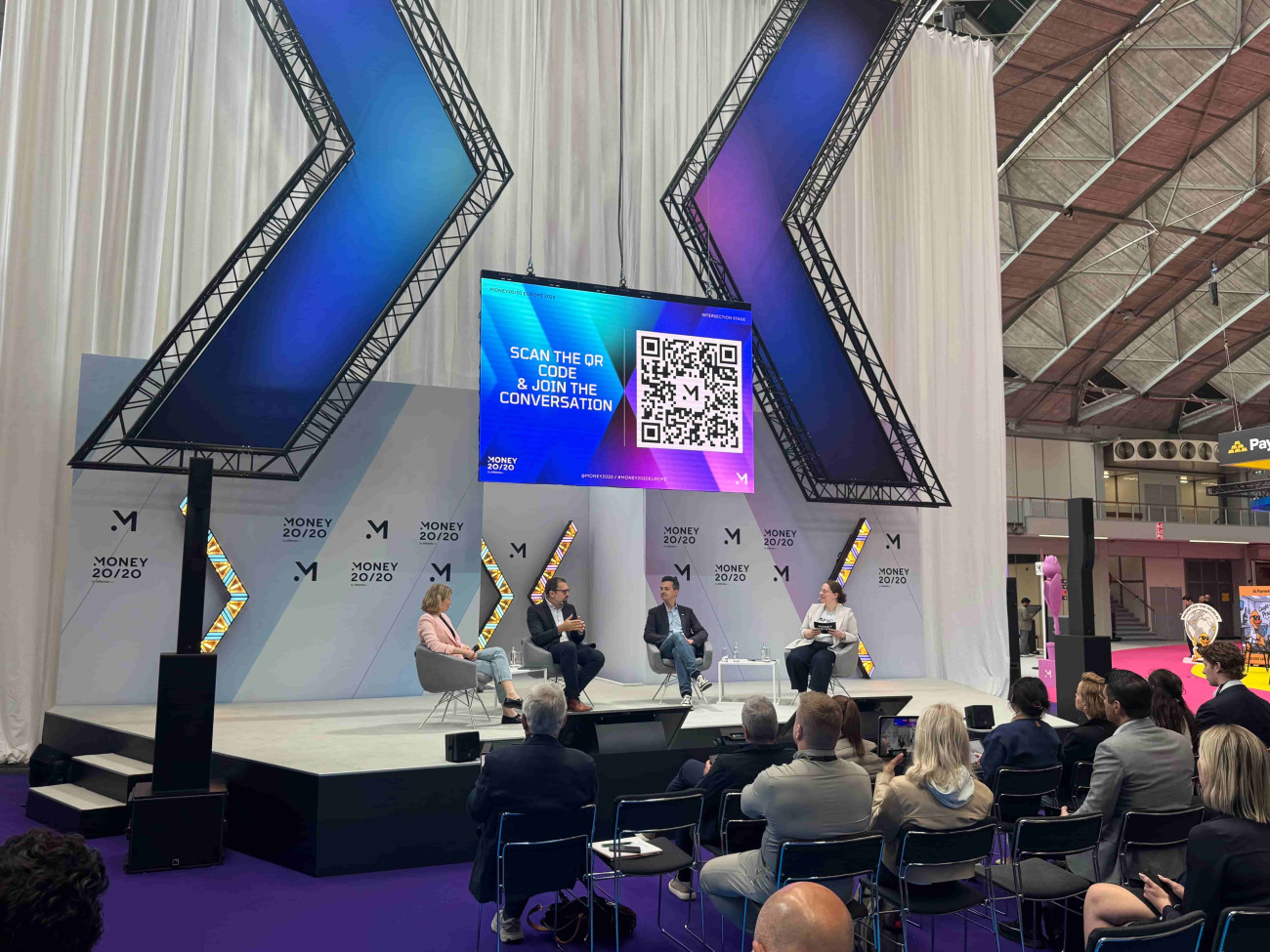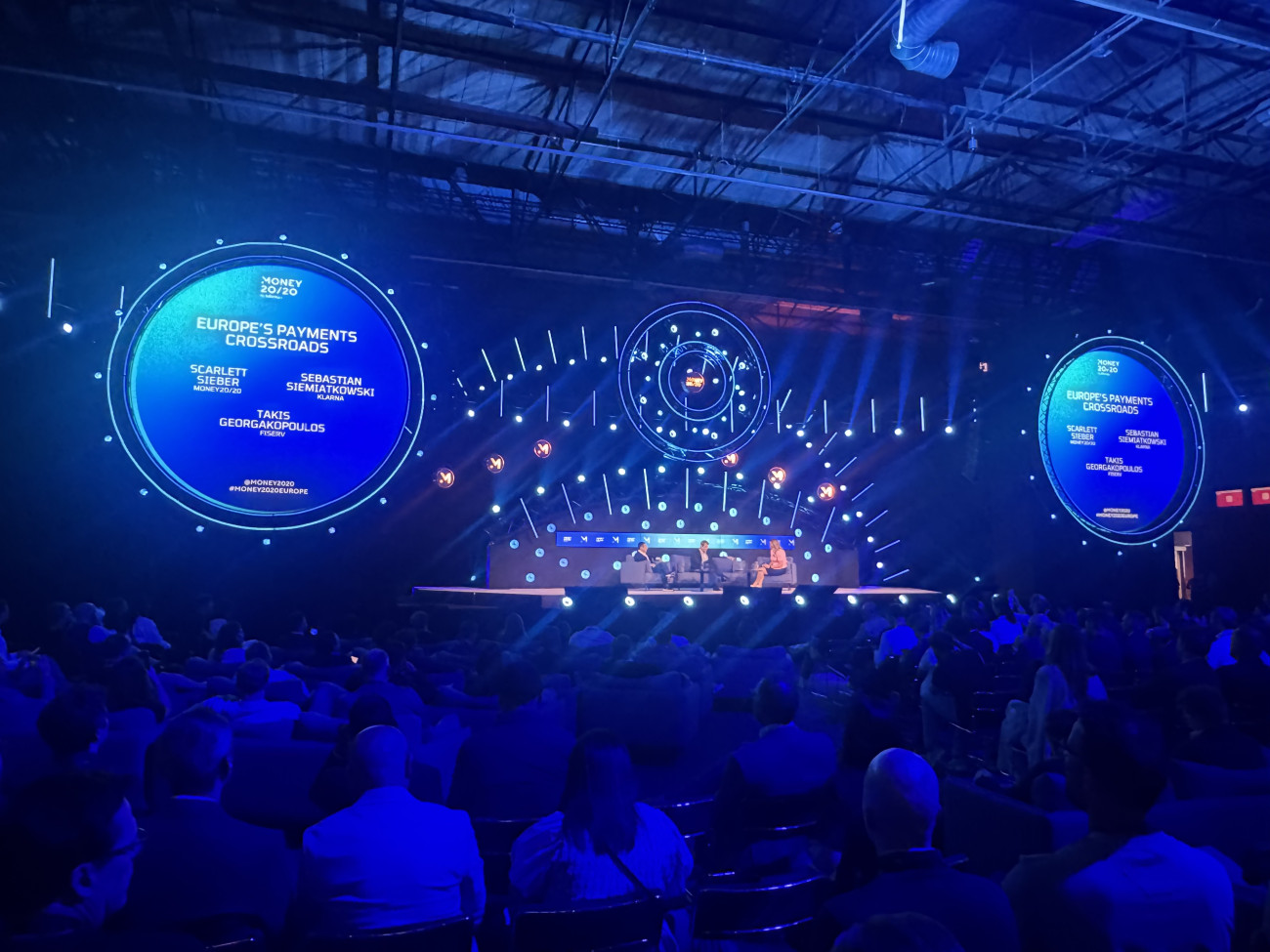
Payment Expert heads to Money20/20 Europe this June, bringing readers live coverage, industry interviews, and editorial analysis from one of the biggest stages across the global payments calendar
In 1971, Liza Minnelli appeared in Cabaret and sang the famous line: “Money makes the world go round.”
A quarter of a century later, and the payments industry might argue that data, algorithms and regulation deserve a verse of their own.
Money still sits at the centre of the global economy, but the infrastructure which moves it is undergoing one of its most significant periods of change in decades. AI is beginning to make purchasing decisions, tokenised assets are edging closer to mainstream financial markets, and regulators across Europe are rewriting the rules that govern payments.
Any one of those developments would be enough to dominate a conference agenda. This year, they are arriving simultaneously at Money20/20 Europe in Amsterdam.
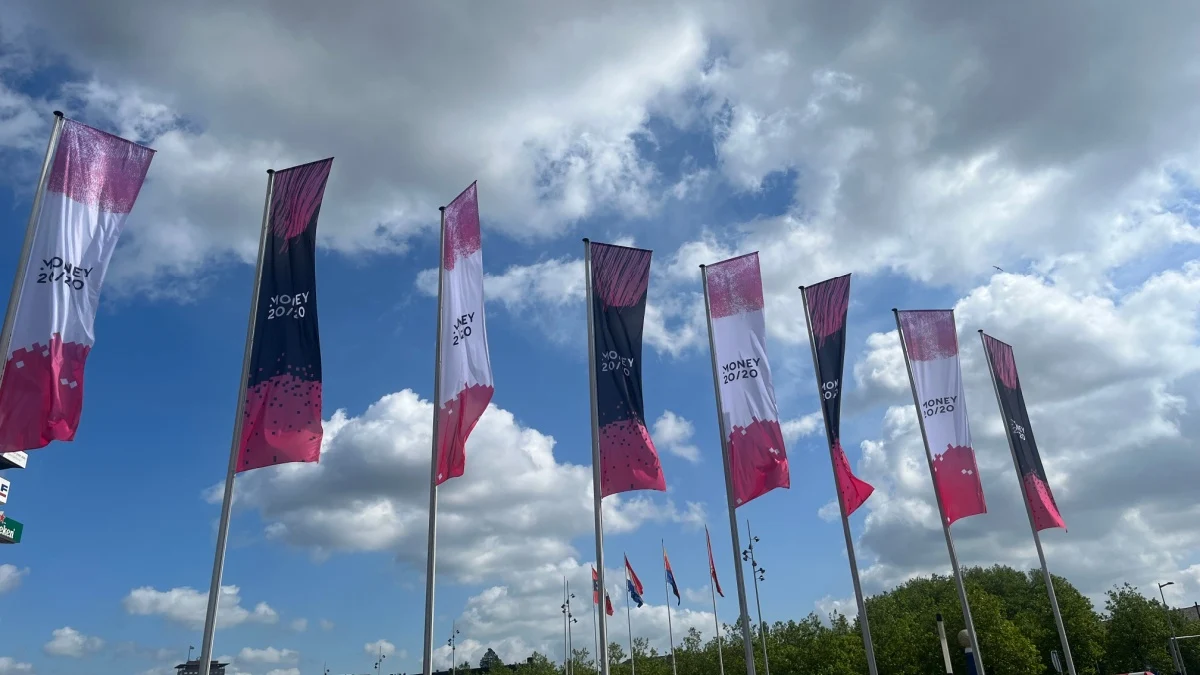
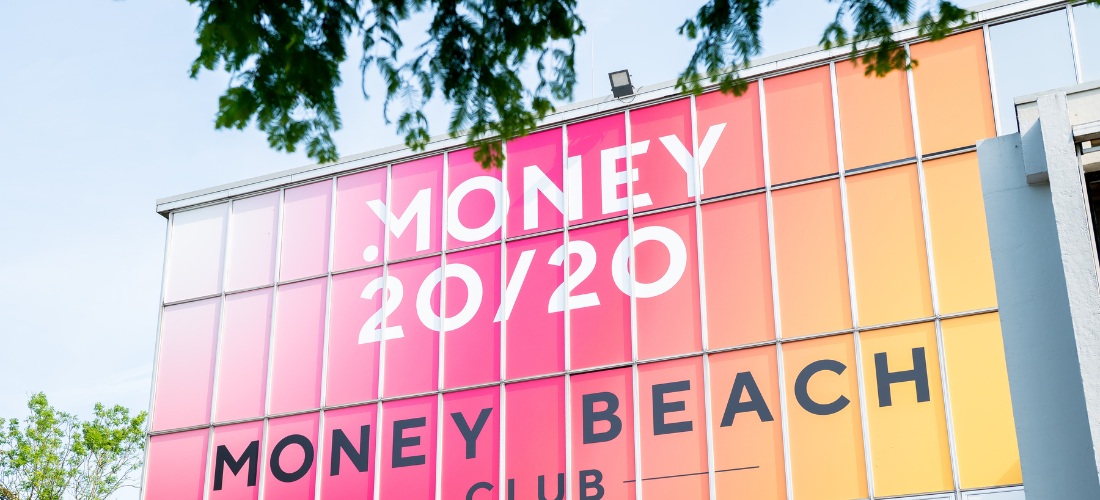
Payment Expert is proud to announce that it has been confirmed as a media partner of Money20/20 Europe.
Taking place at the RAI Amsterdam Convention Centre, the 2026 iteration of the conference arrives alongside a period of rapid regulatory change, spanning the Payment Services Regulation (PSD3), the Instant Payments Regulation, FiDA, DORA, the AML Package, the EU AI Act, MiCA, and national e-invoicing mandates.
For your chance to attend Money20/20 Europe 2026, register via the link here and use the discount code PAYEXPERT200 for €200 off your ticket purchase.
The Payment Expert team will be on the ground throughout. Here are four themes we expect to define the conversation.
1. AI and the agentic age
In March 2026, Mastercard, Santander, and PayOS completed Europe’s first live end-to-end payment executed by an AI agent using live payment infrastructure, and an achievement which highlights how fast the technology has evolved, and also the scale of the cross-collaboration in the industry to make it work.
Agentic AI will likely have a significant impact on payment stacks, with software agents which interpret objectives, coordinate transactions, and interact autonomously across digital services able to lower transaction and operational costs, improve liquidity, and enhance compliance processes.
A thorny governance question looms over the longer-term adoption of agentic AI, however, with the EU AI Act enforcement beginning in August and regulators across the US, EU, and UK taking divergent approaches. While most firms are building agentic AI capabilities quickly, they are doing so without a settled rulebook.
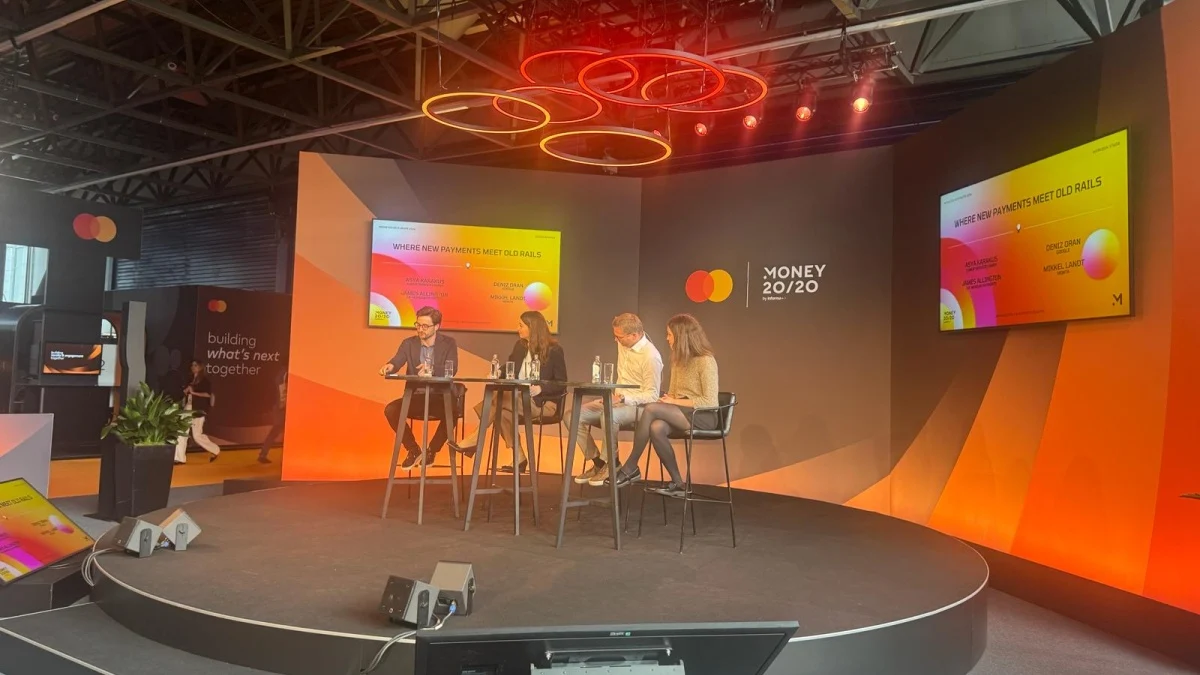
“Building Intelligent Banks on Modern Platforms” on Money20/20’s Horizon Stage will examine how institutions are restructuring their core payment architecture to support their agentic AI ambitions, and how far the underlying infrastructure has actually caught up.
2. “The Great Rebundling“
Merger and acquisition activity in 2025 marked an era of consolidation in the payments industry: Global Payments’ $24.25bn acquisition of Worldpay, Mollie‘s €1.05bn acquisition of GoCardless, and a broader pattern of incumbents acquiring infrastructure providers have all occurred as payments firms seek to resolve accumulated technology debt.
Money20/20 calls this “The Great Rebundling”, and it will be one of the core pillars at this year’s show.
Notwithstanding activity at the top of the market, SMEs continue to be disproportionately affected by payment friction due to fewer banking relationships and tighter cash flow, and for all the consolidation happening in the M&A space, the experience at the SMB level has been slow to improve.
“From Friction to Flow: Fixing the SMB Banking Customer Experience” will test how much of the promise to support SMEs has translated into practice.
3. Can the ‘money stack’ be rewired?
The Eurosystem published its comprehensive payments strategy in March 2026, outlining its position on tokenised settlement assets, including tokenised deposits; 2026 also marks when both sides of a payment transaction can operate on-chain, enabling true delivery-versus-payment and 24/7 settlement across jurisdictions as tokenised deposits mature alongside tokenised securities.
This moves the institutional debate firmly into questions of implementation, interoperability, and risk rather than viability.
“Tokenised Bank: Disruption or Distraction?” will examine whether the technology is genuinely restructuring how payments settle between institutions, or whether the hype is running ahead of the current reality.
4. Regulation in the fast lane
Elsewhere, Europe’s payments rulebook is being rewritten at speed. PSD3 and the Payment Services Regulation, which repeal and replace PSD2 and the Electronic Money Directive, were put before national representatives for approval in late April 2026, with formal adoption expected in the coming months.
This will bring expanded fraud liability, mandatory IBAN and name checks, and a single licensing framework that collapses separate EMI and PI regimes in the European market.
Alongside this, by November 2026, all EU governments must make at least one certified digital identity wallet available to citizens and businesses under eIDAS 2.0, with banks and payment institutions required to accept those wallets as a method of strong customer authentication from 2027, restructuring how authentication and onboarding are built across the bloc.
During this year’s Money20/20, “Rewiring the Identity Stack in the eIDAS 2.0 Era” will address what this means for payment providers whose KYC infrastructure was built for a different regulatory environment.
Payment Expert will be delivering coverage from the floor across all three days. You can keep up to date with our coverage through our social channels and by subscribing to our newsletter.
Attend Money20/20 Europe and claim €200 off your ticket exclusively through Payment Expert – register here. Use discount code PAYEXPERT200 at checkout.