Frustration is growing in the crypto community, with some questioning whether Coinbase is slowing the CLARITY Act to protect its own business interests.
Coinbase has rejected the latest Senate draft of the Digital Asset Market Clarity Act, the second time the exchange has publicly opposed revisions.
Senate negotiators are pushing a new compromise draft to revive the bill, which passed the House in July 2025 with a vote of 294–134. In January, Coinbase’s earlier opposition forced the Senate to pause a markup hours before it was scheduled.
At the time, Coinbase CEO Brian Armstrong took to X to criticise the draft, highlighting restrictions on stablecoin yields, tokenised equities and DeFi rules, and warning it would weaken the Commodity Futures Trading Commission (CFTC) and “stifle innovation.”
Despite stepping back in January, Coinbase said it was still engaged with lawmakers and open to revisions.
Why Coinbase is still not happy
The latest Senate Banking Committee draft keeps a strict ban on paying yield on stablecoin balances held by users – whether paid by the issuer directly or structured through a third party to achieve the same effect.
The draft also limits reward programmes linked to stablecoins. Some incentives tied to transactions, subscriptions or loyalty schemes could be untouched, but Coinbase’s USDC rewards programme would be restricted.
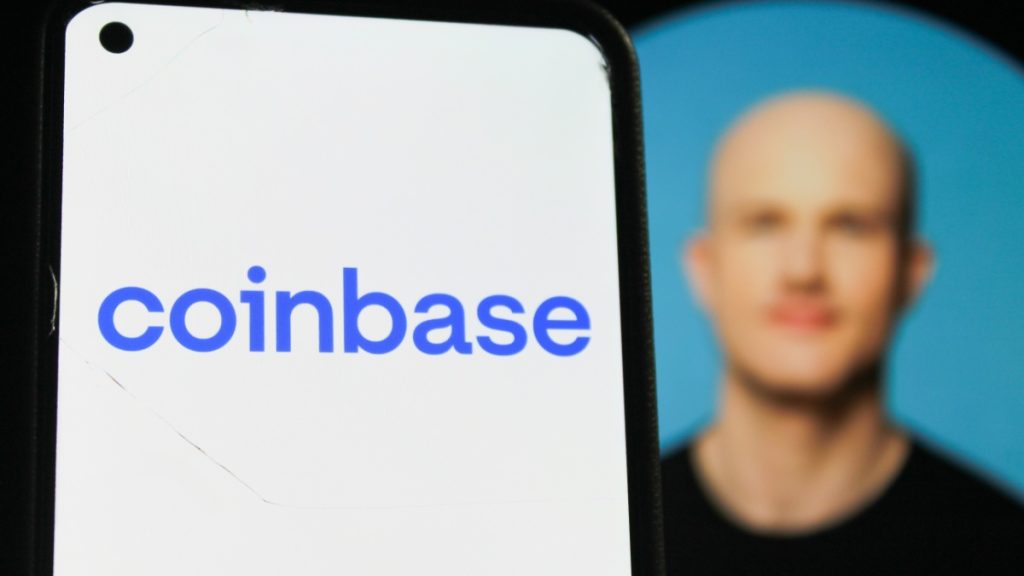
This is a huge concern for the exchange, with stablecoin-related revenue topping $1.3bn in 2025 and some estimates suggesting up to $800m could be at risk if yield payments are banned.
A large part of this stems from its partnership with Circle, where Coinbase earns interest on USDC reserves while distributing rewards to users, a model the CLARITY Act would effectively bring to an end.
Further criticism has focused on draft provisions covering tokenised equities and increased reporting requirements for decentralised finance activity, which Coinbase argues could prove intrusive and risk undermining both privacy and innovation.
Senators Thom Tillis and Angela Alsobrooks helped draft the compromise, aiming to provide clear rules while still allowing room for financial innovation. However, Coinbase’s decision not to support the draft shows the exchange still doesn’t see it as workable.
Industry reactions and next steps
Before Coinbase rejected the CLARITY Act for a second time, pressure was already mounting to get the legislation over the line, with calls coming from the very top of government.
Earlier this month, Ripple CEO Brad Garlinghouse shared a post on X highlighting a TruthSocial post from President Donald Trump which urged lawmakers to pass the CLARITY Act, stressing delays would harm the US crypto industry and the broader public interest.
Many in the crypto community are also pushing for regulatory clarity, with social media showing frustration at Coinbase, including suggestions the company may be slowing the act to protect its own interests. One widely shared post on 25 March 2026 came from commentator Nico Cabrera, who called for Armstrong to stop holding back an entire industry for one business model, arguing that delaying the bill now could push meaningful reform into the next decade.
While the Coinbase CEO has not publicly posted about the latest draft, he has consistently stressed that the company intends to stay engaged and help achieve a workable version of the legislation rather than block it.
An important legal aspect to note is there is no requirement for Coinbase’s support to pass the bill, leaving the Senate free to advance it without the exchange’s endorsement.
David Sacks, former White House AI and Crypto Czar, said in January that market structure legislation “remains as close as it’s ever been” and urged the industry to resolve remaining differences.
Adding another twist, Sacks completed his term on 26 March 2026 and will transition to co-chair of the President’s Council of Advisors on Science and Technology (PCAST), with no replacement yet named or any details of when to expect an update.