The Bank of England will replace historical figures with wildlife imagery on its next banknote series following a public consultation
The Bank of England has confirmed the next generation of UK banknotes will feature native wildlife imagery, marking the first major thematic shift in the design of sterling notes in decades.
The decision announced today (March 11) follows a public consultation conducted by the central bank, in which the nature theme received the highest number of nominations from respondents.
For more than 50 years, UK notes have featured historical figures ranging from scientists and economists to writers and political leaders. According to the Bank, the consultation revealed strong public support for imagery reflecting the UK’s natural environment.
60% of respondents to the survey selected nature as one of their preferred themes. Architecture and landmarks was the second most popular at 56%; this was followed by notable historical figures at 38%; arts, culture, and sport at 30%; innovation at 23%; and noteworthy milestones at 19%.
The BoE said wildlife imagery was particularly suited to banknote design because it can be integrated effectively with security features that the public can easily recognise. A second consultation will take place later this year, asking the public to nominate specific animals and species to appear on the new notes.
“I was delighted by the level of public engagement during our banknote theme consultation last year. The response underlines how important banknotes remain to people,” said Victoria Cleland, Chief Cashier at the BoE.
“The key driver for introducing a new banknote series is always to increase counterfeit resilience, but it also provides an opportunity to celebrate different aspects of the UK. Nature is a great choice from a banknote authentication perspective and means we can showcase the UK’s rich and varied wildlife on the next series of banknotes.”
Expert panel to guide selections
To support the design process, the BoE plans to assemble a panel of wildlife specialists from across the UK who will help curate a shortlist of species. Katy Bell (Ulster Wildlife), Gordon Buchanan (wildlife broadcaster), Miranda Krestovnikoff (wildlife broadcaster), Steve Ormerod (Cardiff University), Nadeem Perera (wildlife broadcaster), and Dawn Scott (Nottingham Trent University) have been selected.
The final designs may also include other elements of nature, such as plants, landscapes, or habitats, alongside the wildlife imagery.
While the announcement focuses on imagery, the redesign process is also part of the Bank of England’s broader work in maintaining trust and security in physical currency.
Modern banknote redesigns typically incorporate upgraded anti-counterfeiting technology, including advanced printing techniques and visual security elements.
These updates are particularly important as polymer notes remain in circulation for longer periods and are used globally.
Cash remains a core payments rail
The move comes at a time when digital payments dominate UK consumer spending, but cash remains an essential payment method for millions.
According to Bank of England data, cash continues to play a critical role in financial inclusion and resilience, particularly during outages or crises affecting digital payment systems.
Central banks globally have therefore continued investing in banknote innovation, even as they explore digital currencies and modern payment rails.
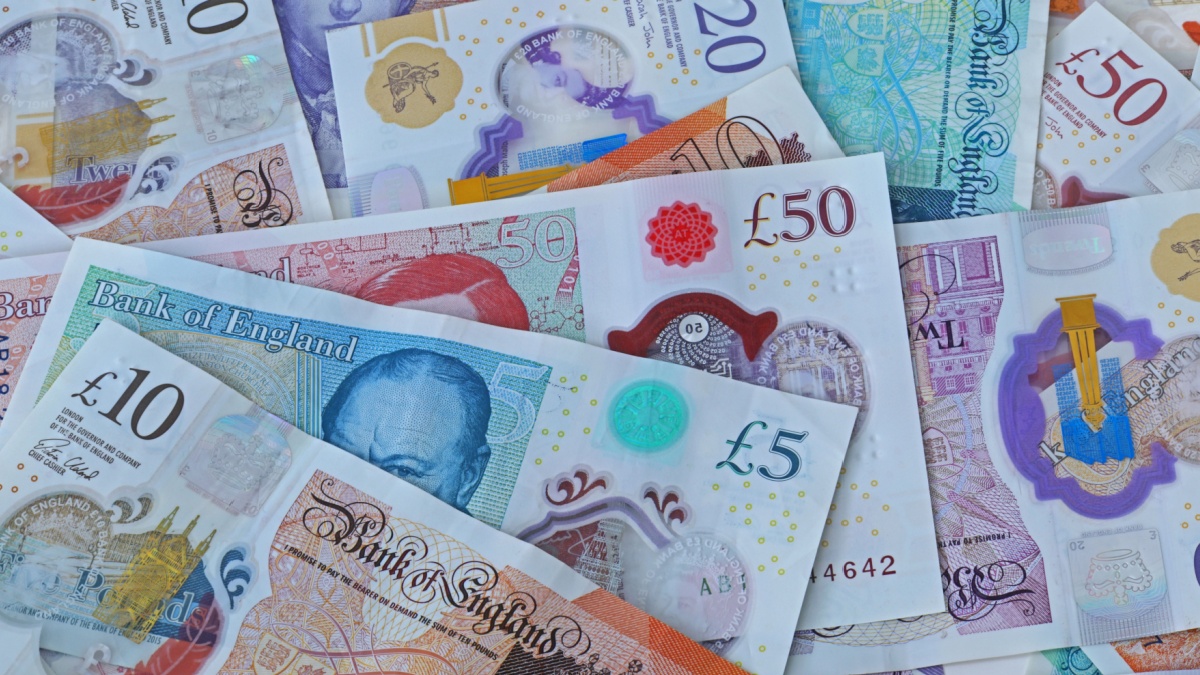
The first of the current series of banknotes was the £5 issued in September 2016. This was followed by the £10 in September 2017, the £20 in February 2020, and the £50 note in June 2021. The current series of banknotes features portraits of Winston Churchill (£5), Jane Austen (£10), JMW Turner (£20), and Alan Turing (£50).
The Bank has been issuing banknotes since its founding in 1694. Until the 1920s, all the Bank’s notes had a single-sided, calligraphic design. Multi-coloured, graphic designs were introduced in the late 1920s. Historical figures were introduced in 1970.
The BoE will launch its second public consultation later this summer, allowing the public to vote on which species should appear on the notes. Final designs, production timelines, and circulation dates are expected to be announced after the consultation process concludes.