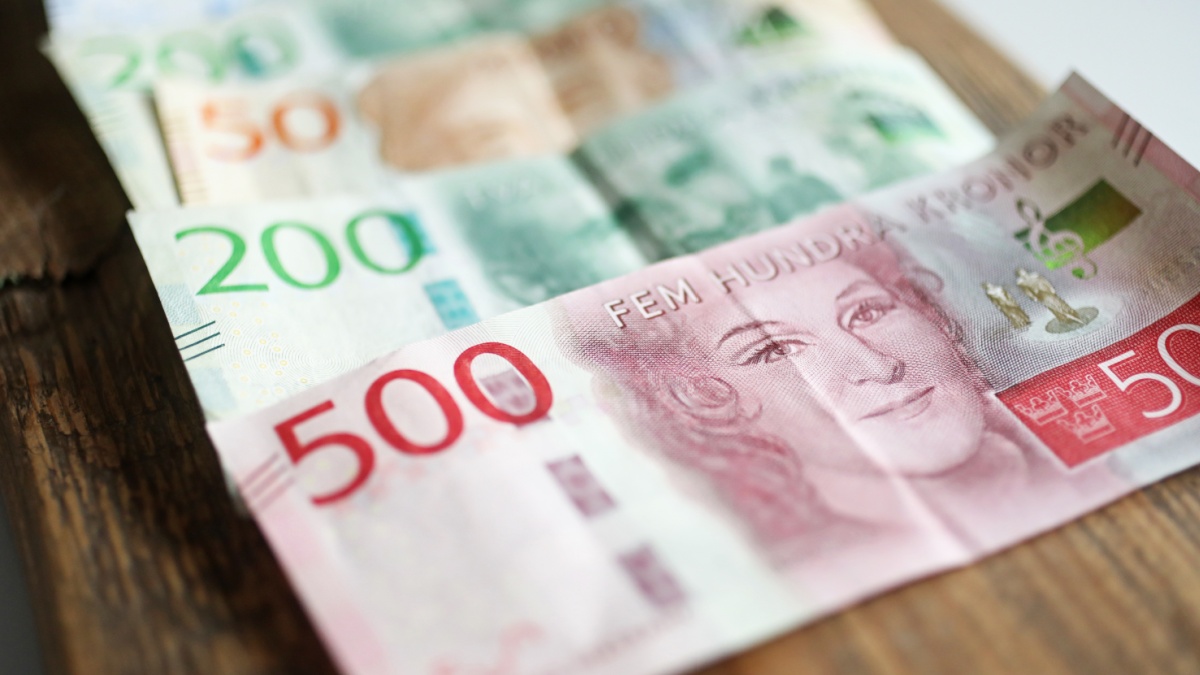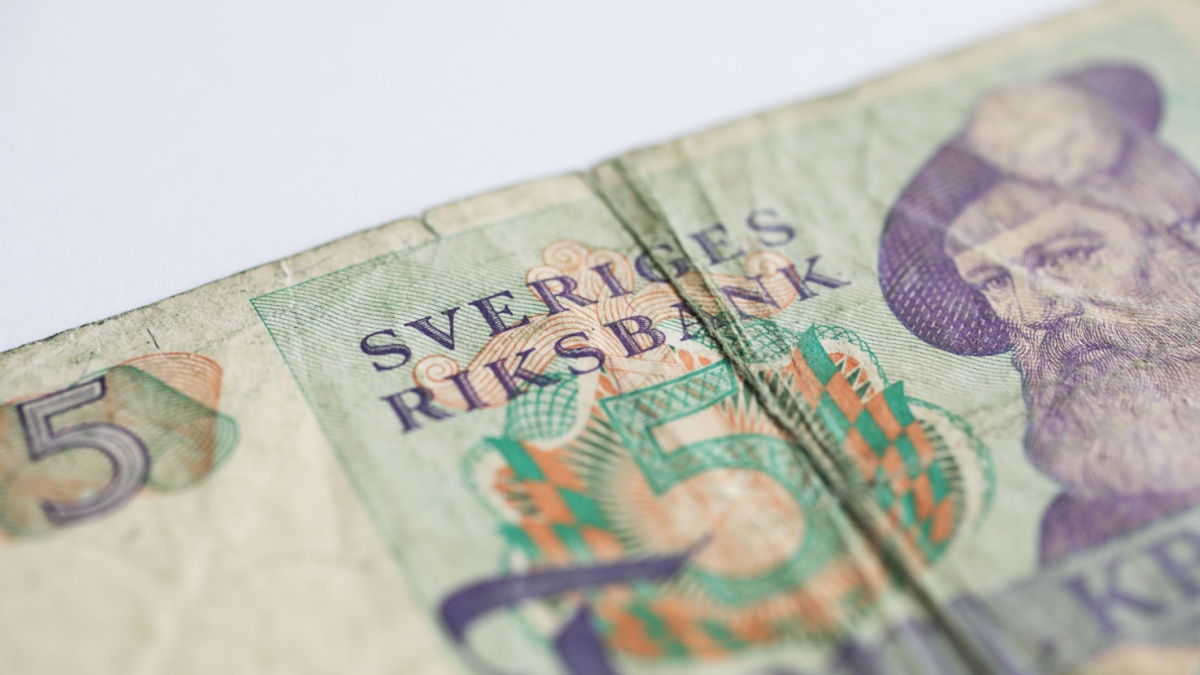
The Swedish central bank has advised households to maintain access to multiple payment methods, including cash, as it warns that highly digitalised payment systems may prove vulnerable during crises.
Sweden’s central bank has urged households to hold cash and maintain access to multiple payment methods, warning that the country’s highly digitalised payments ecosystem could prove vulnerable during disruptions, crises, or even war.
In new guidance published ahead of its upcoming Payments Report 2026, the Sveriges Riksbank recommended households keep around SEK 1,000 (€90/$108) in cash per adult at home as part of broader payment preparedness planning.
The advice forms part of the central bank’s wider assessment that the public plays a role in strengthening Sweden’s national resilience, particularly as the country continues to shift rapidly toward digital payments.
“The current international situation and Sweden’s high degree of digitalisation may lead to vulnerabilities in the payments system,” the Riksbank said in a statement. “Having access to different payment methods improves the public’s ability to make payments in the event of temporary disruptions, crises and, in the worst case, war.”
The guidance recommends that households maintain access to several forms of payment infrastructure. These include cards from different card networks, mobile payment services and physical cards that can be used for offline transactions if internet connectivity is disrupted.
Cash as a fallback in a digital payments economy
Sweden is widely regarded as one of the world’s most advanced digital payments markets. Cash usage has declined sharply over the past decade as consumers increasingly rely on cards and mobile payment services.
Platforms such as Swish have become central to everyday transactions, allowing instant bank-to-bank transfers via mobile phones and widely replacing cash for small payments.
However, the Riksbank’s latest guidance highlights a concern increasingly shared by central banks and policymakers globally: the more dependent societies become on digital infrastructure, the more exposed they may be to systemic disruptions.
In its recommendations, the central bank noted that mobile payment services, card networks and physical cash rely on different underlying infrastructure. Ensuring access to multiple payment channels therefore reduces the risk that households will be unable to make payments if one system fails.
Households were also encouraged to hold cards from different networks, such as Visa and Mastercard, as outages or disruptions affecting one network may not necessarily affect another.
The central bank also advised that consumers who typically rely on digital wallets such as Apple Pay or Google Pay should keep physical cards accessible in case mobile devices run out of battery or connectivity is lost.
Growing focus on payments resilience
The Riksbank’s recommendations come amid growing attention across Europe to the resilience of payment systems and financial infrastructure.
Highly digitalised payment environments depend on several layers of infrastructure, including telecommunications networks, electricity supply, data connectivity and card processing systems. Disruptions to any of these components can affect the ability to complete transactions.
Concerns around resilience have been amplified by rising geopolitical tensions and an increase in cyber threats targeting financial infrastructure. Several European governments have increasingly framed payments as a component of broader national preparedness planning.
In Sweden, the central bank has previously warned that declining cash circulation could weaken the country’s ability to handle payment disruptions if digital systems fail.
Although digital payments have become dominant, the Riksbank has repeatedly emphasised that cash continues to serve an important role as a fallback during system outages or infrastructure failures.
The central bank said the SEK 1,000 benchmark should be viewed only as a general guideline, noting that the amount of cash households may need can vary depending on individual circumstances and household size.
Maintaining cash infrastructure
Alongside the recommendation to hold cash reserves, the Riksbank also encouraged the public to continue using physical money periodically during normal conditions.
Regular usage of banknotes and coins helps maintain the wider cash infrastructure, the central bank said, ensuring that businesses and financial institutions remain able to handle cash payments if digital channels become unavailable.
“If households and companies are used to using cash, it will be easier to use it even in a disruption,” the Riksbank noted.