UK plans to cap stablecoin holdings continue to attract industry scrutiny as regulators attempt to balance safety and growth.
Brian Armstrong, CEO of Coinbase, has warned proposed UK limits on stablecoin holdings risk weakening the country’s standing in the digital economy.
Posting on X on 24 February, Armstrong said the UK is “at risk of preventing the UK from being globally competitive in the digital economy,” highlighting plans by the Bank of England to cap stablecoin holdings for individuals and businesses.
“The UK has a long history of being a financial hub. Embracing and encouraging innovation, especially when other countries are moving fast here, is important for maintaining that,” Armstrong wrote. “The current direction of the rules does the opposite, and will act as an innovation blocker.”
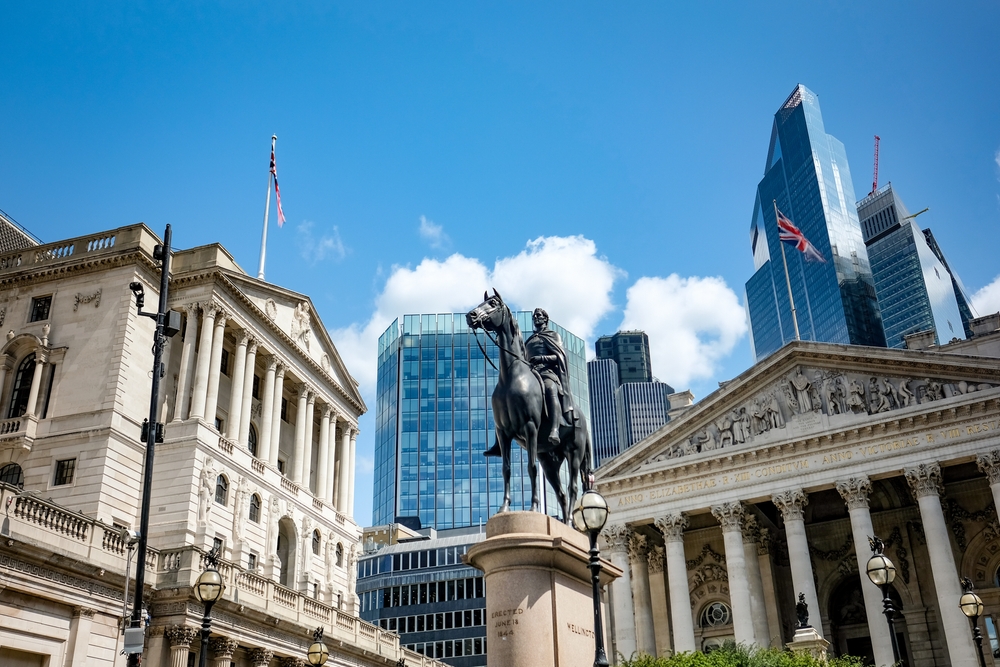
In November 2025, the Bank of England published a consultation outlining how it would regulate sterling-denominated systemic stablecoins. Among the proposed safeguards are limits on the amount of stablecoins end users can hold. Under the proposal, temporary limits of £20,000 per person per coin and £10 million per business would apply.
The central bank said the caps are intended to manage the risk of large-scale deposit flight from commercial banks during a potential shift to so-called “multi-money” payments.
While exemptions are expected for very large firms, the Bank of England has raised concerns about progressing without any caps at this moment in time.
The bank argues quick changes from bank deposits into systemic stablecoins during periods of stress without limits could add to bank funding pressures and increase risks to financial stability. Therefore, temporary holding caps provide support while the market and regulatory framework mature.
Safety or growth?
Good regulation aims to support innovation while protecting financial stability, but finding this balance isn’t easy by any means and frameworks tend to tilt one way or the other.
Professor Simon Gleeson, speaking earlier this month at the Financial Services Regulation Committee’s inquiry into the growth and proposed regulation of stablecoins, questioned whether the UK’s proposed caps may lean too heavily toward caution.
After initially describing the limits as “bonkers”, Gleeson said regulators risk “writing very impactful rules to address problems that nobody knows will actually happen or not”. He warned limits could warm payment use cases, such as consumers needing to hold large balances temporarily during property transactions.
“The problem you have is that if once you’ve decided to go down the route of holding limits, any limit that you choose will be the wrong limit,” he said.
Pressure on the Bank of England is also building through public advocacy channels. In his X post, Coinbase’s Armstrong promoted a petition from Stand With Crypto UK calling for a more pro-innovation approach to blockchain and stablecoins.
The petition, launched by Harry Pearce Gould, has gathered more than 81,000 signatures at the time of this article.
Its main three points include creating a pro-innovation regulatory regime for stablecoins and tokenisation, exploring government use cases for blockchain and appointing a dedicated UK crypto or blockchain lead.
In response to the campaign, the UK government has indicated plans to appoint a Digital Markets Champion role.
Stakeholders still have formal routes to influence the outcome, with the Financial Services Regulation Committee’s call for evidence remaining open until 11:59pm on 11 March. Submissions will inform the committee’s final report, which is expected to include recommendations to the government ahead of a formal response.
Coinbase’s influence
Armstrong appears to be spinning plates at the moment when it comes to regulations on stablecoins. While he used this week to voice issues with the UK’s plans, last month he had a significant impact across the Atlantic.
On 14 January, the US Senate paused its scheduled reading of the Digital Asset Market Structure Clarity Act after Coinbase pulled its support for the bill.
“After reviewing the Senate Banking draft text over the last 48hrs, Coinbase unfortunately can’t support the bill as written,” Armstrong posted on X. “We’d rather have no bill than a bad bill.”
The Senate suspended the reading and though the bill is still not passed, Armstrong’s aim of causing a stir was successful as it triggered a round of White House-led negotiations.