Despite positive reimbursement trends, industry stakeholders are criticising the UK’s APP fraud rules for not stopping the scams for powering them.
The Payment Systems Regulator (PSR) is hailing early success from its Authorised Push Payment (APP) fraud reimbursement rules, but critics say the system amounts to little more than an “expensive refund mechanism.”
APP fraud had the UK payments sector in a headlock in 2024 as cases stacked and consumer losses mounted, making regulatory intervention unavoidable.
Under pressure, the PSR introduced mandatory reimbursement rules in October 2024, requiring sending and receiving firms to split the cost of refunds 50:50 for losses of up to £85,000.
The run up to implementation was far from smooth. Banks and payment service providers warned the policy would increase operational strain, encourage fraudulent claims and fail to tackle scams at their source.
More than a year on, the PSR says the framework is working as intended, but industry concerns have not disappeared.
“Mandatory reimbursement has improved outcomes for victims, but it has not reduced fraud itself,” says Silvija Krupena, Director of the Financial Intelligence Unit at RedCompass Labs.
“What we have built is an expensive refund mechanism, not a prevention system. Scams are still happening at scale, criminals are still walking away with the money, and the cost is being absorbed by banks rather than stopped at source.”
Positive outcomes for consumers, at the moment
There is some common ground between regulators and industry around the benefits for victims.
Data published by the PSR on January 30 shows 88% (£173m) of APP scam losses have been reimbursed. The regulator compared these figures to UK Finance data which showed a reimbursement rate of 65% in 2024.
Of those claims, 82% were resolved within five business days and 98% within 35 days. While the proportion resolved within five days dipped to 78% in Q3 2025, performance remains strong overall.
The figures were a major talking point at City & Financial Global’s Payment Regulation Conference, which Payment Expert attended on February 1. Chet Shah, CEO of Wirex Limited, said the number of victims left uncompensated is clearly falling, but the volume of attempted scams is not.
“That’s a really important distinction we have to make as an industry,” he said. “And yes, we have to protect the potential victims, but we also have to protect the integrity of our financial services system as well, which is currently under huge strains.”
Consumers have reported around 269,000 claims, with 188,000 falling within the reimbursement scheme’s scope. This works out at roughly 15% fewer claims than the previous year, which may suggest falling fraud levels, though experts warn this conclusion is wrong.
Krupena says without clearer data on where fraud is occurring and which cases fall outside reimbursement rules, the numbers offer limited insight into overall harm. She also warns the policy could have unintended consequences, with consumers becoming less vigilant and firms leaning on refunds instead of investing in prevention.
Payment Expert has contacted the PSR for comment.
The solution isn’t reimbursement
At MoneyLive in November 2025, Jonathan Leslie, Payments Fraud Lead at NatWest, told attendees “reimbursement is never going to be the end game.” The question, he said, is what comes next.
“Fraud is a systemic threat, and addressing it requires coordinated action across financial services, technology platforms, telecoms, and law enforcement,” says Krupena. “What is still missing is a national strategy that tackles fraud at source, not just after the damage is done.”
While no such strategy exists, firms outside of banking are beginning to act. At the same event, Leslie was joined on stage by James Harwood, Head of Fraud, Fraud Strategy and Policy Product Owner at Virgin Media O2.
Harwood said while telecoms firms do not fall under the PSR’s remit, Virgin Media O2 has signed a fraud charter alongside BT and Vodafone to improve data sharing and fraud detection across the sector.
Banks welcome these moves, but as Jonathan Frost, Director of Global Advisory for EMEA at BioCatch, tells Payment Expert: “The next step is to foster trust and collaboration across the payments ecosystem to ensure consistent protection so that criminals have no easy targets.”
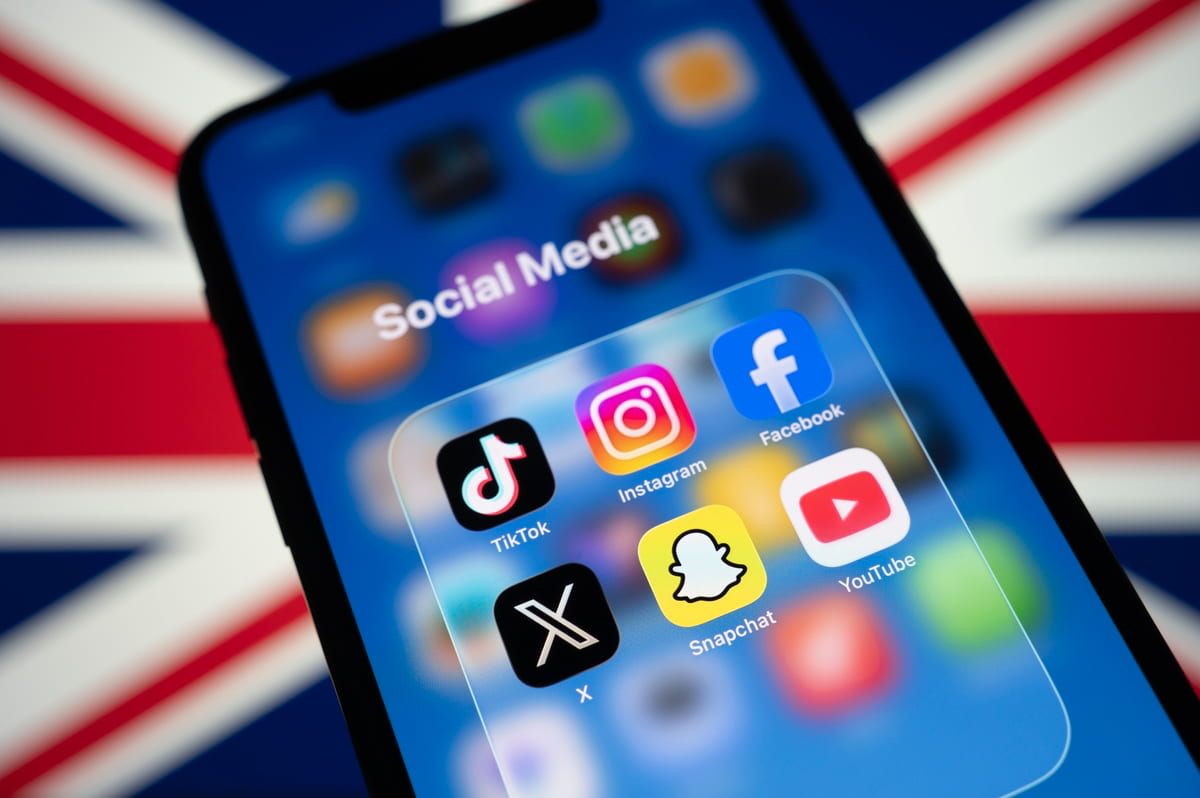
Social media platforms appear to be the easy target, with data from BrokerChooser showing social media has overtaken email as the UK’s leading scam channel, accounting for 34% of reported online scam incidents.
The report, published by IFA Magazine, also found Meta platforms including Facebook and Instagram are exposing users to an estimated 15 billion high risk scam ads every day, generating roughly $7bn in annualised revenue for the company.
“No matter how effectively banks counter APP fraud, the role of upstream tech platforms cannot be overlooked,” Frost said. “These platforms are still not doing enough to prevent consumers from being targeted. Even consumers who do not lose money may lose confidence in the digital world.”