Donal Trump’s proposed 10% cap on credit card rates could boost BNPL providers like Klarna, offering consumers a lower-cost alternative.
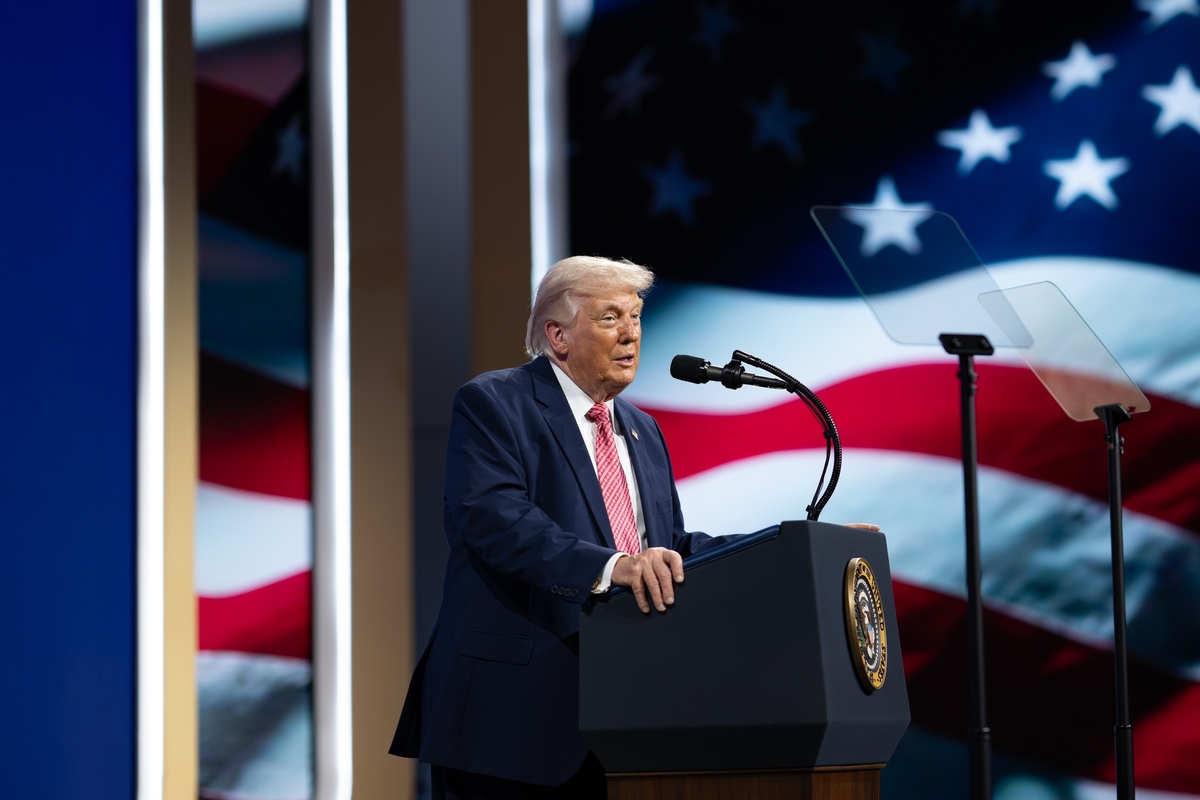
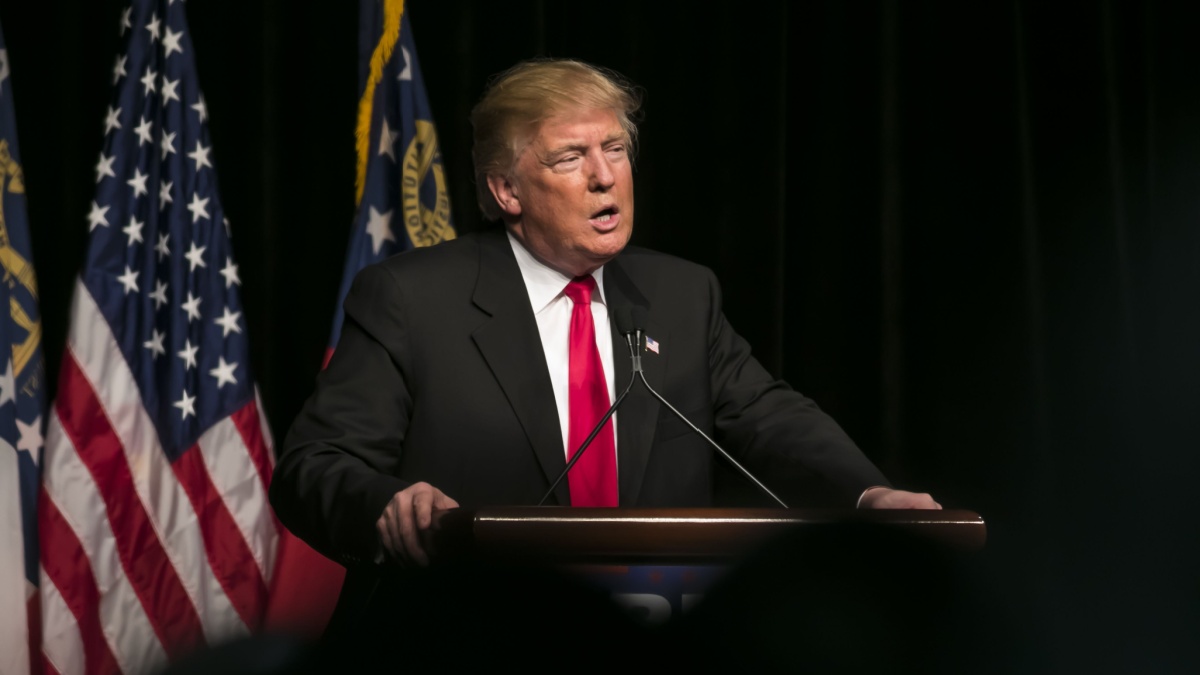
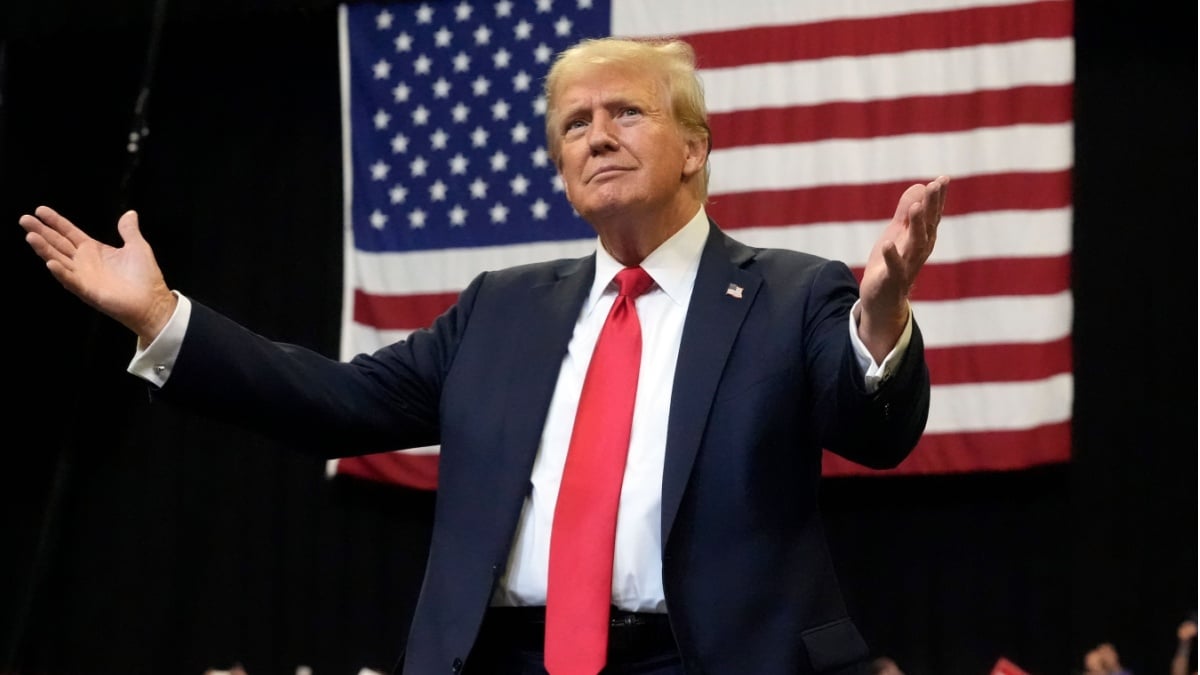
US President Donald Trump has called for a one-year cap on credit card interest rates, proposing a maximum of 10% from January 20, 2026.
Posting on Truth Social on January 10, Trump said the move was a response to what he described as the “ripping off” of American consumers by credit card companies charging 20–30% interest or more.
“Please be informed that we will no longer let the American Public be ‘ripped off’ by Credit Card Companies that are charging Interest Rates of 20 to 30%, and even more, which festered unimpeded during the Sleepy Joe Biden Administration,” Trump wrote.
“AFFORDABILITY! Effective January 20, 2026, I, as President of the US, am calling for a one year cap on Credit Card Interest Rates of 10%,” noting the date coincides with the anniversary of his administration taking office.
Credit card interest rates have been a contentious issue in the US. According to the Federal Reserve, the average annual percentage rate (APR) on outstanding credit card balances reached nearly 20% in 2025, following a series of central bank rate hikes.
Consumer advocacy groups have responded by arguing these rates place significant strain on households, particularly those carrying revolving balances.
However, economists warn that setting interest rates below market levels can have unintended consequences, including reduced credit access, stricter lending criteria and the growth of higher-cost alternative lending.
Trump’s post did not clarify whether the cap would be enacted through executive action or require Congressional legislation.
Banking associations issue warning
The proposal led to an immediate response from the banking sector, with the Bank Policy Institute, American Bankers Association, Consumer Bankers Association and Financial Services Forum issuing a joint statement cautioning how a 10% cap could be devastating.
“We share the President’s goal of helping Americans access more affordable credit,” read the statement.
“At the same time, evidence shows that a 10% interest rate cap would reduce credit availability and be devastating for millions of American families and small business owners who rely on and value their credit cards, the very consumers this proposal intends to help.”
The groups said evidence suggests the cap would reduce credit availability and drive consumers toward “less regulated, more costly alternatives.” They concluded by saying they look forward to working with the administration to ensure Americans maintain access to credit.
Industry concerns

Radi El Haj, CEO at RS2, told Payment Expert a 10% cap would represent a “fundamental shift” in the economics of card issuing. He noted interest income is crucial for covering credit risk, fraud, regulatory compliance and the costs of servicing a wide range of customers, particularly less-prime or newly banked consumers.
El Haj warned a hard cap could force banks to tighten lending standards, lower credit limits or pull back from higher-risk segments entirely, limiting access to credit for exactly the consumers the cap is meant to protect. He added that fintech programs reliant on partner banks could face higher capital requirements, more conservative approvals, and even delays to new product launches, potentially slowing innovation.
Issuers might also seek to offset lost interest through higher fees or subscription models, El Haj said, but such moves could shift costs directly onto consumers and reduce transparency, undermining the policy’s consumer-protection goals. “Any intervention on APRs needs to consider the full payments and credit ecosystem,” he added, warning of the risk of unintended consequences, from reduced credit availability to slower fintech innovation.
BNPL sees opportunity
Buy now, pay later (BNPL) providers, such as Klarna, could benefit if Trump’s proposal to cap credit card interest rates is implemented, offering a lower cost alternative to revolving credit.
The Swedish fintech’s IPO in the US was initially paused amid tariffs and broader market instability, but ultimately went ahead in September 2025 on the New York Stock Exchange, raising around $194–206m at a $40 share price and valuing the company at roughly $12.8–14bn.
Following the listing, Klarna has faced a class action lawsuit alleging it misled investors about risks tied to its BNPL loans.
Before these issues around its IPO the company also struggled with regulatory uncertainty, making its start to life in the US more of a nightmare than the American dream it perhaps envisioned.
In 2025, the Consumer Financial Protection Bureau (CFPB) classified all BNPL lenders as credit card providers, imposing rules around dispute handling, billing statements and refunds. Klarna described the guidance as “baffling,” arguing BNPL differs fundamentally from traditional credit, and the ruling was later reversed.
Klarna’s luck might be about to change and a good indication of that is the company’s CEO Sebastian Siemiatkowski voicing support for Trump’s interest rate cap.
In comments published on LinkedIn by Marcel van Oost, Siemiatkowski said: “I don’t think it’s a great system that I get better rewards because someone else is revolving at 30%.”
His point of view reflects a wider dynamic in the US credit market, where higher income consumers often enjoy rewards funded by lower income households paying high revolving interest and generating significant profits for banks.
BNPL providers are marketing their installment products as a fairer, more transparent alternative. With lower revolving credit rates, these services could gain traction, offering repayment structures which prevent compounding interest.
However, as banks have already started to do so, the lack of oversight on the sector will likely be questioned if more consumers adopt BNPL in response to this potential cap.