As MiCA deadlines approach, France’s low application rate points to a narrowing crypto market, with compliance costs and supervisory intensity shaping which firms stay, exit, or relocate within the EU.
France’s crypto sector is already showing signs of fragmentation under the EU’s new crypto rulebook, with a significant share of firms opting not to seek authorisation locally as the Markets in Crypto-Assets Regulation (MiCA) takes effect.
According to figures cited by Reuters, only around 30% of crypto companies operating in France without a full licence have applied for MiCA authorisation, raising questions about whether firms are exiting the market or simply choosing to regulate elsewhere.
Speaking to journalists in Paris, Stéphane Pontoizeau, executive director at France’s financial regulator, the Autorité des marchés financiers (AMF), said that 40% of unlicensed firms have indicated they do not intend to apply, while a further 30% have not communicated their plans.
Under MiCA, crypto firms must be authorised by a national regulator to continue operating. In France, those that fail to secure a licence will be required to cease activity from July, although transitional deadlines vary across EU member states.
A tougher bar in France
France entered the MiCA era with an existing national crypto registration regime, leading some policymakers to expect a relatively smooth transition. Instead, the low application rate suggests that MiCA’s full authorisation requirements represent a materially higher compliance threshold, even for firms already active in the country.
MiCA introduces stricter governance, capital, consumer protection and operational resilience obligations, bringing crypto firms closer to the standards expected of traditional financial institutions.
For some operators, particularly smaller or lightly structured ones, the cost of meeting those requirements may outweigh the commercial value of remaining in specific national markets.
Licensing location becomes strategic
Crucially, MiCA allows firms to passport services across the EU once authorised in a single member state, making the choice of licensing jurisdiction a strategic decision rather than a purely geographic one.
Several major crypto firms have opted to obtain MiCA licences outside France. OKX, for example, has secured authorisation in Malta, rather than pursuing approval through the French regulator.
Malta, via its financial watchdog, the Malta Financial Services Authority, has positioned itself as a crypto-friendly jurisdiction for several years. While MiCA is designed to harmonise standards across the EU, industry participants privately acknowledge that regulatory interpretation, supervisory intensity and onboarding processes can still differ meaningfully between member states.
This has fuelled perceptions that some jurisdictions may offer a lower practical barrier to entry, particularly in terms of supervisory engagement, speed of approval and regulatory certainty, even if the formal rulebook is identical.
A two-speed MiCA market emerges
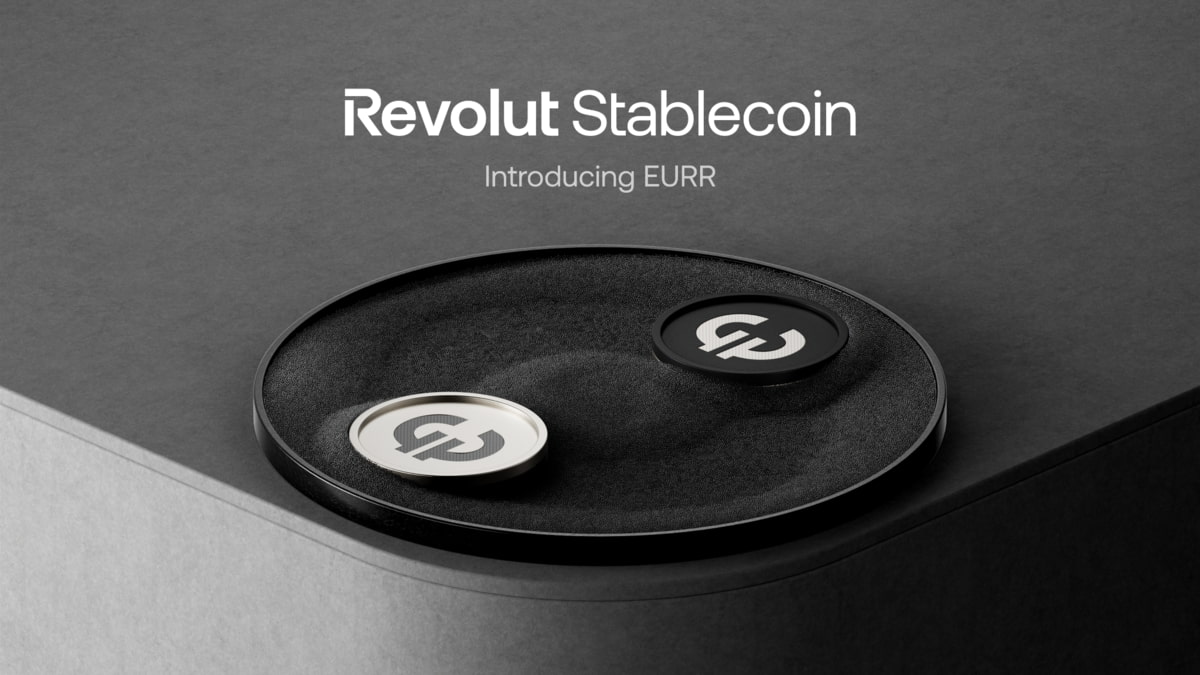
The result is an emerging two-track dynamic. Large, well-capitalised firms such as Coinbase, Circle and Revolut have already secured MiCA licences, signalling their willingness to operate under closer regulatory scrutiny.
Others appear to be consolidating their EU presence through a single licensing hub, or quietly preparing to exit certain national markets altogether.
List of companies which have recently acquired a MiCA licence. A full list is available here.
| Company | Licencing country | MiCA approval date |
| FINTECH SK s. r. o. | Slovakia | Jan 1, 2026 |
| BlockBen SIA | Latvia | Dec 19, 2025 |
| StoneX Digital International Limited | Ireland | Dec 19, 2025 |
| Fintegence, s.r.o. | Slovakia | Dec 19, 2025 |
| Madison Six j. s. a. | Slovakia | Dec 19, 2025 |
| Pionew Ireland Limited | Ireland | Dec 18, 2025 |
| Kvarn Capital Oy | Finland | Dec 18, 2025 |
| Zodia Custody (Europe) S.A. | Luxembourg | Dec 16, 2025 |
| Confirmo Limited | Ireland | Dec 16, 2025 |
| Decentralized, UAB | Lithuania | Dec 16, 2025 |
| Nexdesk SIA | Latvia | Dec 15, 2025 |
| IG Europe GmbH | Germany | Dec 10, 2025 |
| CoinJar Europe Limited | Ireland | Dec 9, 2025 |
| COMETH SAS | France | Dec 5, 2025 |
| Paysafe Payment Solutions Limited | Ireland | Dec 3, 2025 |
For regulators, the divergence in where firms choose to license will be closely watched. MiCA was designed to eliminate regulatory arbitrage by replacing national frameworks with a single EU regime.
Early data from France suggests that, while the rulebook may be harmonised, supervisory outcomes may still vary in practice.