A bipartisan Senate discussion draft would build a federal rulebook for “digital commodities,” creating a CFTC-run spot regime and new retail safeguards, while leaving some issues open for negotiation.
Picture a mid-sized US crypto exchange today. To operate nationwide it collects a patchwork of state money-transmitter licences, registers as a money services business with FinCEN, builds sanctions screening, and designs custody to satisfy examiners. It also weighs whether the tokens it lists could be securities, exposing it to scrutiny from the Securities and Exchange Commission, and therefore throttles product changes and listings.
That could be about to change.
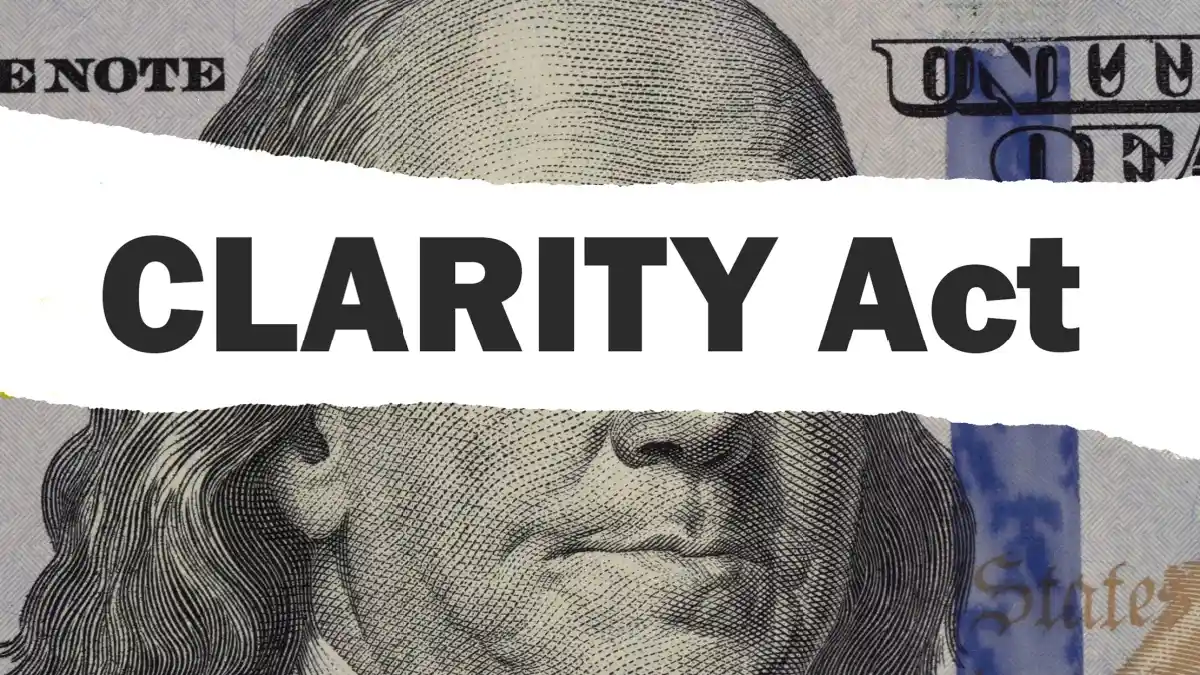
On November 10, Senators John Boozman and Cory Booker released a discussion draft to give the Commodity Futures Trading Commission (CFTC) clear authority over the spot trading of “digital commodities,” expanding on the House-passed CLARITY Act from July.
In a joint statement, Boozman said “the CFTC is the right agency to regulate spot digital commodity trading.”
“It is essential to establish clear rules for the emerging crypto market while also protecting consumers. This discussion draft advances those goals and lays an important marker as we work toward final policy language,” Boozman said.
What the draft would set up
The draft creates a definition of “digital commodity,” sets out the category of digital commodity exchanges, and captures brokers and dealers serving the spot market, bringing them into registration and conduct rules at the CFTC. It also defines “mixed digital asset transactions” where a commodity trades against a security, triggering joint work with the SEC.
Exchanges would certify new listings to the CFTC, with the listing effective unless the Commission issues a reasoned disapproval within defined timelines, subject to limited extensions. The agency must publish the analysis behind any disapproval.
“More Americans are engaging with novel financial markets and payment systems than ever before, and Congress must take steps to strengthen and expand regulatory frameworks to protect consumers from predatory practices, keep our markets safe, and prevent bad actors from exploiting regulatory gaps,” said Booker.
“This bipartisan discussion draft would provide the CFTC with new authority to regulate the digital commodity spot market, create new protections for retail customers, and ensure the agency has the personnel and resources necessary to oversee this growing market.”
The bill codifies segregation of customer money, assets and property, with explicit prohibitions on commingling and misuse, and ties customer asset treatment to bankruptcy protections under Title 11. It also sets requirements for holding customer digital assets at qualified digital commodity custodians.
A custodian can qualify if it is supervised by a federal banking regulator, the NCUA, the CFTC or SEC, or by state supervisors with adequate regimes, and if it meets information-sharing and system safeguard obligations the CFTC will specify by rule.
Registered exchanges must run risk, security and cyber programmes, maintain disaster recovery and key-access plans, publish timely trading data, keep comprehensive audit trails, and share information with domestic and foreign authorities.

Individuals would retain the right to keep and use hardware or software wallets for lawful personal use and peer-to-peer transactions, with sanctions and AML caveats. The provision is framed not to limit existing enforcement powers under financial crime laws.
The agencies must conduct joint rulemakings for mixed transactions. The draft preserves existing derivatives regimes and clarifies that instruments do not cease being swaps or futures because they live on a blockchain.
The bill would create a Spot or Cash Market Digital Commodity Retail Advocate housed at the Commission, with annual reporting to Congress on retail concerns and outreach.
The text clarifies CFTC jurisdiction over cash or spot transactions in “permitted payment stablecoins” traded on registered entities, treating them as digital commodities for market-conduct purposes while not granting prudential control over the issuers themselves.
Several sections remain bracketed for negotiation, including decentralised finance and anti-money laundering, signalling that final policy language is still in flux. A “minority view” note also flags potential jurisdiction questions around non-controlling blockchain developers.
How this differs from the status quo
At present, spot trading in non-security tokens is largely governed by general anti-fraud authority and state licensing, with the SEC asserting jurisdiction where assets or programmes meet securities tests.

A CFTC-run spot regime would nationalise conduct, custody and listing standards for “digital commodities,” reduce state-by-state inconsistencies for exchanges and brokers, and formalise a pathway for listings via certification and review.
“The CFTC plays a critical role in maintaining the integrity and stability of our financial and derivatives markets. As Congress works to expand authority for the commission to oversee the trading of digital assets that are commodities, it’s essential that we also ensure it has the tools, personnel and resources necessary to carry out this new mission, along with its current responsibilities,” Boozman said.
“Strengthening this institution better protects consumers, encourages innovation, promotes transparency and upholds liquid and resilient markets.”
What happens next
This is a discussion draft, not yet a formally introduced bill. The typical path to law is:
- Senators must formally introduce the bill, after which it will be referred to the Senate Committee on Agriculture, Nutrition, and Forestry given its CFTC jurisdiction. Depending on scope, elements could also draw interest from Senate Banking.
- The committee can hold hearings, negotiate text, and mark up amendments. If approved, the bill is reported to the full Senate with a written report.
- Leadership can bring the bill forward. The Senate proceeds by unanimous consent or a vote to proceed. Passage requires a simple majority; overcoming extended debate can require cloture.
- The House passed the CLARITY Act in July 2025, covering market-structure elements. Any Senate bill would need to be reconciled with the House approach, either through the House taking up the Senate bill or through a conference to agree identical text.
- President’s desk. Once both chambers pass the same bill, it goes to the President for signature or veto under the Presentment process.
The draft sets an 18-month global timeline for required CFTC and SEC rulemakings after enactment, and it expressly allows the agencies to begin preparatory work and registrations before final effective dates, which matters for industry transition.