Despite BNPL still not being fully regulated in several markets, including the UK, Klarna is looking to ensure the payment method will be available in agentic commerce.
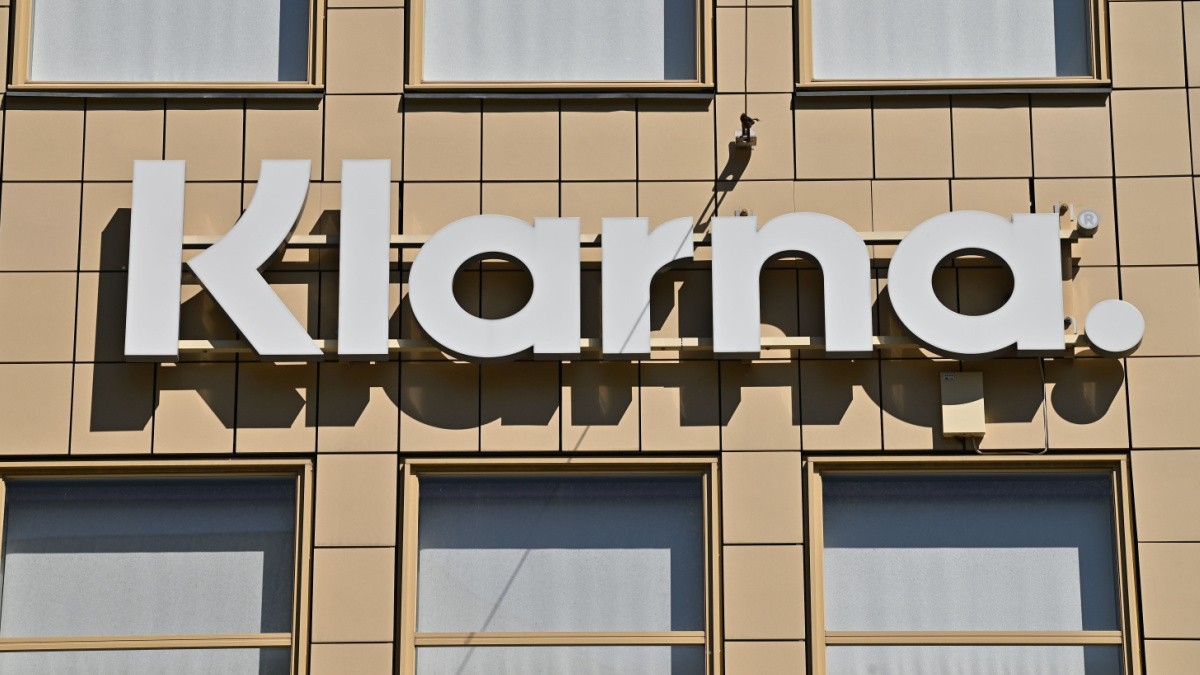
Klarna has become the latest payments company to support Google’s Agent Payments Protocol (AP2), calling agent-led commerce a “new frontier”.
Google launched AP2 in September 2025 as an open protocol to standardise how AI agents initiate and complete payments across different platforms. The protocol received a lot of attention at launch for its backing from more than 60 companies in the payments and technology industries.
The tech giant also made it clear collaboration would be essential. It invited “the entire payments and technology community to build this future” with Google.
On October 13, Klarna confirmed its support for AP2, aiming to help shape how the technology works.
“Agent-led commerce represents an exciting new frontier, one that demands transparency, trust, and smarter payment experiences,” said David Sykes, Chief Commercial Officer at Klarna.
Klarna said it plans to extend its flexible payment options and real-time underwriting to agentic commerce.
“We’re doubling down on our long-standing relationship with Google to support their work with AP2 and help define an open, responsible payments architecture for the future of shopping,” Sykes added.
Stavan Parikh, VP and GM of Payments at Google, praised Klarna’s involvement, pointing to their past work together on several products, including Google Pay, Chrome’s autofill, Google Store, Google Play and Google Cloud.
“Their contributions to shape Agent Payments Protocol exemplify the critical cross-industry collaboration needed to build open, secure and scalable frameworks to enable the future of commerce,” said Parikh.
Klarna’s complicated history with AI
Klarna’s support for AP2 comes in spite of past concerns over the impact of AI.
In May 2025, Klarna faced criticism when its increased use of AI led to a 45% reduction in headcount. A month later, CEO Sebastian Siemiatkowski warned AI was replacing white-collar jobs.
“When we started applying AI in our customer service, we realised that there will be a higher value to human connection,” he said at the time.
Siemiatkowski also admitted that relying fully on AI in customer service led to a decline in quality.
Google’s AP2 isn’t intended to cut jobs directly. However, its focus on using AI to handle payments could raise similar concerns about quality, especially during early adoption.
Agentic commerce also raises new regulatory questions, particularly when combined with BNPL.
The UK and several other markets have yet to publish full BNPL regulations. Earlier this year, the Financial Conduct Authority (FCA) released a consultation paper outlining proposed rules, including affordability checks and mandatory support for customers in financial difficulty.
If AI is making payments on a customer’s behalf, these checks will become even more important. Though with many markets still finalising BNPL rules, they could fall further behind when regulating agentic BNPL payments.