Having shaped how we find information, Google is now looking to shape how AI spends money.
Google has launched a new open protocol designed to standardise how AI agents initiate and complete payments across platforms.
The Agent Payments Protocol (AP2), announced September 16, aims to do for AI commerce what chip-and-PIN and 3-D Secure once did for card payments.
Backed by more than 60 partners including Mastercard, American Express, PayPal, Adyen and Worldpay, AP2 is presented as a payment-agnostic framework which works across cards, real-time transfers and digital assets.
At the heart of the protocol are “mandates”, which are digital contracts that record and secure user intent. They aim to create a clear audit trail for every transaction and provide banks, payment providers and merchants the proof they need to handle liability, compliance and fraud when payments are triggered by AI instead of people.
Can Google really set the standard?
The AI sector today is fragmented both geopolitically and commercially. Most governments see AI as a strategic asset, with the US (where Google is based) and China taking vastly different approaches to development and regulation.
Even within Western alliances, competition has made collaboration rare. The UK, despite hosting the world’s first AI Safety Summit, chose not to sign binding commitments and instead has followed a more relaxed path to attract investment.
Corporations are also separated by competition. Proprietary models, datasets and platforms have created silos and the rush to release new products often comes at the expense of shared standards.
Given AI’s wild-west-like nature so far, Google’s push for AP2 stands out for its collaborative approach.
More than 60 companies across payments and technology have already joined the effort, including Mastercard, Coinbase, Revolut, Intuit, UnionPay International and Salesforce. The challenge now is whether Google can turn this momentum into the kind of adoption that now makes contactless payments essential.
Excitement for crypto and stablecoins
While AP2 is designed to be payment-agnostic, its potential impact on crypto and stablecoin transactions is garnering a lot of attention.
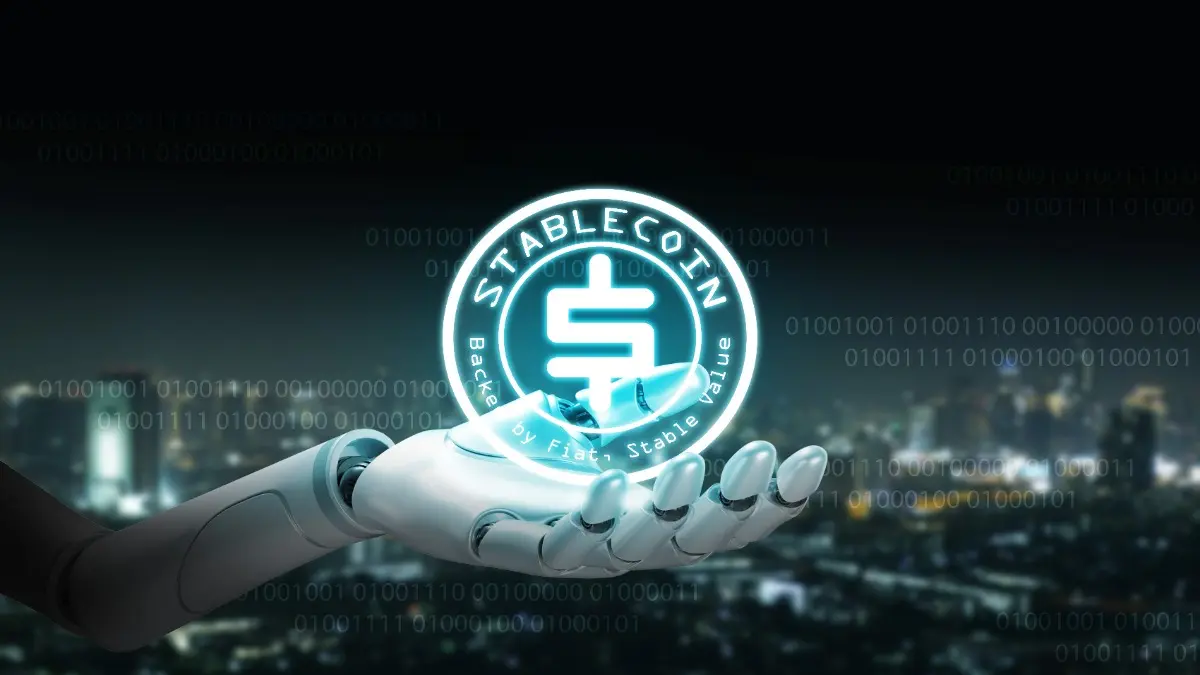
Google has added an extension to AP2 called x402 to support web3 payments. Built with Coinbase, the Ethereum Foundation, MetaMask and others, it lets AI agents make crypto payments using stablecoins while seeking to keep the same level of trust as card or bank transactions.
“x402 and AP2 show that agent-to-agent payments aren’t just an experiment anymore, they’re becoming part of how developers actually build,” said Erik Reppel, Head of Engineering at Coinbase Developer Platform.
“Bringing x402 into AP2 to power stablecoin payments made sense — it’s a natural playground for agents to start transacting with each other and testing out crypto rails.”
Other contributors see stablecoins as a practical way to address the scaling challenges that AI-driven commerce faces with traditional financial systems. Donald Jackson, CTO at BVNK, said stablecoins offer an “obvious solution” to these issues and that the company was eager to get involved once Google began tackling the problem.
What’s next?
The launch of AP2 and its x402 could potentially be one of the most significant changes to how payments work in an AI-driven world. With large firms from various sectors already involved, the protocol is positioned to be a foundation for agent-based commerce.
However, its success will depend on whether adoption spreads beyond early partners and whether regulators, developers and merchants align on the open standards Google is committed to keeping.
Some experts say this shift points to a deeper change in payments. Digital finance commentator David Birch compared the rise of AI agents to the 19th-century ice trade, where new technology initially seemed helpful but ultimately replaced the people running the business.
In the same way, AI agents may increasingly act as the “customers” driving transactions, rather than humans.