After I chug my Red Bull (healthy, I know) and sit at my desk, I start my usual morning routine of scouring the news. Some days there is a lot happening and other days not so much, but one thing which is always there is a stablecoin story.
Whether it’s about a new launch, an executive offering to talk about stablecoins, or a regulator updating rules, there is always something about stablecoins.
It made me think. When did stablecoins begin to take over my feed? And was it driven by innovation or influence? Because last year, I barely remember anyone talking about them. That was the year of AI, which now feels almost forgotten, like the older child when a new baby comes along.
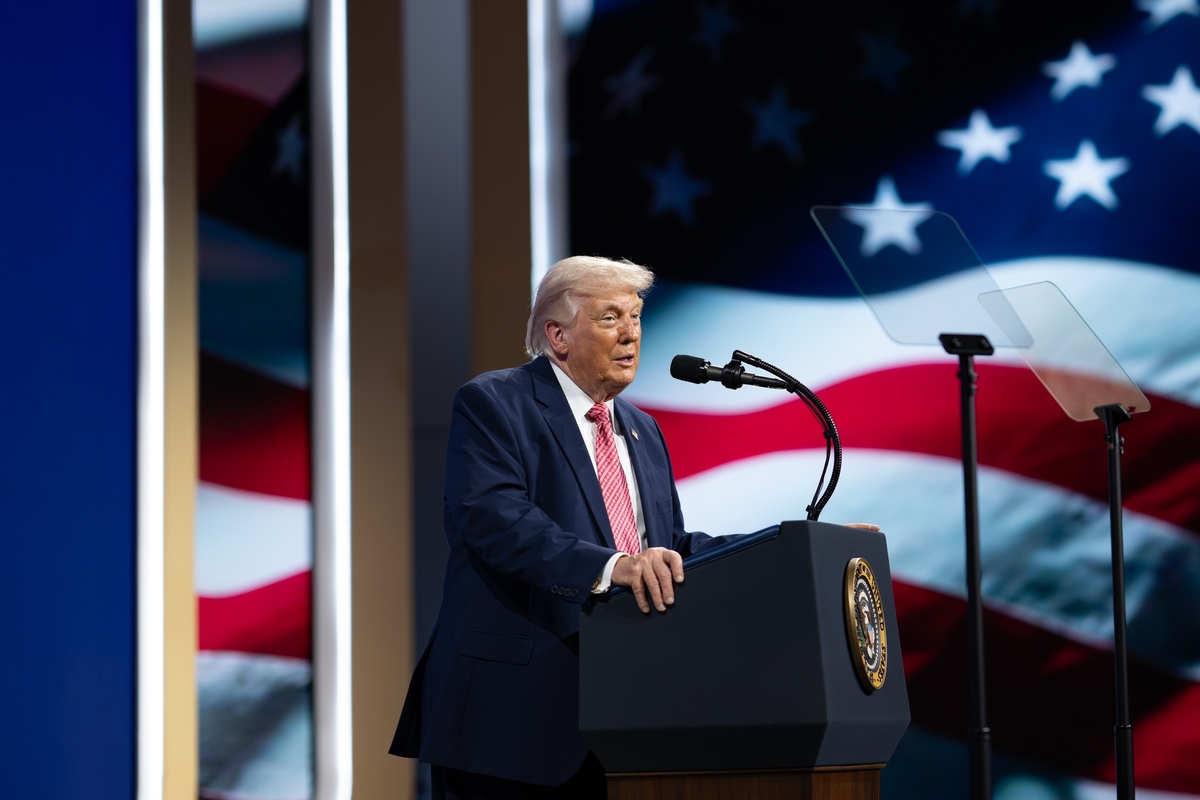
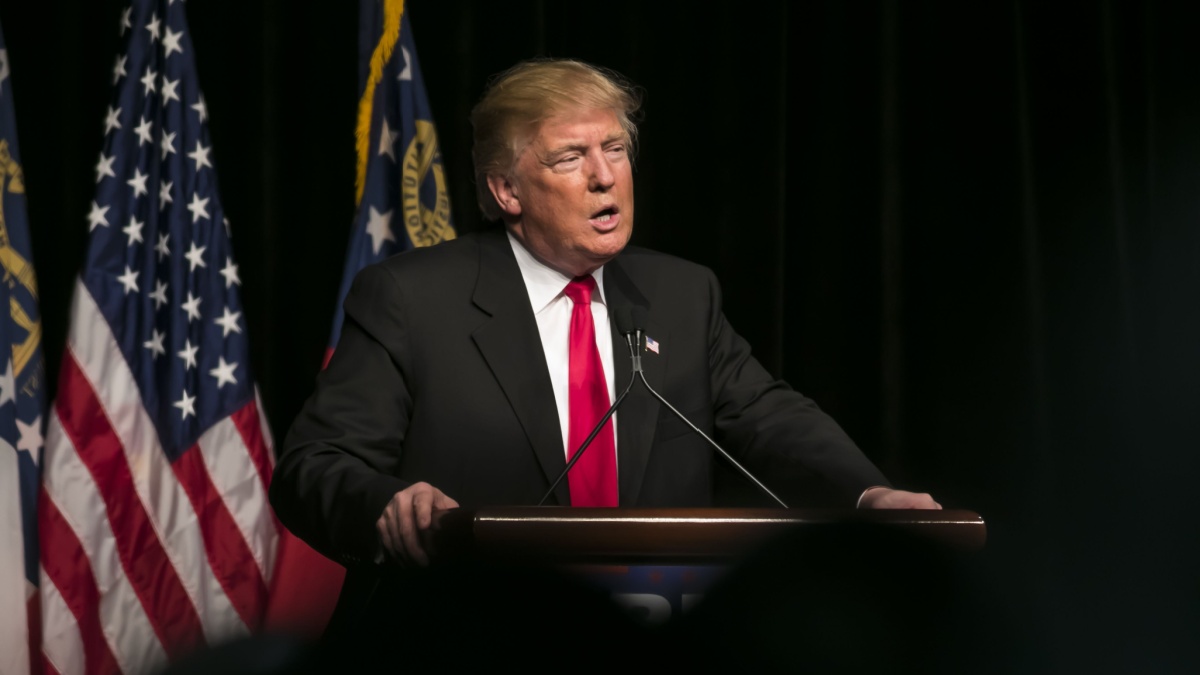
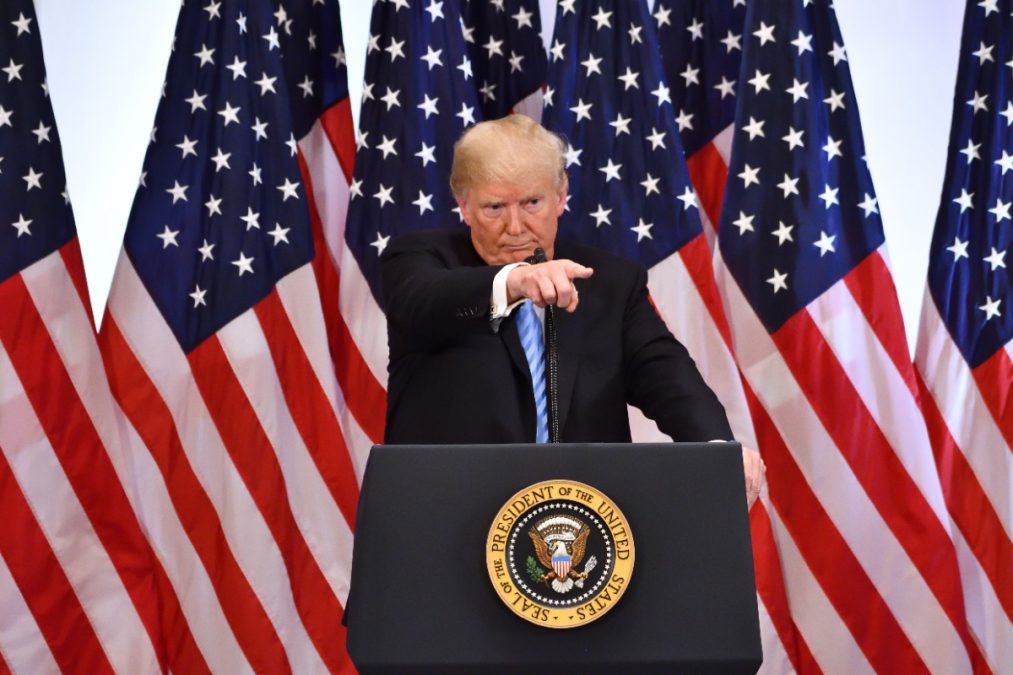
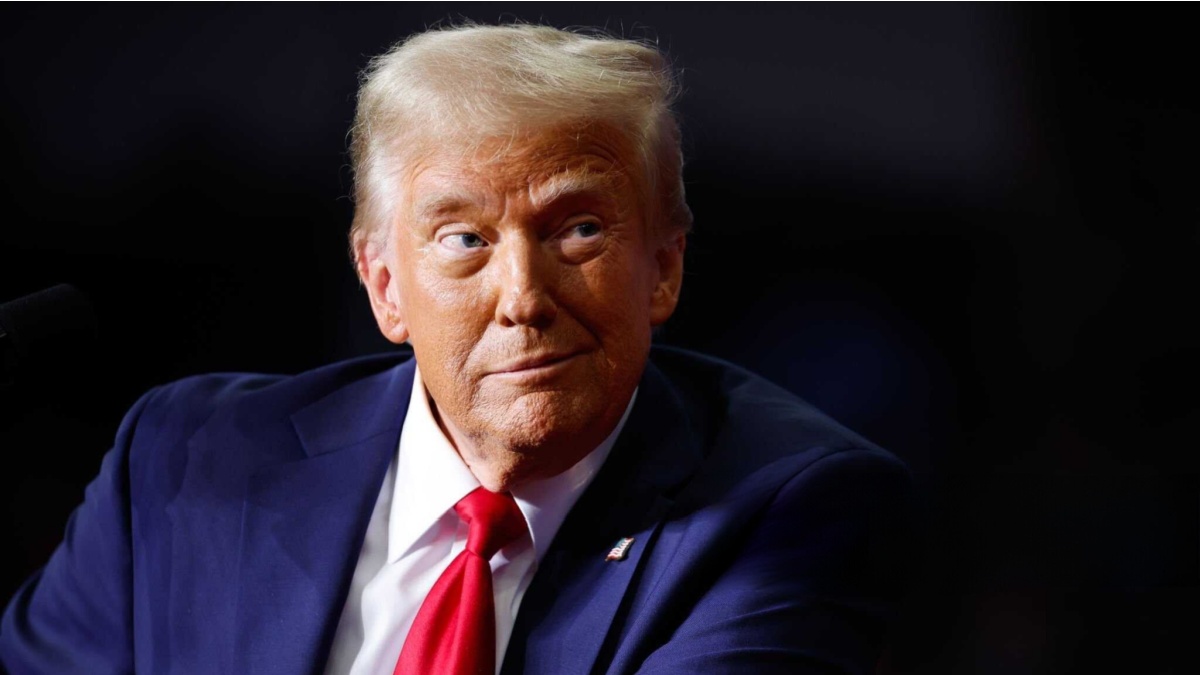
Let’s be honest. For many people, including myself, the first time stablecoins really registered was when US President Donald Trump started talking about them. Yes, there are a few OGs out there, but many still group stablecoins with crypto. I’ll let Payment Expert’s Rachael Kennedy’s article explain why they’re not the same thing.
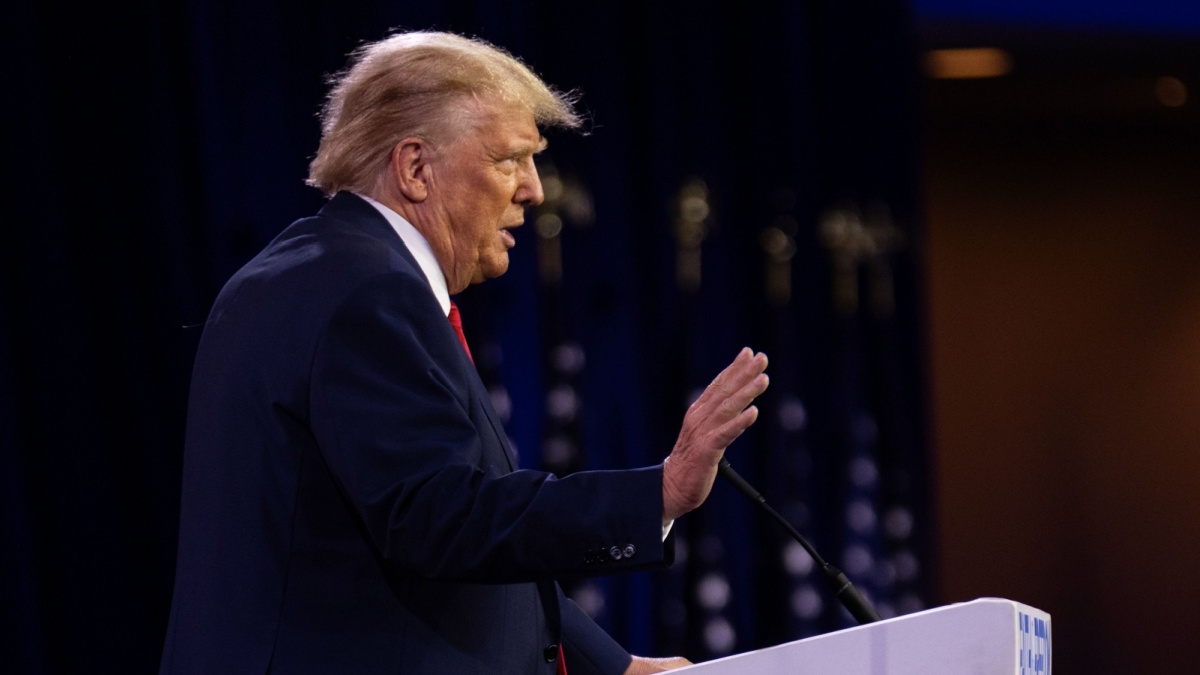
So what happened? Trump threw his support behind stablecoins and started courting crypto lobbyists. Suddenly, stablecoins weren’t just another blockchain experiment, but were being presented as the future of American payments.
Venture capitalists, exchanges, fintech leaders and even banks that once spoke cautiously about regulation began echoing campaign slogans. Stablecoins became as much a political movement as a financial one.
Spoiler alert… It worked.
Within months, there were new waves of support from Washington and across the globe. Lawmakers who once resisted digital currencies began discussing US-backed stablecoins as a way to “protect the dollar’s dominance” and “compete globally”. Major payments companies rushed to announce integrations and pilot projects, eager to not be left behind.
I want to be clear before a few angry emails arrive. Stablecoins do have real potential. They can improve cross-border payments, enable instant settlements and reduce reliance on intermediaries and the promise of faster and cheaper payments is powerful.
However, innovation in payments isn’t new. It just tends to be ignored.
Over the past decade, we’ve seen technologies like open banking APIs and digital identity frameworks promise to change how money moves. Many of those ideas hit roadblocks, often regulatory ones. It is usually the same old story of governments hesitating, banks staying cautious and start-ups struggling to scale.
Stablecoins, however, managed to overcome those hurdles. I wouldn’t say it’s because the technology is better, but because the politics are.
When political power aligns with technological ambition, progress speeds up. Trump’s administration and his allies positioned stablecoins as a tool for economic nationalism, a way to challenge China’s digital yuan and strengthen American influence in the global financial system. It was this framing which gave stablecoins a momentum other innovations could only dream of.
Now, just a couple months on from when I heard about them, the US is leading the way with dollar-pegged stablecoins, while other regions scramble to respond. Europe is tightening its framework and emerging markets are creating local versions. The world is reacting not just to innovation, but to influence.
Payments innovation has always been about earning the regulator’s trust. This time, politics earned it instead of technology.
This doesn’t make stablecoins a bad idea. It just shows real change needs power, persuasion and timing as well as innovation.
So yes, stablecoins might shape the future of money, but let’s not pretend it’s on merit alone.