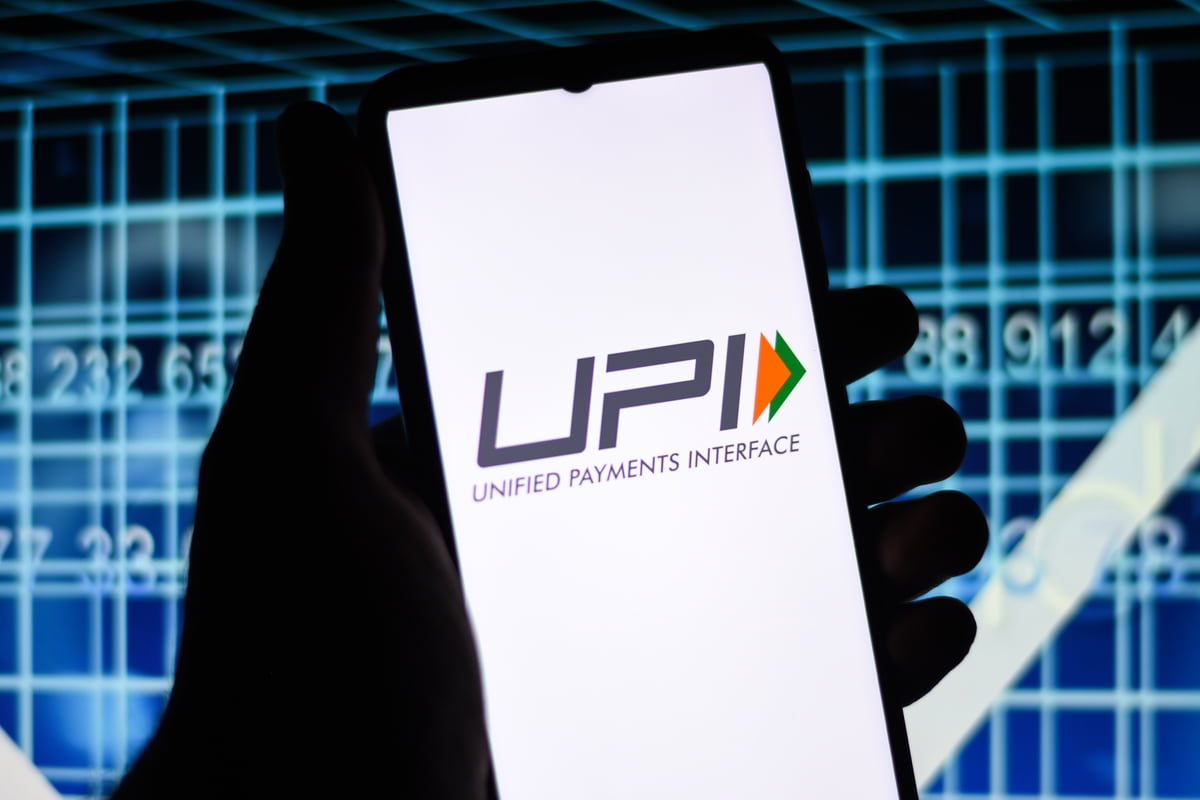
India is becoming the new target for many financial institutions driven by its Unified Payments Interface, which processed 20.01 billion transactions in August.
PayPal CEO Alex Chriss has described India as a “critical market” as his company looks to grow its presence in the country.
Speaking at the Global Fintech Festival in Mumbai, Chriss said “there’s a reason why we’re here” and went on to share several positive comments about India.
His main reason for attending was to discuss India’s Unified Payments Interface (UPI), which has become the first payments system integrated into the PayPal World platform.
PayPal partnered with UPI in July 2025, along with other wallets it plans to add to its platform. The aim is to let users make in-store and online payments and send money globally through PayPal World with the help of AI agents.
The service also seeks to reduce the complexity of cross-border payments. It uses open commerce APIs to deliver faster and more reliable transactions around the world.
Not every partnership in this initiative has gone smoothly. PayPal’s collaboration with Tencent’s Tenpay Global led US lawmakers to request detailed documentation by October 3.
PayPal’s admiration for India
Chriss had many positive things to say about India during his appearance at the Global Fintech Festival. He pointed out that India is PayPal’s second-largest employment base and praised the country’s talent.
His comments come at a tense time for international workers after President Donald Trump introduced a new H-1B visa fee last month. The proclamation, signed on September 19 and effective from September 21, sets a one-time fee of $100,000 on every new H-1B petition.
Nasscom, India’s IT trade group, warned the move could cause “ripple effects on US innovation and global job markets”. The Compete America coalition, representing companies such as Apple, Amazon and Microsoft, urged revisions, saying the fee would “stifle innovation and job growth in the US by deterring global talent.”
Chriss also spoke about India’s wider role in the global economy. “Everywhere I travel…the Middle East, Europe, the US… India comes up as a location where there’s movement of talent, movement of money, commerce opportunities,” he said.
“India is becoming, if not already here, an innovator and a leader globally. And that’s why it is so important for PayPal to play a role and connect India to the rest of the world.”
He also highlighted India’s growing investment potential. “When you have thousands of fintechs in India alone, the amount of innovation is just going to accelerate. I would much rather be the disruptor than the one being disrupted.”
India’s growing payments prominence
India has become a major focus for western fintechs in recent years. In 2025, Revolut received a full Prepaid Payment Instruments licence from the Reserve Bank of India. This licence permits the UK-based company to issue prepaid cards and wallets with UPI integration.
Elsewhere, international transfer service Wise is expanding its focus on India by opening a new tech hub in Hyderabad. The company said it plans to hire hundreds of people in the coming years to launch its international accounts for Indian customers.
This focus on India is unsurprising given the country’s payments sector continues to grow rapidly. UPI processed a record 20.01 billion transactions in August, up from 19.47 billion in July, according to NPCI data.