Industry leaders say consumer control is key, but hurdles remain
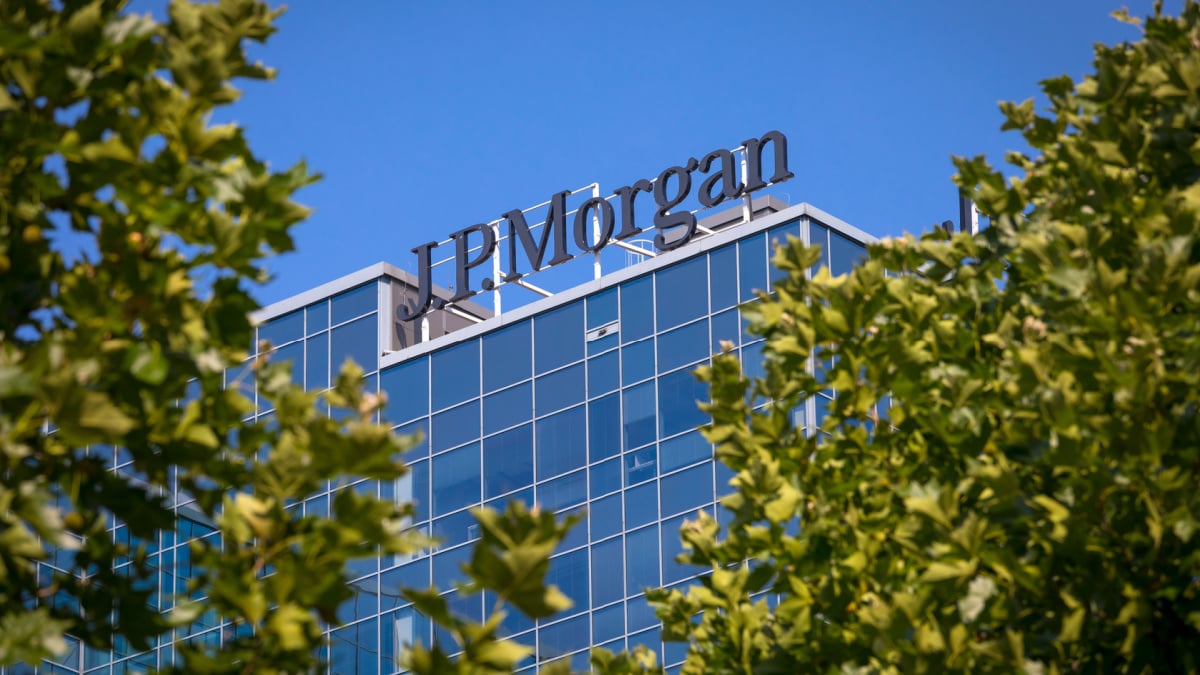
JPMorgan Chase and Plaid have extended their data access agreement, ensuring millions of Chase customers can continue securely connecting their accounts to fintech apps and services. The renewed deal, announced on September 16, underlines the growing importance of consumer-permissioned data in the evolving open banking landscape.
Melissa Feldsher, Head of Consumer Payments at JPMorgan Chase, said the partnership would provide continuity for customers.
“Today’s announcement will ensure that our customers can continue to quickly, safely, and securely access their financial data for years to come and stay connected to the products they rely on every day,” she said in a statement.
Plaid’s Chief Operating Officer, Eric Sager, added: “We have always believed consumers should have the right to access and share their own financial data, and JPMorgan Chase has been a partner in that effort. This extended agreement ensures ongoing access for the millions of Chase customers who rely on Plaid every day to connect with the products and services they trust.”
The deal continues a longstanding relationship between the bank and the fintech, and includes a defined pricing structure and commitments to improve data access through technological investment.
Paying for data
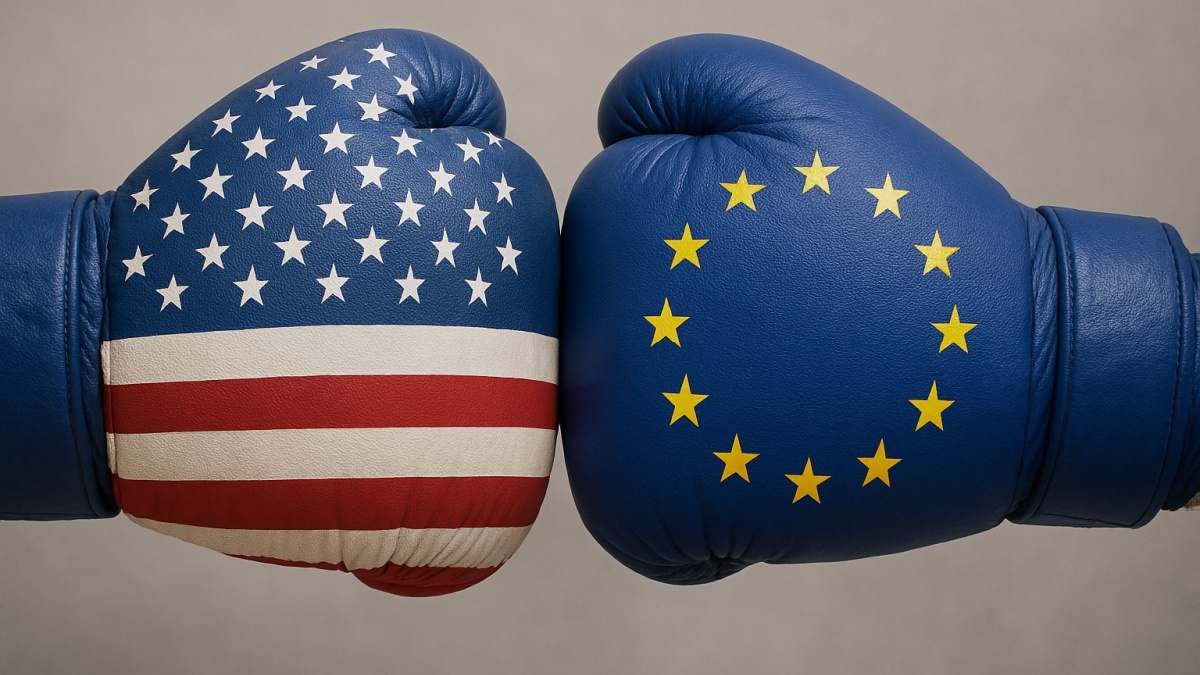
The renewed JPMorgan–Plaid agreement arrives as regulators in the US and Europe push for greater standardisation in open banking and explore frameworks for open finance.
In the US, consumer-permissioned data has largely been driven by bilateral agreements between banks and fintechs rather than a mandated regulatory structure, unlike the UK’s Open Banking Implementation Entity.
The Consumer Financial Protection Bureau’s Section 1033 rule, finalised in 2024 to enshrine consumers’ right to access and share their financial data, has since been stalled by legal challenges and a shifting political climate. With the rule effectively paused, the US risks sliding back towards a fragmented system where access is determined by private agreements between banks and aggregators rather than uniform regulation.
US open banking timeline
- Pre-2010s – Fintechs rely on “screen scraping” to pull data from online banking portals.
- 2017–2019 – Large banks begin bilateral API agreements with Plaid, Yodlee and others to replace scraping.
- 2020 – CFPB launches rulemaking on Section 1033 of Dodd-Frank, covering consumer financial data rights.
- 2022–2023 – Draft proposals released to formalise open banking in the US.
- Oct 2024 – CFPB finalises Section 1033, mandating secure data access for accounts, cards and wallets.
- 2025 – Legal challenges and political shifts stall the rule; industry reverts to bilateral agreements, such as JPMorgan–Plaid.
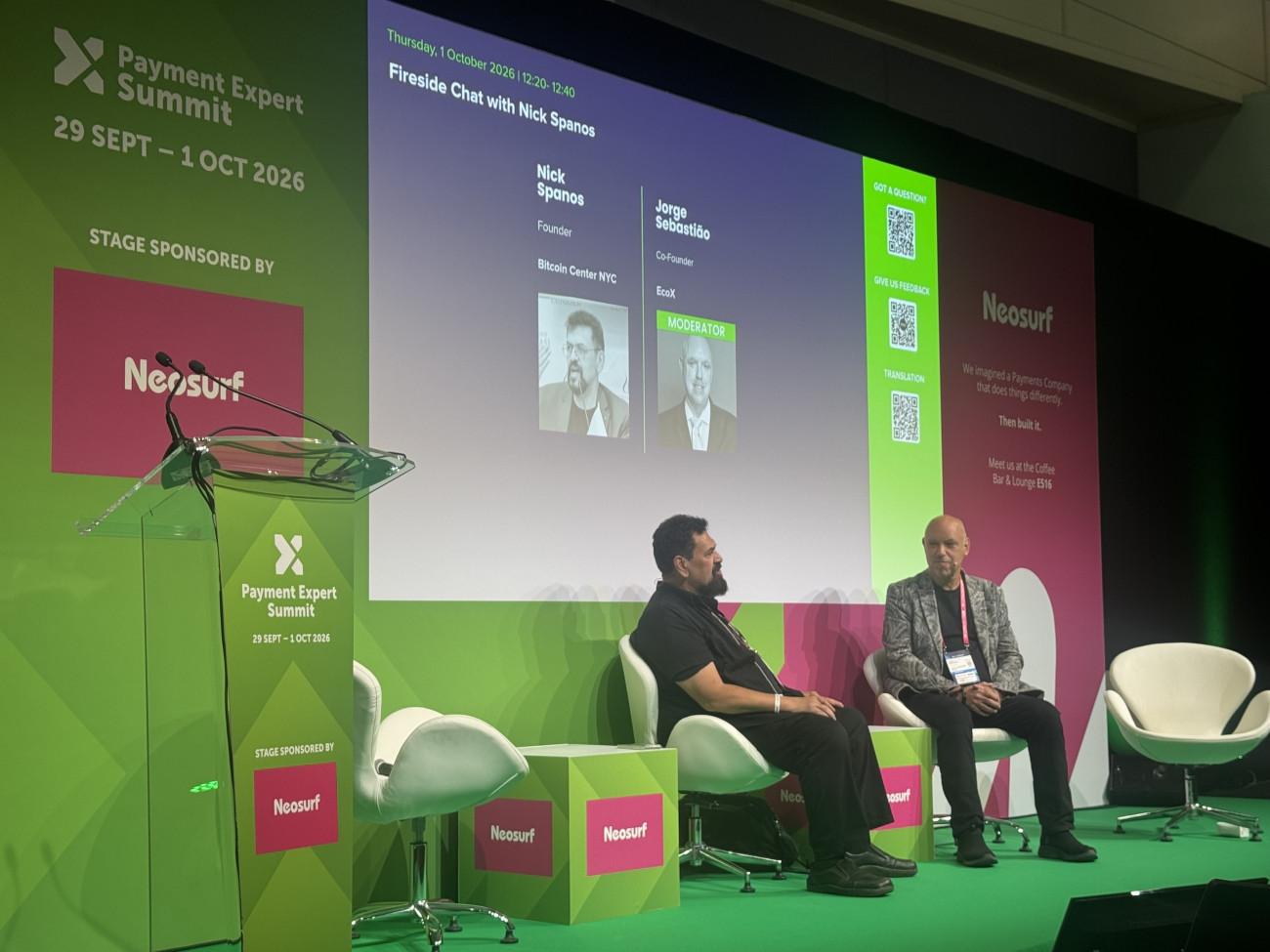
That dynamic puts the largest banks in a powerful position to shape standards through commercial terms. Critics argue this undermines the principle of consumer-owned data. As Steffen Vollert of Volt noted during Payment Expert Summit on September 16: “Decentralisation sounds sexy, but if we can’t make open banking work with the biggest banks in the world, we’re not ready for the next step.”
The deal also highlights the commercial stakes of data access. By formalising pricing structures, banks and aggregators are laying the groundwork for monetised data-sharing models, even as consumer groups stress affordability and transparency.
Speaking alongside Vollert, Martinho Lucas Pires, Head of Policy Affairs at Portugal Fintech said, “This is not only a technological challenge but a political one. The question is whether financial data belongs to the institution or to the consumer. Agreements like this signal progress, but they don’t answer that bigger question.