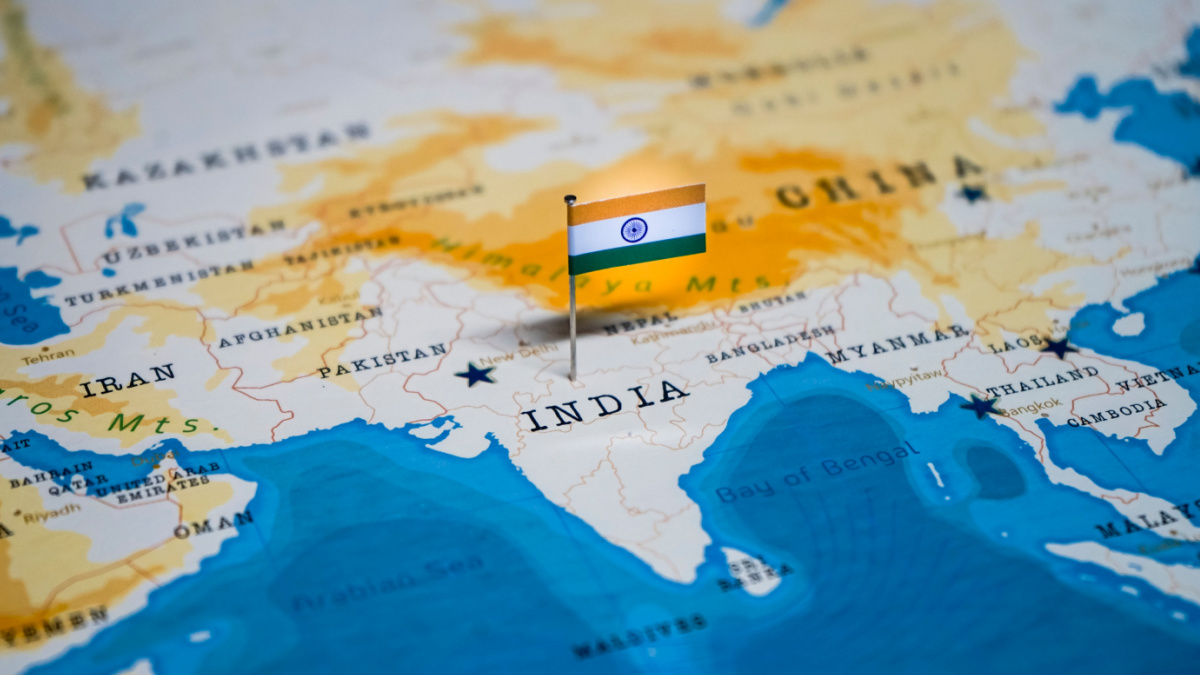
India is preparing to turn its ubiquitous real-time payments rail into a channel for credit.
The National Payments Corporation of India (NPCI), which runs the Unified Payments Interface (UPI), has begun offering banks the plumbing to attach pre-approved credit lines to customers’ UPI apps, NPCI chief Dilip Asbe told The Financial Times.
The lines may be secured against assets such as gold or investments and can be used for merchant payments, peer-to-peer transfers or cash withdrawals.
The policy has been years in the making. In September 2023 the Reserve Bank of India cleared the way for “pre-sanctioned credit lines” to be used over UPI.
The NPCI followed with an operating circular and, on July 10 this year – an addendum instructing banks, payment firms and app providers to enable new controls and merchant category configurations. Those changes must be in place by 31 August.
UPI’s scale provides ample distribution. The network processed a record 20.01 billion transactions in August, up from 19.47 billion in July, according to figures based on NPCI data. Since launching in 2016, UPI has become a central layer of the government’s ‘India Stack’ of digital public infrastructure.
Why the change?
The credit push is framed as a response to India’s persistent gap between near-universal account ownership and relatively low use of formal borrowing. The World Bank’s latest Global Findex shows 89% of adults held an account in 2024, but inactivity rates remain elevated by international standards.
India has already tested credit overlays on its instant payments rails. Since 2022, RuPay credit cards can be linked to UPI so that card transactions ride on the same QR and app interfaces. The new move goes further by letting banks present revolving or overdraft-style credit lines as a funding source inside UPI.
Best practice from overseas?
Other countries are edging in a similar direction. Brazil’s central bank plans to add an installment feature, Pix Parcelado, to its Pix instant-payments system in later this month, allowing customers to split purchases while merchants are paid in full at once.
The bank has been at pains to say Pix is public infrastructure rather than a competitor to private firms.
For now, Indian banks are adapting their systems to the new rules and end-use checks. Asbe told the FT that appetite for credit via UPI remains limited but could rise as lenders and apps integrate the functionality. With the operational switch flipped, the experiment will unfold at national scale.