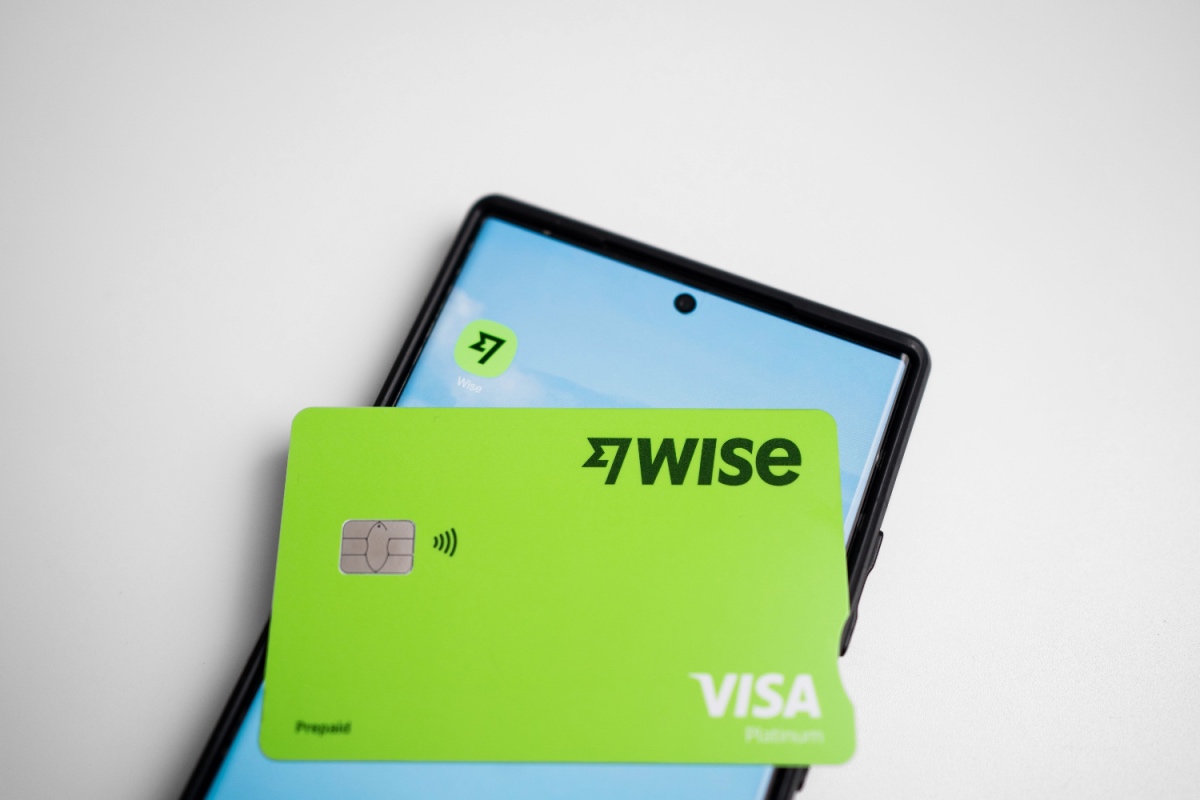
Wise has become a provider in Google’s new US ‘remittance experience’, to allow consumers to send money internationally through Google Wallet or by searching for select currency exchange rates on Google Search.
Announced on August 12, the integration makes global payments infrastructure directly accessible through Google utilities such as Search and its Wallet. The rollout will initially be tested with Google users in the US, aiming to simplify cross-border payments for both individuals and businesses.
Wise Platform already supports international payments for major banks and fintechs, including Morgan Stanley, Standard Chartered, Brex and Ramp. Wise was founded in 2011 as Transferwise, which created a new platform to eliminate poor exchange rates and high fees on international payments,
“Sending money abroad is a routine necessity for millions of people and businesses, but it’s not always easy for customers to find the right provider,” said Lauren Langbridge, Commercial Director for Wise Platform.
“By joining forces with Google, Wise will enable fast, reliable international payments for more users across the US, and empower everyday people to make the best choice based on their needs.”
Discovery and onboard
Traditionally, international payment flows have required multiple steps, such as app downloads, identity verification and multi-step redirects. The Google-Wise integration looks to provide a more efficient way to onboard customers with improved financial resources.
Users searching for international transfers, such as USD to INR, PHP, MXN, or BRL, can now initiate transactions directly from search results. This signals a shift, as search engines are becoming conversion channels.
For B2B payment providers, integration into these new digital touchpoints could be critical to remain competitive, as the search layer itself now functions as a payments funnel.
Transparency as a competitive advantage
The new remittance experience highlights fees and transaction speeds upfront, pushing providers toward greater transparency. Blended FX margins or vague “low fee” claims will no longer be enough and settlement windows and speed guarantees must now be as clear as possible, with comparability becoming a differentiator.
This shift mirrors wider trends in financial services. Credit and payment providers like Klarna have launched initiatives such as Wikipink, showcasing transparent data on fees, repayment rates and customer demographics.
In April 2024, David Sykes, Chief Commercial Officer at Klarna, commented: “We still see too many of the traditional banks and credit card companies pushing products on consumers with exorbitant interest rates, hidden fees, and revolving debt.
“It is very clear that the traditional credit card model does not work in the favour of the vast majority of customers. Wikipink is not just a showcase of Klarna’s achievements, but a call to action for the entire financial industry to prioritise consumer well-being.
“By sharing our data and practices openly, we aim to inspire a shift towards more ethical, transparent, and consumer-friendly credit options.”
The focus on transparency is particularly timely given rising scrutiny over payment giants like Mastercard and Visa, with regulators across Europe encouraging the use of alternative providers to increase competitiveness and support European financial sovereignty.
Thomas Byrne, Head of Product EMEA at nCino, told Payment Expert in March 2024 that traditional banks and payment providers often rely on trust and familiarity.
However, the Google-Wise integration demonstrates how discovery and comparison could enable smaller or lesser-known firms to compete on transparency and service quality, not just brand recognition.