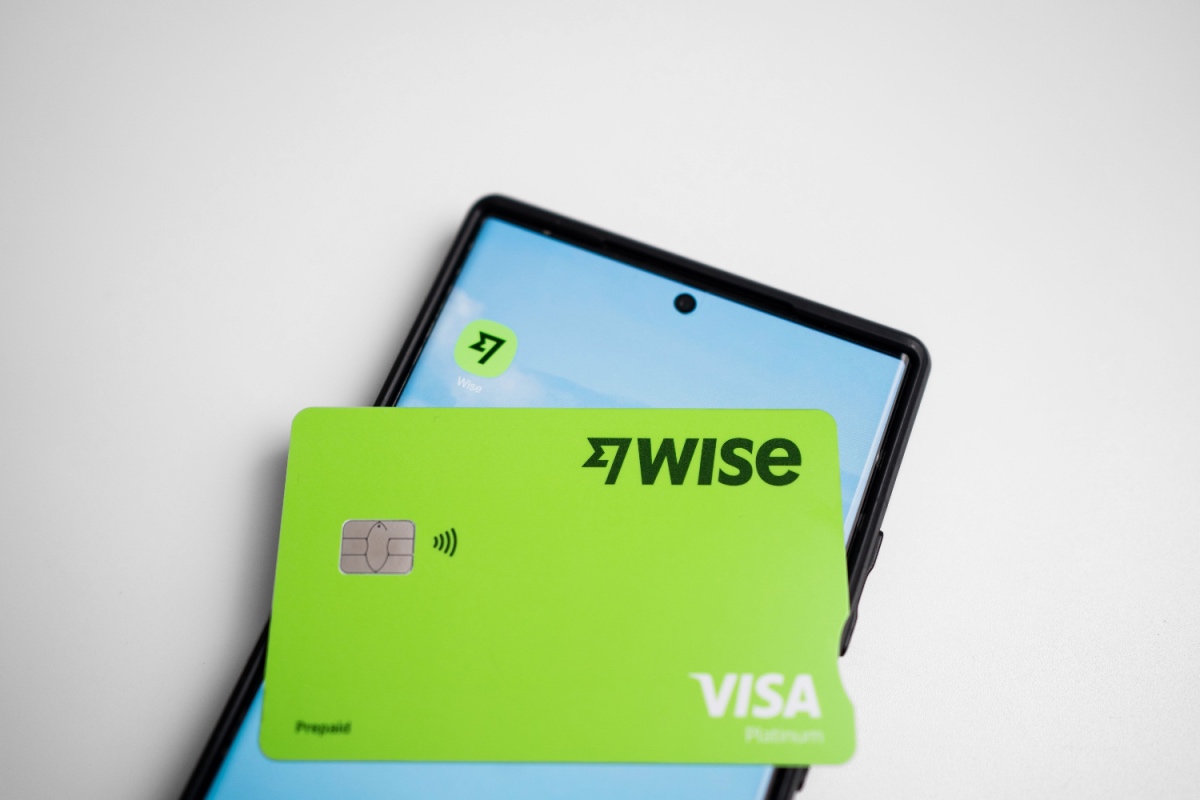
Wise has confirmed it is targeting the first half of 2026 to complete its long‑planned dual listing, a move the company says will raise its profile in the US as it pushes to become “the network for the world’s money.”
The timeline was set out in its Q3 FY26 trading update, published on 20 January, where Co‑founder and CEO Kristo Käärmann said the listing forms part of a broader strategy to accelerate global growth.
The company also noted costs related to the dual listing are included in its updated profitability expectations, with Wise now anticipating its FY26 underlying profit before tax margin will land “towards the top” of its medium‑term 13–16% target range.
A strong quarter sets the stage
Wise’s latest numbers give the listing narrative a supportive backdrop. Cross‑border volumes rose to £47.4bn in Q3, up 25% year‑on‑year (26% on a constant‑currency basis), while active customers reached 10.9 million, a 20% increase. Customer holdings climbed 34% to £27.5bn, reflecting continued adoption of the Wise account, and card and other revenue grew 30% over the same period.
Business usage remained a standout: Wise Business active customers rose 25% to 542,000, with business volumes up 37%. Underlying income reached £424.4m, up 21% year‑on‑year on both a reported and constant‑currency basis. The company reiterated that it expects to finish FY26 “around the middle” of its 15–20% underlying income growth guidance range.
Operationally, Wise emphasised progress on infrastructure. Käärmann highlighted that 74% of transfers were delivered instantly — nine percentage points higher than a year earlier – and pointed to new milestones including the launch of the Wise travel card in India, which attracted more than 75,000 customers to its waiting list in a month; becoming the first non‑bank to introduce Google Pay in the Philippines; securing conditional licence approval in South Africa; and going live with a direct integration to Japan’s Zengin system, bringing its total number of domestic payment integrations to eight.
Why a dual listing now? The broader market context
While Wise’s update doesn’t comment on the listing environment, the timing lands in a moment when fintechs are reassessing where they want to be traded, and where investors are most receptive.
Over the past few years:
- Several European fintechs have explored or executed US listings to access deeper liquidity and higher valuations, particularly for high‑growth, infrastructure‑heavy businesses.
- The US market has historically rewarded profitable, scaled fintechs more consistently than European exchanges, especially those with strong consumer brands or payments infrastructure exposure.
- Conversely, Europe has seen a more cautious IPO environment since 2022, with fewer large‑cap tech listings and a tendency toward more conservative pricing.
Wise’s decision to pursue a dual listing – rather than a full relocation – mirrors a pattern among global tech firms which want US investor access without abandoning their home market. It also aligns with the company’s stated ambition to increase its US profile, a market where cross‑border payments, remittances and SME financial services remain highly competitive but underpinned by large addressable volumes.
At meetings held on July 28, Wise shareholders overwhelmingly voted in favour of the company’s proposed scheme of arrangement to transfer its primary listing from the London Stock Exchange’s (LSE) Equity Shares (Transition) category to a US exchange. The move, which has been in consultation since June, also includes maintaining a secondary listing on the LSE.
Wise framed the quarter as evidence of its long‑term strategy taking hold. “We served nearly 11 million active customers this quarter,” Käärmann said, adding that the company remains focused on “accelerating global growth and becoming the network for the world’s money.”