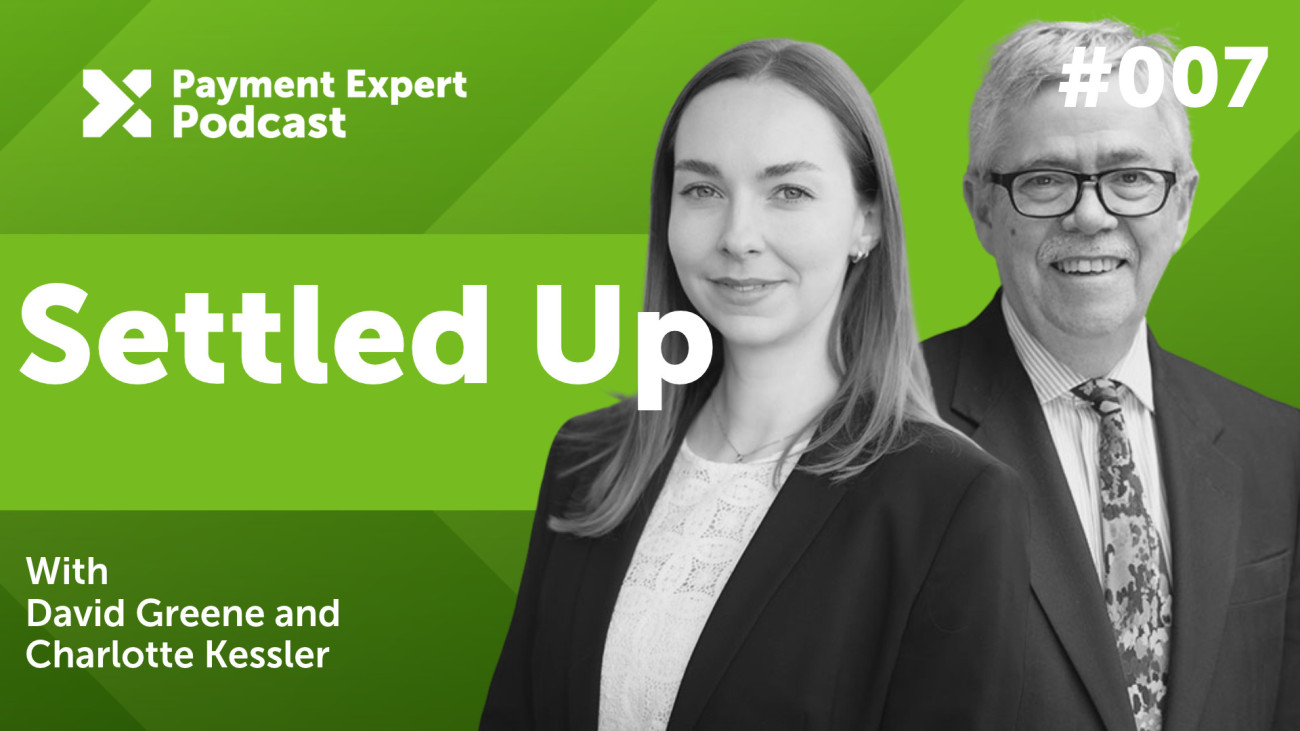
Edwin Coe’s Charlotte Kessler said payment apps that look like bank accounts leave younger users, and people who struggle to open a bank account, most exposed when an e-money firm fails.
Customers of collapsed e-money institution Guavapay are unlikely to get all of their money back, according to two lawyers acting for them. Charlotte Kessler, a commercial disputes and class actions lawyer at Edwin Coe, and David Greene, Senior Partner at the firm, joined the Payment Expert Podcast to discuss the shortfall and what consumers should check before trusting a payment app.

Guavapay agreed restrictions with the Financial Conduct Authority (FCA) in September 2025 and entered compulsory liquidation in January 2026. Repayments began after the regulator intervened but stopped partway through, Greene said, which left many customers with only part of their balance returned.
Of the safeguarded funds meant to cover the rest, he said: “As far as I understand from the liquidator, there’s no money in the bank.”
Edwin Coe: the app looked like a bank
MyGuava let customers view their transaction history, send money abroad and pay by card. “It functions so similar to a conventional bank account that it’s really hard for consumers to understand that it’s not a bank account,” Kessler said. In law, an e-money customer is buying a means of payment rather than depositing money for safekeeping, a distinction she doubts most account holders understand.
Guavapay’s registration as a small EMI put it at what Edwin Coe’s Greene called “the lowest point of regulation” for FCA oversight. He found this odd for a firm with “a very substantial marketing budget.”
The firm did tell customers it was not a bank and their funds sat outside the Financial Services Compensation Scheme (FSCS). Kessler questioned whether the disclosure went far enough. Under-30s use e-money apps at a marginally higher rate, she said, and people who cannot open a conventional bank account are drawn to EMIs because they are easier to join.
E-money institutions safeguarded about £26bn in 2024, according to the FCA, and its stricter CASS 15 safeguarding rules took effect in May this year. A month later the regulator ordered Euro Exchange Securities to stop providing e-money services, citing weaknesses in its safeguarding.
Liquidation costs fall on customers

Guavapay’s liquidators now have to establish whether safeguarding accounts were held properly. “As far as we know, there is at least a shortfall,” said Kessler, who urged customers to register their claims.
Pursuing recoveries costs money, and this money comes out of what customers are owed.
Liquidators are paid from the company’s assets and rarely chase claims unless the returns justify the cost. Edwin Coe’s Greene stressed he knew nothing to suggest Guavapay’s former office holders could be pursued. “Let’s say Guavapay owes £10,000. If liquidators are spending money pursuing those that might have some liabilities, that money is going to come out of that £10,000,” he said.
Questions over the FCA’s oversight will be answered in due course, according to Greene, but “that doesn’t do the creditors much good. They’d actually like their money.”
Before using any payment app, Kessler said consumers should look up the legal entity behind it on the FCA’s firm search. They should also check whether the provider promises safeguarding or FSCS protection, which she called “two quite different things.”
Greene’s advice was to keep balances small, spread them across providers and treat an e-money account “as it is, which is just a payment process.”
The latest episode of the Payment Expert Podcast is available now on Spotify, YouTube, Apple Podcasts, and all major podcast platforms. Subscribe to the Payment Expert newsletter so you don’t miss an episode.