Stablecoins continue to merge traditional finance and blockchain, but Citi and Coinbase are seeking to deliver a more compliant, bank-like method of merging digital currencies and fiat currency payments.
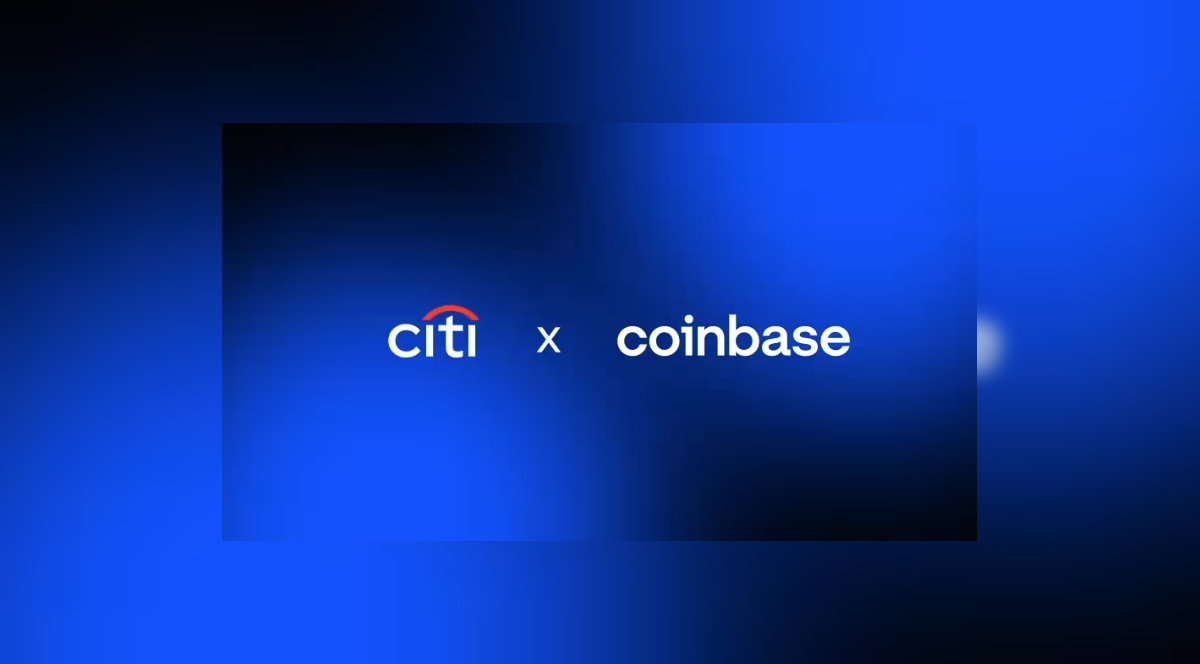
Citi and Coinbase are expanding their partnership to bring stablecoin payment acceptance to US merchants.
Citi will leverage the Coinbase Payments platform to allow its institutional clients to accept stablecoin payments at checkout via its integrated payment acceptance platform, Spring by Citi.
Coinbase Payments will enable merchants to convert stablecoins, such as USDC, into their preferred fiat currency. Citi will settle the funds as the bank of record, empowering up to 150 million stablecoin holders to make payments with Citi merchants.
Debopama Sen, Head of Payments, Services at Citi, said: “Our clients operate in an increasingly fast-paced and complex global economy, and we’re focused on delivering the solutions they need.
“Our goal is to build the next generation of payments infrastructure – one that is seamless, interoperable, and operates across both traditional and digital payments instruments and networks. This is about enabling the future of commerce, today.”
Building bank-grade infrastructure
Another element of the Citi and Coinbase partnership is the ability for Coinbase customers to perform bank-account-like functionality to hold, accept and pay funds by converting fiat currencies into their preferred stablecoin.
Coinbase selected Citi’s Virtual Account Wallet service, which acts as a Banking-as-a-Service solution, to provide regulated banking infrastructure to support the integration of digital assets into global financial systems.
This means that Coinbase Virtual Account users can on/off ramp between traditional and digital assets and currencies within the regulated, compliant framework of traditional finance.

Alec Lovett, Head of Infrastructure Product at Coinbase, said: “Fintechs building on Coinbase have always needed a fast, compliant bridge between fiat and stablecoins, and Citi gives us that at scale.
“By powering our Virtual Accounts with Citi’s regulated banking infrastructure, we’re giving businesses bank-account-like functionality with the speed of stablecoins underneath it, and pairing that with stablecoin acceptance through Spring by Citi means our shared customers can move between fiat and digital assets without ever having to think about which one they’re touching.”
Both parties are seeking to unlock 24/7 availability for clients to connect traditional banking and blockchain services to perform payments without having to handle additional infrastructure to hold, settle and accept fiat and digital currencies.
First stablecoin use case of its kind?
Citi and Coinbase’s extended partnership enabling interoperable fiat and digital currency payments via traditional banking rails is one of the latest examples of how the two financial sectors continue to run in parallel with one another.
With blockchain networks increasingly being relied upon as an underlying payment rail for instantaneous settlements, large entities such as Swift have built their own blockchain-based ledger, while JP Morgan has developed the JPM Coin to facilitate tokenised deposit transfers.
One of the earliest use cases of traditional and blockchain interoperability came in 2022, when the world’s largest asset manager BlackRock partnered with Coinbase to integrate the crypto exchange’s Prime service to its Aladdin portfolio.
Coinbase leveraged BlackRock’s regulated financial infrastructure to bridge capital between traditional asset management and digital currencies circulating on blockchain networks.
Digital asset custody was at the heart of BNY Mellon’s partnership with Fireblocks and Chainalysis. This allowed banks to embed blockchain technology to support banks and financial institutions in holding digital assets securely under their traditional banking safeguards.
Among other stablecoin merchant acceptance partnership use cases, Coinbase has worked with the likes of Shopify and Checkout.com to allow customers to pay directly with USDC by lending its infrastructure to those e-commerce platforms.
USDC issuer Circle has been accelerating the usage of the stablecoin by making it programmable on Stripe, Worldpay and Visa terminals via the backend.
However, Citi and Coinbase’s recent stablecoin and bank-like gradable services leverage the regulatory-compliant infrastructure of Citi with Coinbase’s blockchain-based payments services to perform secure fiat and digital currency transactions, all within the same process, differing from past use cases.