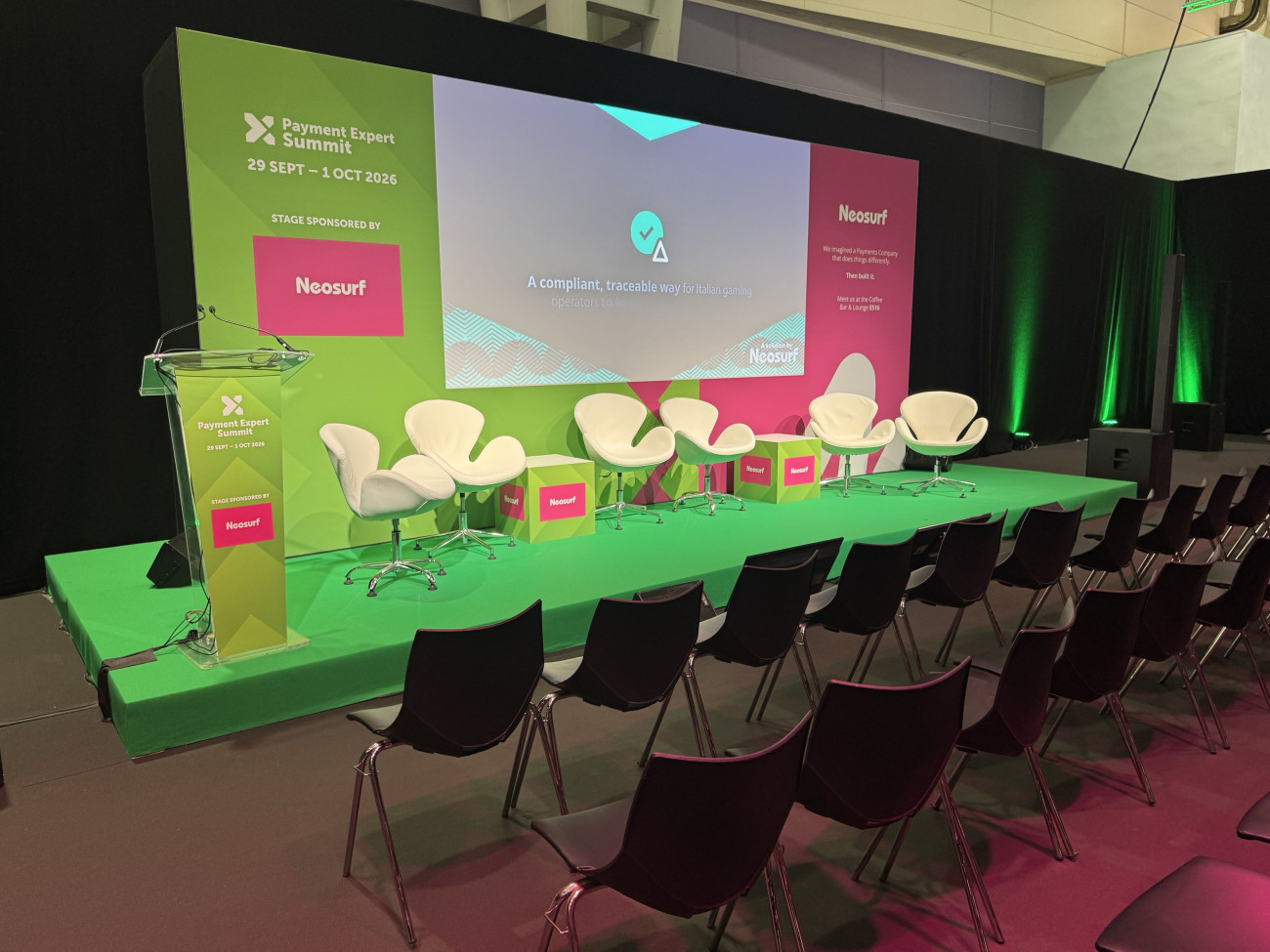
The Payment Expert Summit runs three days at SBC Summit 2026 in Lisbon, with stage tracks on fintech, payment compliance and crypto and blockchain
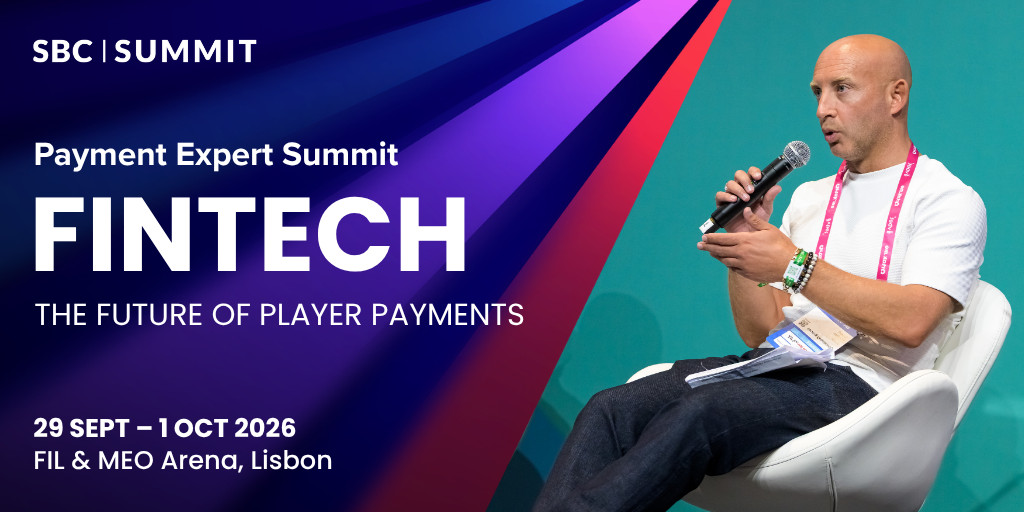
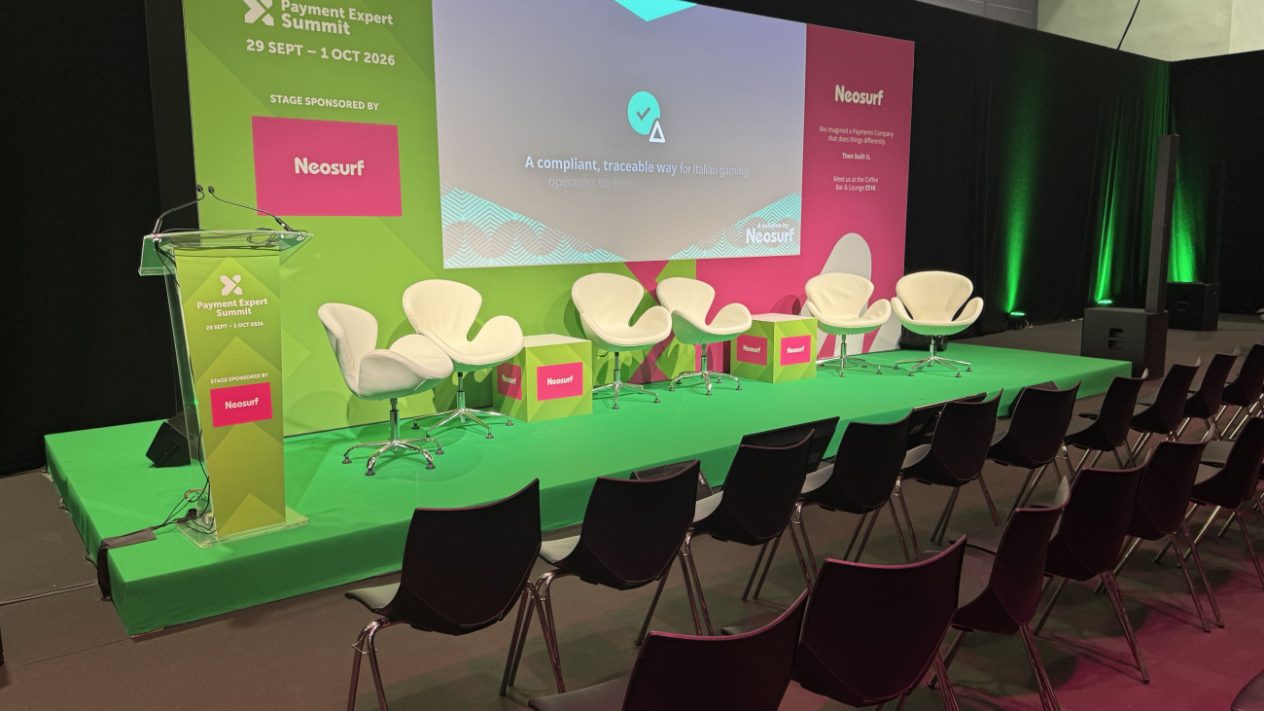
The Payment Expert Summit stage opens at SBC Summit 2026 on Tuesday, 29 September, and runs to Thursday, 1 October at the Feira Internacional de Lisboa and the MEO Arena in Lisbon.
The stage carries three tracks. The Fintech track runs on the first day, examining how financial technology affects player payments, compliance and responsible gambling.
The Global Payment Compliance track follows on Wednesday, 30 September, covering payments, fraud, AML and regulatory change. The Crypto & Blockchain track closes the stage on Thursday, 1 October.
Day 1 – 1:00PM – Payment Expert Summit – From Click to Cashout: Building Reliable Payment Infrastructure
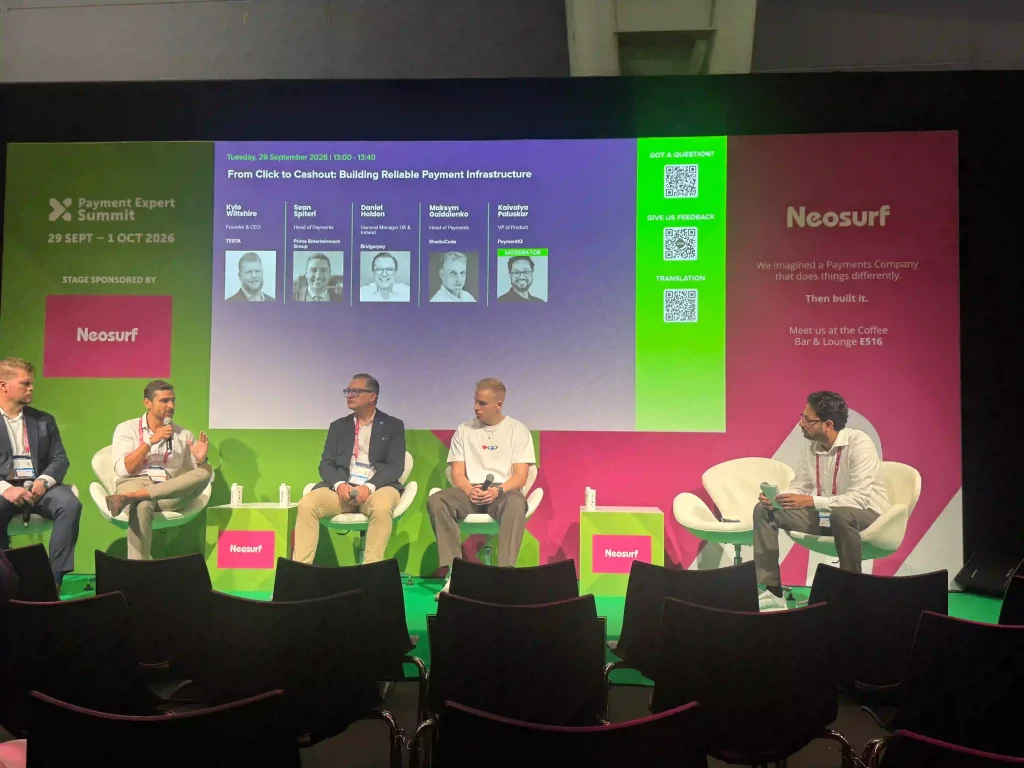
Panellists at the Payment Expert Summit, part of SBC Summit, debated where operators lose players in the deposit process and how the cashier is changing.
The session brought together Sean Spiteri, Head of Payments at Prime Entertainment Group; Kaivalya Paluskar, Head of Product at PaymentIQ; Maksym Gaidaienko, Head of Payments at SharksCode; Daniel Holden, General Manager UK & Ireland at Bridgerpay; and Kyle Wiltshire, Founder and CEO of TESTA.
Discussion centred on friction in the payment journey — the points at which a user abandons a deposit — and the cashier’s expanding role beyond processing payments.
Payment friction costs operators players at three points in the deposit process, Gaidaienko said. “I’d pick three stages of the user’s journey. The first, even before the payment, is where the user sees the payment methods — which might not be well localised — and just leaves the cashier or the brand.
“The second is when the user makes the payment and a poorly selected payment route leads to a failure, so the user leaves. The third is how long it takes to make the deposit or withdrawal. If the processing time is too long, the user simply won’t wait.”
Users judge the process as a whole rather than step by step, he said: “The user doesn’t think about those individual steps. They just see the journey overall, and if they don’t like it, they leave the brand.”
Wiltshire, whose firm runs crowd testing of first-time deposit flows, sorted deposit failures into two categories. “Most issues fall into two broad categories. One is UX and brand — the offer didn’t match what was advertised, they get frustrated, or you’re asking for forms of KYC they’re not comfortable with, and they decide to move on. The other is more functional — they actually try, and something breaks.”
The issue determines the fix needed, he said: “Either you’ve done something wrong before you’ve earned their trust, or something breaks in the financial plumbing of getting their payment. Those two need very different solutions.”
Holden said the cashier’s role is widening beyond the payment itself. “There’s a much more expansive role for the cashier. It goes beyond the payment into ID verification, AI optimisation, and how you re-engage players. Over time the cashier becomes less of a friction point and more about brand engagement. You’ll see operators wanting far fewer choices and a seamless solution.”
Paluskar added operators need to measure that final step. “You can’t improve what you can’t measure. The cashier is the last point in the acquisition journey, where the player actually deposits, so that’s the point you have to measure. I’d call it a leak diagram rather than a funnel, because you’re losing every player who opens the cashier.”