Mobile payments have become one of the most popular payment methods in many regions across the world due to their speed, convenience and accessibility for underserved and underbanked populations.
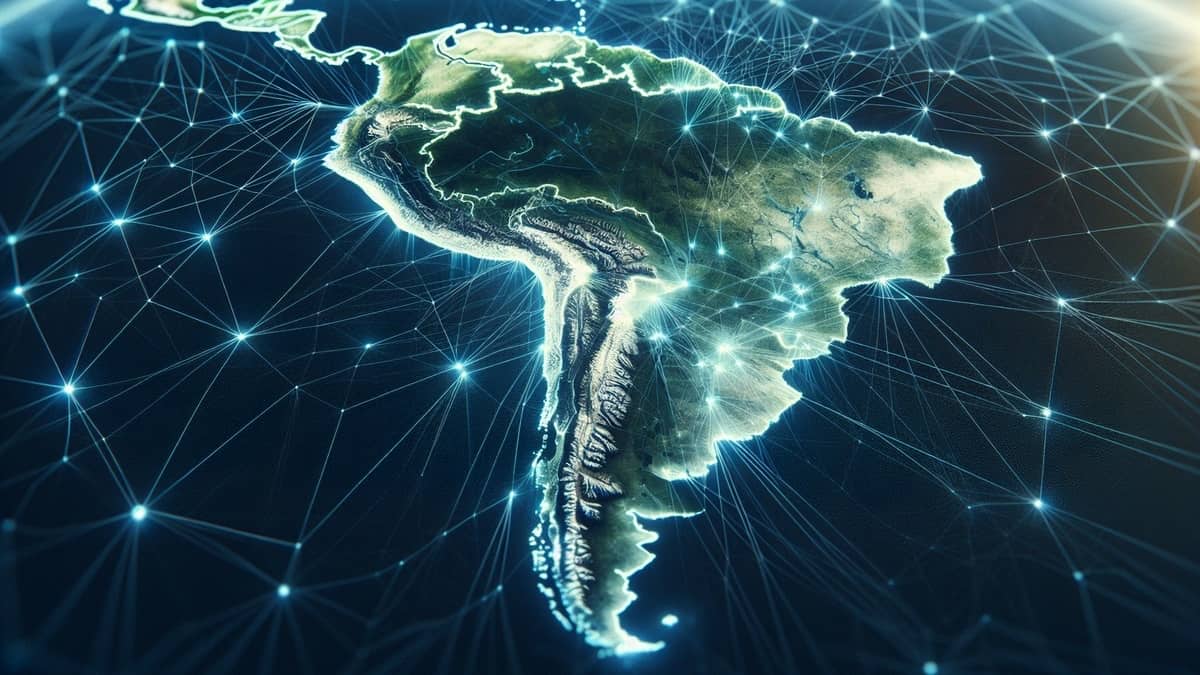
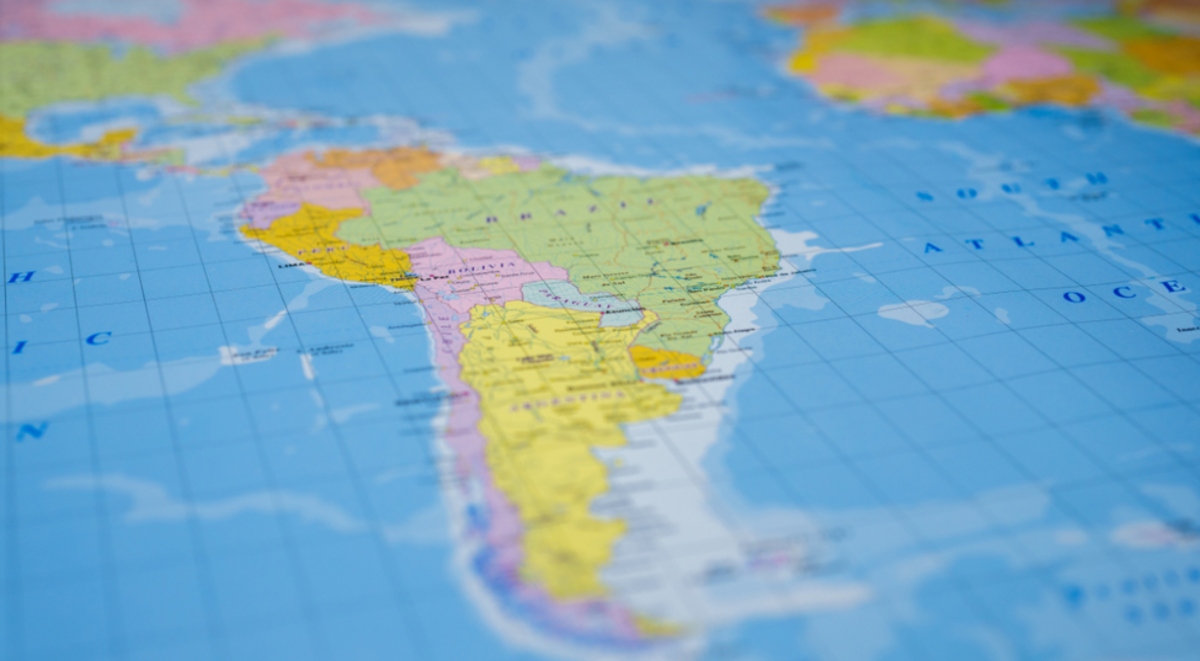
One of the regions where mobile payments have surged in usage in recent years is Latin America.
The market has grown among adults, with 48% using mobile payments in the region, an increase from 22% in 2019 according to research from Hope Research Group.
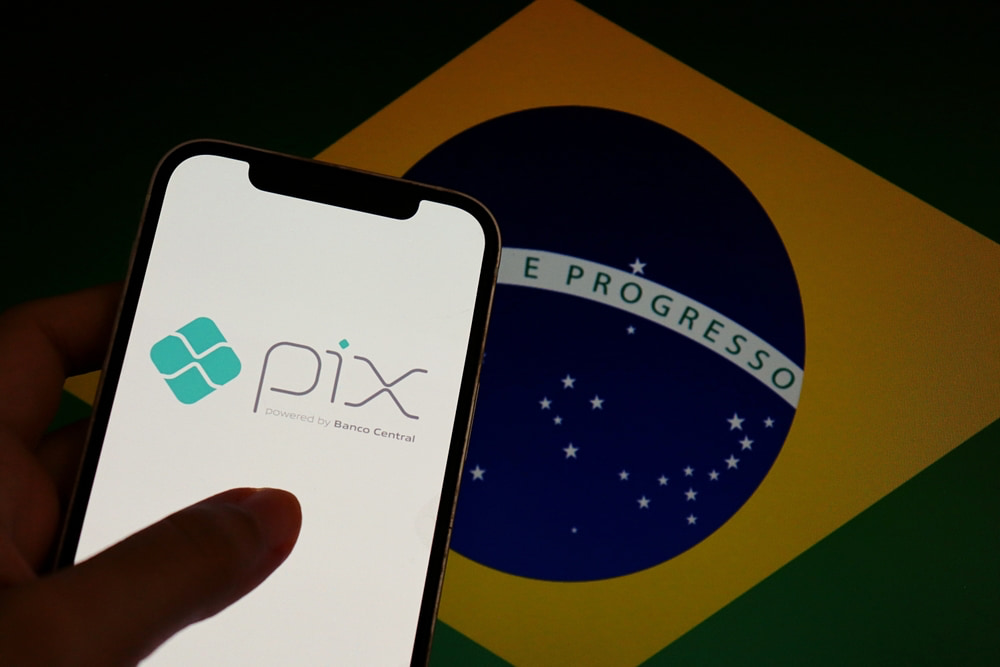
Findings from Grand View Research revealed that the Latin America mobile payment market generated $6.8bn in 2024, with Brazil making up over 54% of the region’s spending primarily due to the popularity of PIX.
The financial inclusion of mobile payments
Due to the geographical barriers blocking the building of physical bank branches and ATMs in certain countries, mobile payments have offered a lifeline to many in these areas.
Mobile payments only need to have an internet connection to perform payments that bypass administrative traditional banking systems with the use of an official bank account.
These bank accounts also do not need a minimum to be held in balances and remove the need for extensive paperwork. Mobile platforms support Know-Your-Customer (KYC) and a digital ID to identify the user.
Mobile payments also create greater access to credit as underbanked citizens lack the support for traditional loans. Mobile payment data can also be used to assess creditworthiness for microloans and insurance.
Low transfer costs of mobile payments make moving small sums economically viable for users, enabling them to hold micro-savings in digital wallets, participate in pay-as-you-go utility services, and send domestic or cross-border remittances.
Direct distribution of welfare subsidies, pensions, and emergency relief to citizen mobile wallets reduces administrative overhead, minimises corruption, and prevents middleman leakage.
Street vendors and small merchants can accept mobile payments via QR codes without investing in expensive Point-of-Sale (POS) hardware.
The different mobile payment types in LatAm
Central Bank Real-Time Payment Rails
- Payment Type: Instant, zero-cost Account-to-Account (A2A) infrastructure governed by central monetary authorities.
- Key Providers & Countries: Pix (Central Bank of Brazil), Bre-B (Central Bank of Colombia), SPEI (Mexico).
WanderWallet - Primary Use Case: Replaces cash for daily peer-to-peer (P2P) transfers, street vendor purchases, and bill payments using simple identifiers or standardised QR codes.
Fintech Super-Apps & Interoperable QR Networks
- Payment Type: All-in-one digital wallets providing digital store of value, merchant payment scanning, and integrated micro-financial services.
- Key Providers & Countries: Mercado Pago (Regional: Argentina, Mexico, Brazil, Chile), Yape (Peru), Nequi / Daviplata (Colombia), PicPay (Brazil).
Hope Research Group - Primary Use Case: Enables small businesses and merchants to accept digital payments via smartphone screens or QR codes without paying expensive card-terminal fees or acquiring traditional bank merchant accounts.
Convenience Store Cash-to-Digital Onramps
- Payment Type: Hybrid digital wallets tied to physical retail networks to onboard unbanked cash-heavy populations.
- Key Providers & Countries: Spin by OXXO (Mexico), Mercado Pago Cash-in Agents (LATAM-wide).
- Primary Use Case: Turns neighborhood corner stores into digital hubs. Underbanked users deposit physical paper money at local retail counters to instantly fund a mobile wallet. This enables them to make online purchases, pay bills, or streaming services without a formal bank account.
Mobile Buy Now, Pay Later (Digital Cuotas)
- Payment Type: Alternative credit scoring integrated directly into e-commerce checkout and mobile wallet apps.
- Key Providers & Countries: Kueski Pay, Aplazo (Mexico), Addi (Colombia, Brazil), Mercado Crédito(Regional).
- Primary Use Case: Providers analyse alternative mobile phone data and wallet behavior to issue real-time micro-credit approval at checkout, allowing underbanked consumers to split payments into interest-free installments.
Crypto & Stablecoin Wallets for Remittances and Currency Hedging
- Payment Type: Blockchain-backed mobile wallets offering instant cross-border settlement and access to US-dollar-pegged stablecoins (e.g., USDT, USDC).
- Key Providers & Countries: Bitso (Mexico/LATAM), Lemon Cash, Belo (Argentina).
- Primary Use Case: Remittances: Migrants use mobile apps to send international transfers home (e.g., US to Mexico corridor) in seconds, bypassing wire service transfer fees. Inflation Protection: In high-inflation economies like Argentina, consumers hold balances in digital dollars via mobile wallets and spend them locally using linked debit cards that convert stablecoins to local currencies.