The Georgian government and its central bank is working alongside Tether to launch a Georgian Lari stablecoin which will also be compliant with its new stablecoin payment framework.
Georgia has become the latest European country to develop a national stablecoin after Tether announced it will help launch a digital version of the Georgian Lari, pegged 1:1 to the local currency.
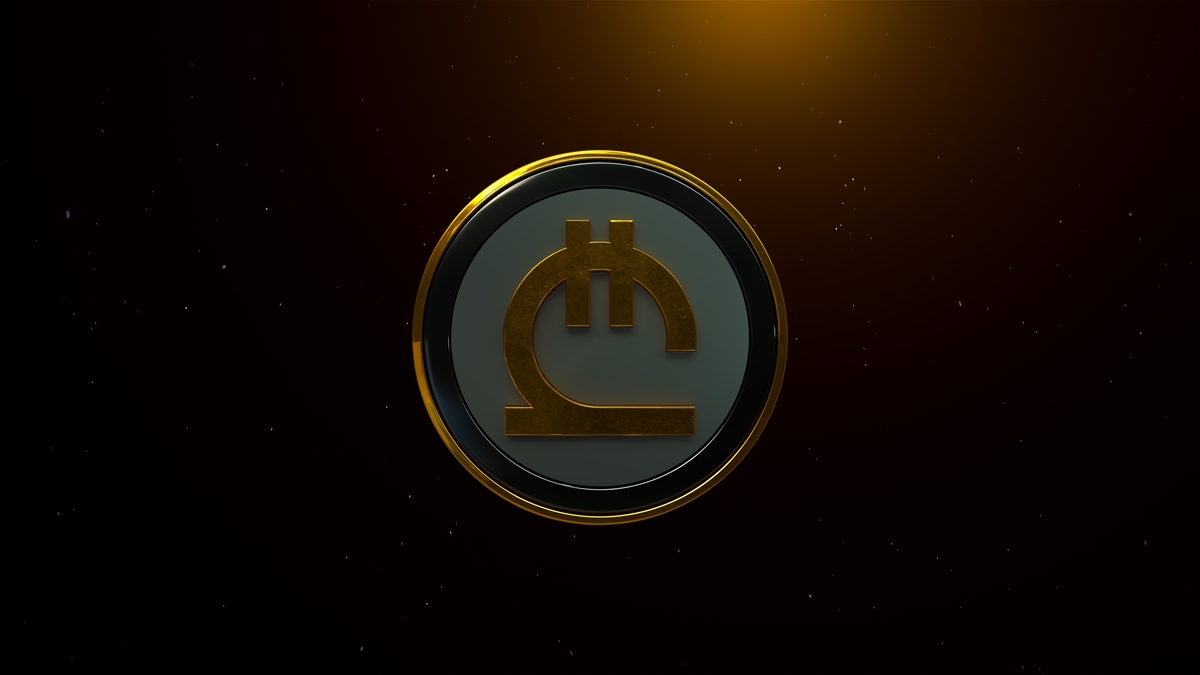
The Georgian Lari-denominated stablecoin, or GEL₮, will be co-developed between Tether, the Georgian government and the National Bank of Georgia.
According to a statement from Tether, GEL₮ will offer lower translation costs, near-instant settlement and programmable payments on digital asset payment rails. The stablecoin will also support cross-border settlement, fintech adoption and wider digital payments to become accessible to Georgian citizens.
Paolo Ardoino, CEO of Tether, said: “Stablecoins are no longer a niche financial instrument. They are becoming part of the infrastructure layer for global finance.
“Georgia has moved early to create serious regulatory architecture for digital assets and stablecoins, and that clarity creates the foundation for real innovation and adoption.”
Tether currently issues six stablecoins, including the world’s most valuable by market capitalisation, USDT, with an estimated volume of $190bn. The company also issues stablecoins in local currencies, such as the Mexican Peso with MXNT.
Georgia’s digital asset regulatory framework
Tether’s partnership with the Georgian government becomes “one of the first joint efforts to place a national currency directly onto digital asset rails under a purpose-built stablecoin regulatory framework”.
The local government and the National Bank of Georgia have been developing a regulated digital asset framework to support the adoption of stablecoins to attract corporate investment in its digital asset market.
Under current guidelines, virtual asset service providers (VASP) either seeking or already operating in Georgia are required to provide ownership information, a business plan, and the definitions of the services they provide.
Earlier this year, the country passed a dedicated regulatory framework for stablecoins, with the Georgia Department of Banking and Finance overseeing its enforcement.
Issuers, like Tether, are required to apply and hold licenses to support stablecoin payments in-and-out of the country. Issuers must also maintain 100% backing of stablecoins to the fiat currency tied to it and publicly disclose reserves to the Department of Banking and Finance.
The framework has also been designed to support non-Georgian businesses to enter the country under transparent regulations by leaning on global standards outlined in other frameworks across the world.
One of these legislations the National Bank of Georgia has looked to make its framework compliant with is the US GENIUS Act. This framework is expected to take effect in Spring 2027 and was passed in July 2025 to provide clear and transparent guidance for issuers and payment providers utilising stablecoins.
Natia Turnava, President of the National Bank of Georgia, added: “The National Bank of Georgia welcomes collaboration with global innovators like Tether as part of its broader strategy to advance secure, modern, and internationally aligned digital financial infrastructure.”
The latest European currency stablecoin
While the European Central Bank (ECB) continues to push for a central bank digital currency (CBDC) – the digital euro – many European Union (EU) nations have begun to assess whether a local currency stablecoin is a more beneficial option.
Frankfurt-based AllUnity announced last week it has plans to launch a Swedish Krona-denominated stablecoin designed for agentic commerce and payments.
Perhaps the most significant euro-denominated stablecoin project, Qivalis intends to launch its digital currency in the second half of 2026 in a bid to not only close the market gap on US dollar stablecoins, but to protect Europe from digital dollarisation.
The proliferation of US dollar stablecoins, now backed with regulatory guidance of the GENIUS Act, has become a cause for concern for leading European figures such as ECB President, Christine Lagarde.
However, she and many ECB executives believe a CBDC like the digital euro is Europe’s best and most secure chance of protecting its currency sovereignty, while still realising the settlement benefits of blockchain technology.