Investment in Stablecoin Development Corporation signals a shift towards infrastructure and public market exposure as stablecoin usage scales globally.
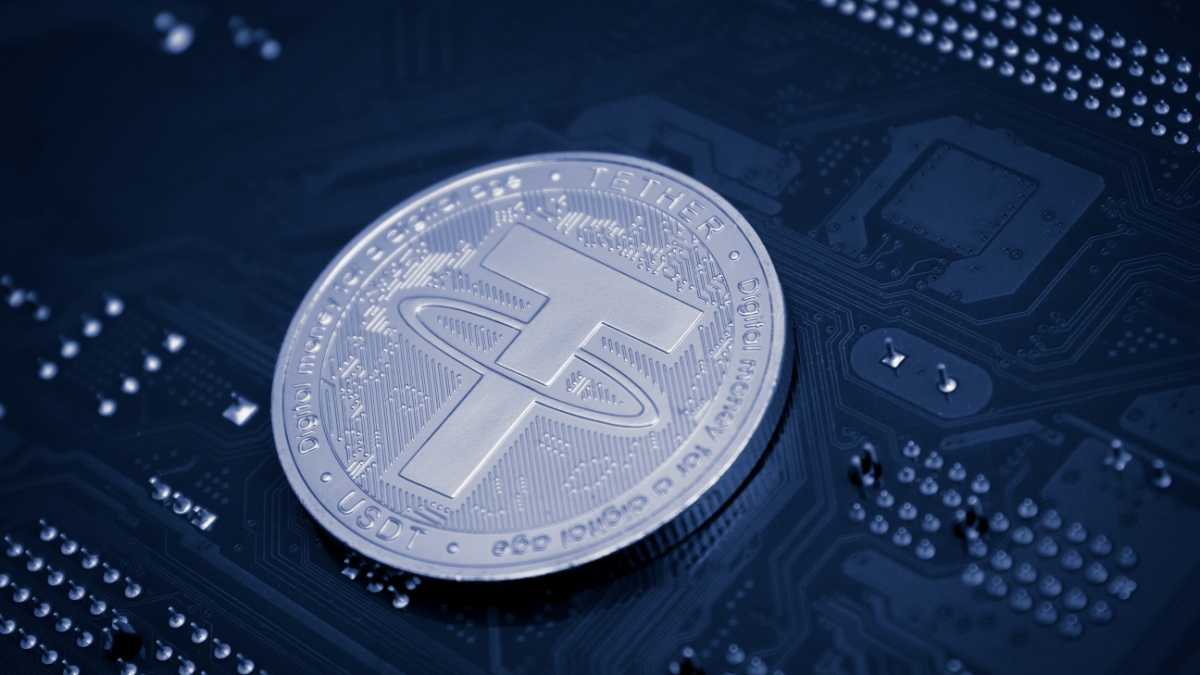
Tether has participated in a $134m financing round for Stablecoin Development Corporation (SDEV), marking a move by the world’s largest stablecoin issuer to deepen its exposure to the infrastructure underpinning digital dollar adoption.
The round, which also included Framework Ventures and R01 Fund, comes just weeks after SDEV began trading on the NYSE American following its repositioning from a pharmaceutical business into an on-chain holding company focused on digital asset ecosystems.
Tether said its backing reflects a focus on “foundational infrastructure” as stablecoins move beyond trading and into broader financial use cases.
The investment offers insight into how Tether is positioning itself beyond the issuance of USD₮. While the company remains dominant in circulation, the SDEV deal centres on the systems that enable stablecoins to function at scale.
SDEV is structured as a public market vehicle designed to give investors exposure to ‘stablecoin-related economics’. Its strategy is anchored in long-term participation in blockchain ecosystems, beginning with the Sky Protocol, a successor to MakerDAO.
The company holds approximately 2.15 billion SKY tokens, representing over 9% of total supply, and has been actively generating returns through staking. Its model combines treasury management, protocol participation and governance exposure, positioning itself as a bridge between traditional capital markets and decentralised finance.
This structure appears to align with Tether’s broader strategy of deploying capital into adjacent infrastructure rather than solely expanding its own balance sheet.
Stablecoin growth shifts focus to rails
The timing of the investment reflects a broader shift in the stablecoin market. With circulation exceeding $300bn and transaction volumes reportedly surpassing $33tn annually, attention is increasingly turning to how these assets move across systems.
Rather than competing on issuance alone, firms are now focusing on interoperability, user experience and integration into consumer applications.
Paolo Ardoino, CEO of Tether, said: “Stablecoins are already being used far beyond trading, especially in places where traditional systems don’t work well. What matters now is making that infrastructure more reliable and easier to use so that people can rely on it day to day.”
His comments point to a transition from growth driven by crypto markets to one shaped by payment flows, remittances and everyday financial activity.
Public market access to crypto economics
For SDEV, Tether’s involvement adds credibility to a model that aims to bring stablecoin-linked returns into regulated equity markets.
Michael Kazley, CEO and Chairman of SDEV, said the company is building “a public-market platform aligned with the long-term growth of stablecoin infrastructure and utility”.
Unlike traditional crypto firms, SDEV is not focused on token issuance or exchange activity. Instead, it aggregates exposure to protocol-level economics, including staking rewards and governance participation, within a public company framework.
This approach mirrors a growing trend of institutionalising crypto returns, offering investors indirect exposure without requiring direct token ownership.
Strategic alignment
Tether’s investment portfolio has expanded significantly in recent years, spanning artificial intelligence, energy and financial services. The SDEV deal fits within that strategy but is more closely aligned with its core business.
By backing a company that sits upstream of stablecoin usage, Tether gains indirect exposure to the broader ecosystem without altering its own issuance model.
The move also suggests an interest in shaping how stablecoin infrastructure develops, particularly as regulatory scrutiny increases and public market vehicles emerge as a potential bridge between crypto and traditional finance.