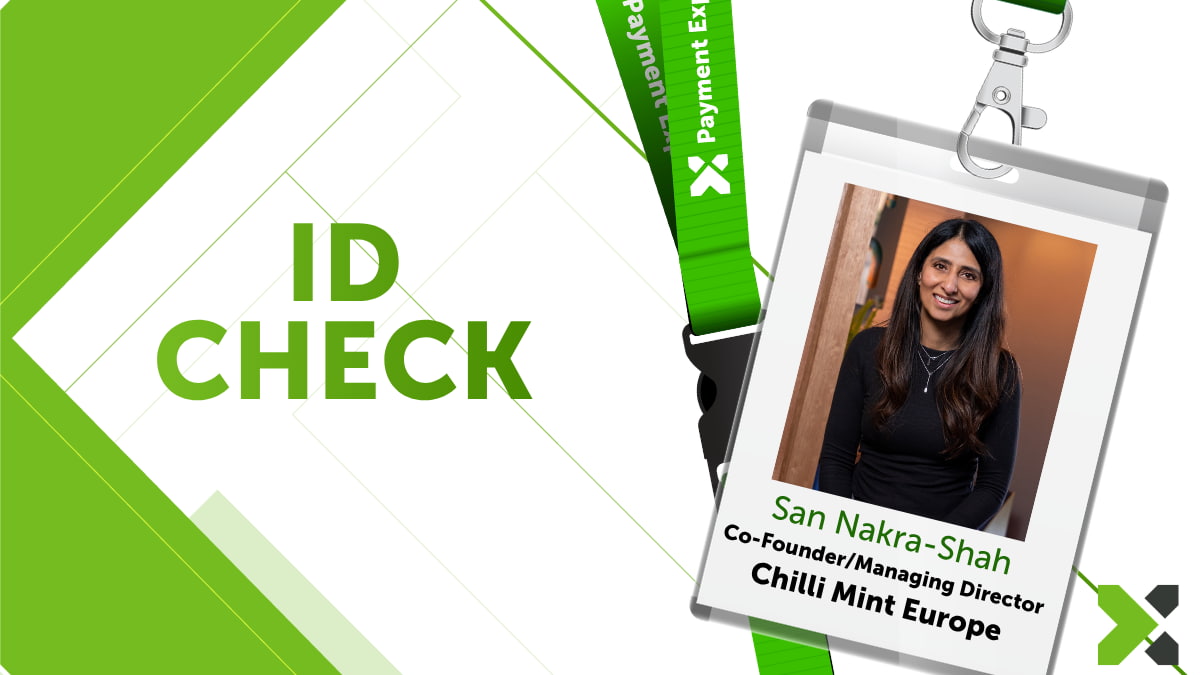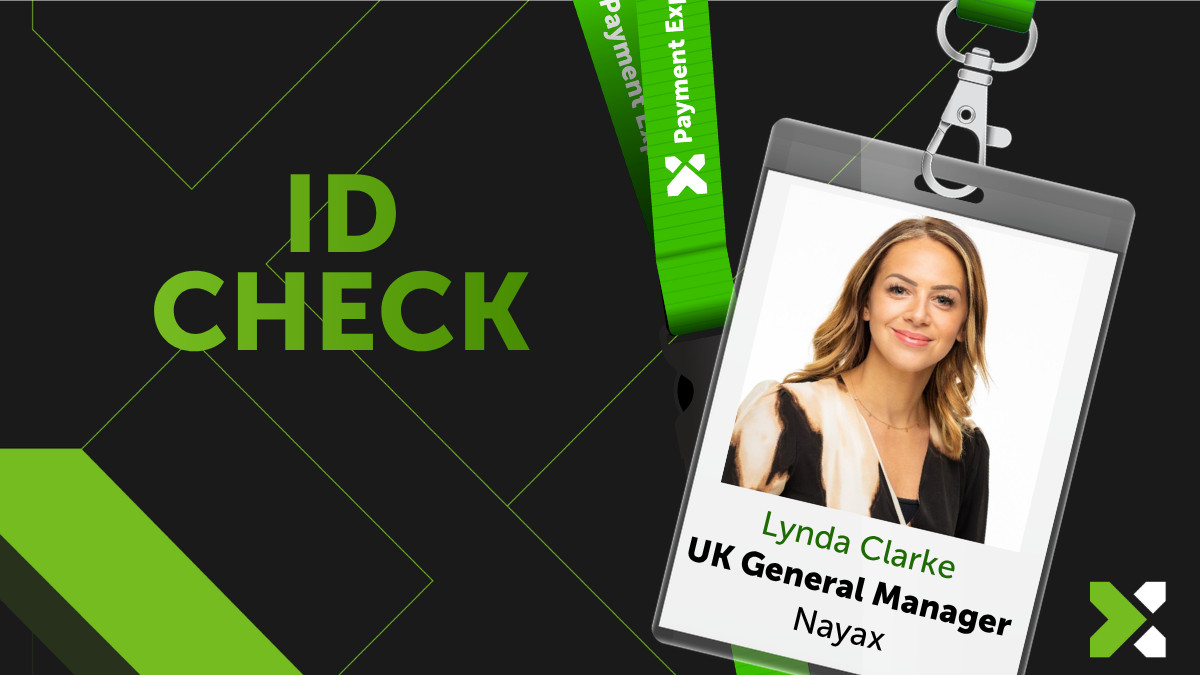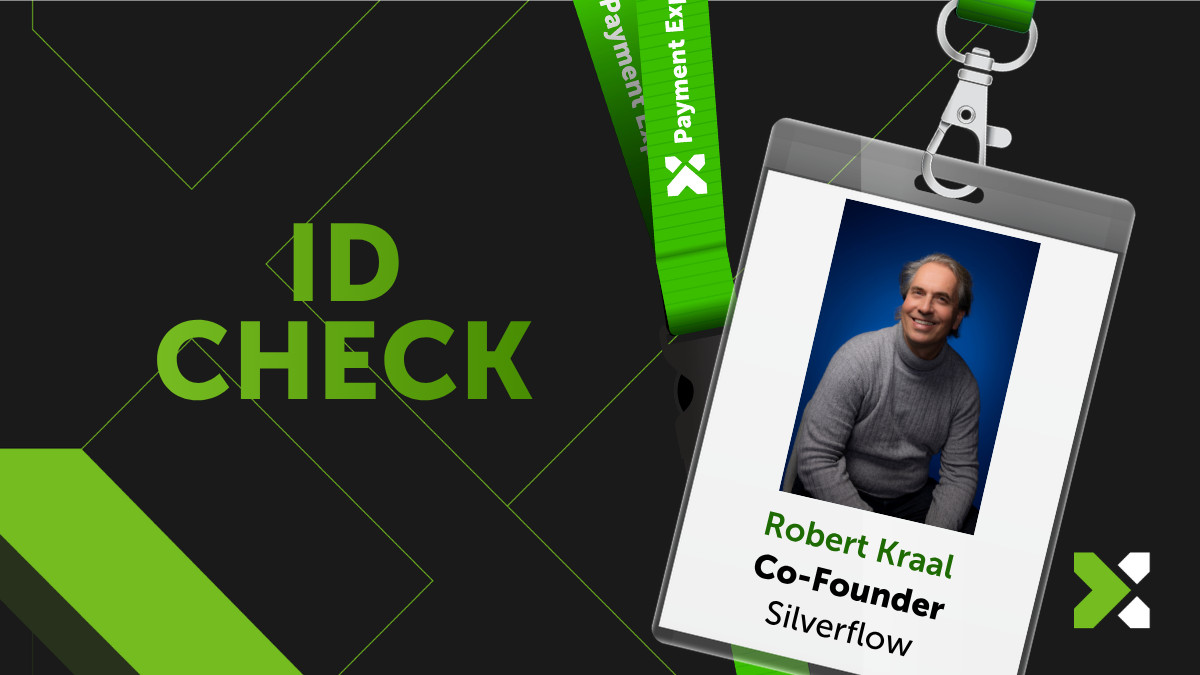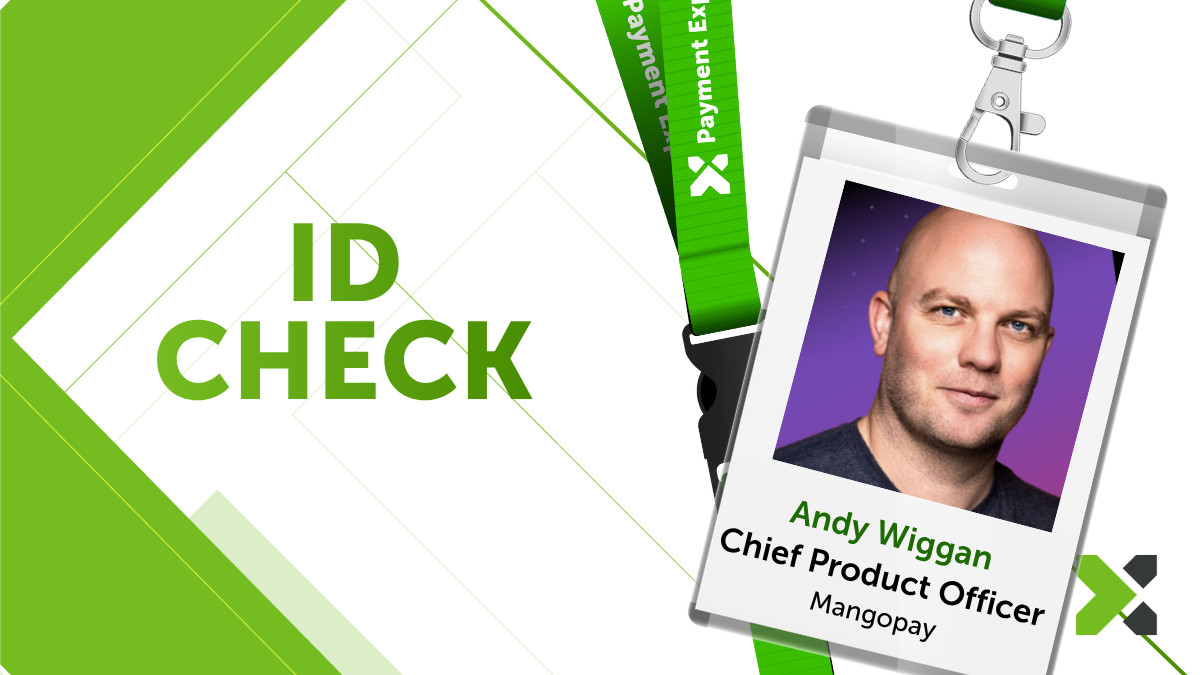
Payment Expert’s ID Check: Payments Professionals offers insight from industry leaders and experts on how they got their start in the financial industry, from their early years in education, to how they have been able to climb the corporate ladder.
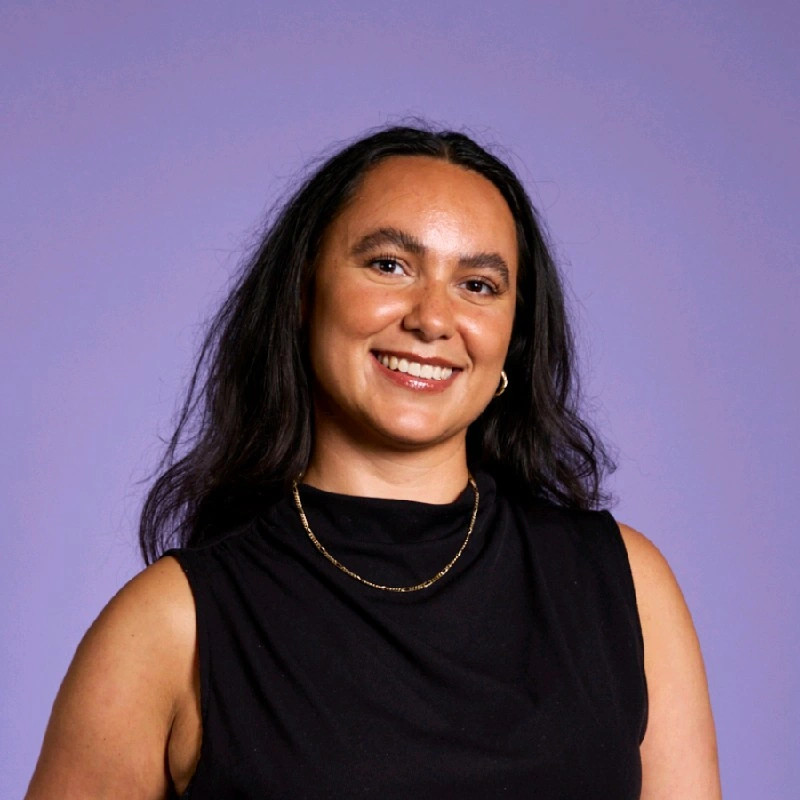
This week, Amie Kadhim, Head of Commercial at Yaspa, reveals the journey it takes to popularise a new innovation within the industry, discussing the opportunities and challenges open banking has delivered during her career.
Where did you go to university and what did you study? What impact did this have on your current journey?
Queen Mary University of London, studying English Language and Linguistics; this gave me unique insight into the power of words and the human thought and relationship with them – most fascinating was learning about other cultures and how words can impact the thought in that specific culture.
My degree was a blend of language, sociology and philosophy; with all three principles combined, there’s been no end to the use of this throughout my career. From speaking to international clients, to translating from c-suite to managing a team, it all involves language use and reading how others feel about what you are portraying.
I went on to study Law at BPP in London, which, other than teaching me I didn’t want to pursue this as a career, reinforced my love for language-use through written contracts, as well as practically applying this to understanding the complex compliance considerations with the current merchants we work with.
What first drew you to the payments industry and why have you stayed?
A chance encounter at a hen party with a Head of Sales for the largest ISO in the UK! She made it sound very interesting; complex enough to stay interested and challenged, but leaning into my commercial and sales skills so that I felt useful and empowered. I’ve stayed for the love of all of the interesting people I encounter; I always say that I love attending events because it’s great being around like-minded folks who are intelligent, share their ideas, and come from all different backgrounds.
Ultimately, payments is at the core of so many day-to-day habits – not just in first world countries, but globally. From small milestones like buying your first lottery ticket as a hopeful 16-year-old with a £1 coin, to huge ones like buying a house (can’t believe you still have to go to a bank to move money!); payments are everywhere, it’s hard to ever get bored of being in the industry and wanting to be at the forefront of innovation.
Are there any lessons from your first role in the industry which you still draw on?
To keep things simple; there are lots of complexities and nuances in payments, but ultimately, that’s not what matters to customers. They don’t care about the development effort, how long something takes to build, how complicated it is, what regulation you need to navigate, they just want to take or make simple payments.
Very early on at Yaspa, the sell was not just about our product, but open banking was so new that it came with a whole education piece. Whilst I’m glad we’ve moved past that now – as understanding and adoption of open banking has grown – it did teach me that you need to keep things clear to capture the essence of why there are benefits to what you are selling: focusing on the why, rather than the how.
When was your first big break in the industry? Why was this such a significant moment for you?
Very early on I spoke to the Astronaut Manager at Virgin – probably the coolest title of anyone I’ve ever spoken to! Open banking was too much in its infancy at the time, but I remember really trying to understand the fit and the use case in a bid to make it work.
It went nowhere, but it was significant in shaping how to think outside the box, because there are so many clever things we can do – I truly believe it’s this mentality that contributed to my first industry award (Open Banking Expo’s Women in Open Banking Rising Star Award).
I still hold that award close to my heart: my colleagues had nominated me, and it came after a year of stepping into a hybrid product/commercial role – I am definitely better at the latter, but for a brief moment it really revealed the power of drawing on skills I didn’t even know I’d built up throughout my career.
Was there a moment you faced in the industry which really challenged you? How did you overcome this?
The scariest moment was when there was a lull in open banking growth, and we were trying to weigh up whether it was ever going to work or not.
For me, it meant keeping the belief strong, the morale high, and pushing through the adversity of what was happening around us, knowing that OB just ‘made sense’ because it was a better, cleaner way to make and receive payments.
Had the product or industry thinking been archaic, we might well have been tempted to call it a day, but it did make me aware that being around the right people, be it a small startup or a huge corporation, is key to getting over the inevitable humps in business.
What are some of the skills you deem essential to starting in your industry and how have yours developed over the years?
You need thick skin and to try and find positive solutions in the face of adversity. The thick skin part wasn’t as difficult as you’d imagine; just know what you are really, really good at.
Lots of people forget that’s their power, and is usually unique to them. Once you know your power, you also know what you are bad at and can unashamedly lean on others to complement your own skills. Not only is this great for teamwork, but also to ensure you hire people who boost you, support you, and will lean into being helpful because they also like to feel needed.
A dream team isn’t about everyone having the same skills, it’s about diversity, recognition, and pulling together. Once I realised this, it created a thick skin because I didn’t feel embarrassed about what I was bad about – you can’t be good at everything, anyway!
The finding solutions part is tricky; not a lot of people warm to someone who doesn’t take no for an answer, but the key is to frame it around whatever the business focus is. Your goal is to generate revenue? Well, then how can someone deny the solution you’re putting forward?
Who was your biggest role model – inside or outside of your industry – who continues to inspire you in your current career?
It’s got to be Denise Coates doesn’t it? To be in a male-dominated industry, hold your ground, and still own the majority of the business you started – this one is probably a given. I think about Denise when I am up against loud voices who inevitably think they know better.
More personally, even if this sounds a cliche, my role model is my mum. She worked hard to support young people in care, and even when challenged, always kept her cool. She has a ‘kill them with kindness’ method, that she still uses to this day, and it still astounds me how receptive people are to it. She always said she didn’t care about being ‘too nice’, if she got the outcome she wanted, then she wins anyway!
I like to think about the strong women who came before me, how lucky I am, and how there is still much work to be done to support future women from feeling the adversity that comes with climbing the career ladder.
If you didn’t work in the industry, what other career option would you have pursued or would have loved to?
I would be an international dancer, travelling the world, looking after my body and performing on a huge stage!
Sadly, I didn’t have the commitment to pursue this, but I still very much enjoy dancing, and I always say that my role is very performative, constantly code-switching and thinking about presentation. I do get to travel the world, but in a much lazier way than if I was a dancer!
Lastly, what is some advice you would give to an aspiring person looking to get a start in your respective industry?
Take every opportunity, don’t say no to networking events, and know your power. Those three things will be enough to help you early in your career – I’ve never stopped being curious and turning up to things ‘just for an hour’ and then ended up staying for the evening whilst meeting fascinating folks that go on to become inspirational coaches or great industry friends.
It’s really easy to say ‘I’m too tired’ or ‘I can’t be bothered’ but it’s usually those events where you end up meeting your next boss, or your next client. And If nothing else, enjoy the free drinks and canapes in a cool venue. We all work hard, so enjoy the fun!